
Confused about what is the healthiest oil to cook with? You’re not alone. Marketing hype clouds the science daily. The truth? Health depends on smoke point and fat profile. We’ll rank the best oils for every cooking method today.
Plus, get expert chef tips and heart-health insights. Your kitchen deserves evidence-based choices. Let’s clear the confusion together.
TL;DR: Quick Answer
- Best overall: Avocado oil
- Best for heart: Extra virgin olive oil
- Best for high heat: Avocado oil, refined olive oil
- Worst oils: Partially hydrogenated oils, highly processed seed oils
- Key rule: Always match oil to your cooking temperature
What Makes a Cooking Oil “Healthy”?

Great question. Healthy oils share key scientific traits. First, fat composition matters most. Monounsaturated fats (MUFAs) support heart health. Polyunsaturated fats (PUFAs) include essential omega-3s. Saturated fats need moderation.
Smoke point is equally critical. Heating oil past its smoke point creates harmful compounds. This damages nutrients and flavor. Processing level affects quality too. Cold-pressed oils retain more antioxidants. The American Heart Association emphasizes balancing omega-6 and omega-3 fats. USDA guidelines recommend limiting saturated fat intake. These evidence-based standards guide our rankings.
Healthy Cooking Oil Comparison Chart
Use this quick reference table. Compare smoke points, fat types, and best uses. Find your ideal oil fast.
| Oil | Smoke Point | Fat Type | Best Use | Health Rating |
| Avocado Oil | ~520°F | MUFA | Frying, high heat | ⭐⭐⭐⭐⭐ |
| Olive Oil (Extra Virgin) | ~375°F | MUFA | Sautéing, dressings | ⭐⭐⭐⭐⭐ |
| Coconut Oil | ~350°F | Saturated | Baking, low heat | ⭐⭐⭐ |
| Canola Oil | ~400°F | PUFA | General cooking | ⭐⭐⭐ |
| Sunflower Oil | ~450°F | Omega-6 | Frying | ⭐⭐ |
Top 10 Healthiest Oils to Cook With (Ranked)
Let’s rank the top contenders. These oils balance nutrition, safety, and versatility.
1. Avocado Oil: Highest smoke point. Rich in heart-healthy MUFAs. Neutral flavor works everywhere.
2. Extra Virgin Olive Oil: Mediterranean diet gold standard. Packed with antioxidants. Best for low-medium heat.
3. Light/Refined Olive Oil: Higher smoke point than EVOO. Retains some olive benefits. Great for sautéing.
4. Coconut Oil: Contains MCTs for quick energy. Solid at room temperature. Ideal for baking.
5. Ghee: Clarified butter with high smoke point. Lactose-free. Adds rich, nutty flavor.
6. Canola Oil: Low in saturated fat. Affordable and versatile. Choose expeller-pressed when possible.
7. High-Oleic Sunflower Oil: Stable at high heat. Better omega profile than regular sunflower oil.
8. Grapeseed Oil: Light flavor, high smoke point. Contains vitamin E. Good for marinades.
9. Toasted Sesame Oil: Intense flavor for finishing. Use sparingly. Rich in antioxidants.
10. Peanut Oil: High smoke point for frying. Neutral taste. Watch for allergen concerns.
Best Oil for High-Heat Cooking & Frying
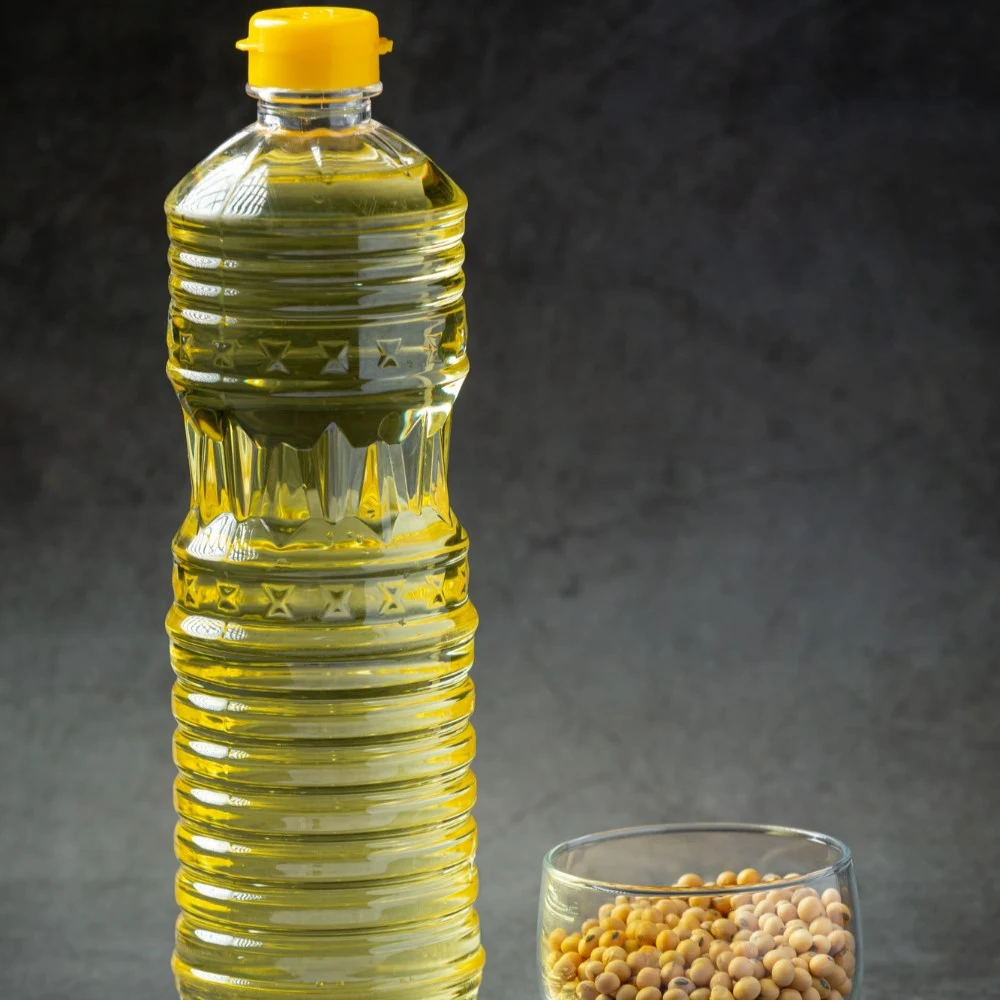
High heat demands stable oils. Avocado oil leads with a 520°F smoke point. Refined olive oil works well too. Peanut oil handles frying reliably.
Avoid low smoke point oils at high heat. Extra virgin olive oil burns at around 375°F. Burning creates acrolein and other toxic compounds. This damages both flavor and health. Chef insight: Always preheat pans properly. Add oil just before cooking. This preserves nutrients and prevents smoking.
Best Oil for Heart Health & Cholesterol
Cardiologists consistently recommend extra virgin olive oil. Its monounsaturated fats support healthy cholesterol levels. Polyphenols reduce inflammation. The Mediterranean diet proves its benefits.
Avocado oil shares similar heart-healthy properties. Both oils help maintain arterial flexibility. The American Heart Association emphasizes replacing saturated fats with MUFAs. This simple swap improves cardiovascular outcomes. For maximum benefit, use these oils raw or at low heat.
Is Canola Oil Healthy?
This question deserves nuance. Canola oil has clear pros. It’s low in saturated fat. Affordable and widely available. Contains omega-3 ALA.
But cons exist too. Most canola is highly processed. Heavy omega-6 content may promote inflammation. Choose expeller-pressed or cold-pressed versions when possible. These retain more nutrients. For everyday cooking, it’s acceptable. But prioritize olive or avocado oil when budget allows.
What Is the Healthiest Olive Oil to Cook With?
Extra virgin olive oil offers maximum nutrients. Cold-pressed extraction preserves polyphenols. Use it for dressings, dips, and low-heat cooking.
Refined olive oil handles higher temperatures better. It loses some antioxidants during processing. But it remains a healthy choice. For searing or roasting, refined olive oil performs reliably. Keep both types in your kitchen. Rotate based on cooking method.
Best Oil for Cooking Eggs, Weight Loss & Everyday Use
Eggs pair beautifully with butter or olive oil. Butter adds richness at low heat. Olive oil provides heart benefits. For weight loss, focus on portion control. Avocado oil’s neutral flavor works well. Its MUFAs promote satiety without excess calories.
Everyday cooking benefits from variety. Rotate between olive, avocado, and coconut oils. This ensures diverse nutrient intake. Store oils in dark, cool places. Light and heat degrade quality quickly.
What Is the Least Healthy Oil to Cook With?
Avoid partially hydrogenated oils completely. They contain artificial trans fats. These raise bad cholesterol and lower good cholesterol. The FDA banned them for good reason.
Highly refined vegetable oils rank poorly too. Excessive processing strips nutrients. Heavy omega-6 content may imbalance inflammation pathways. Reused frying oil creates harmful compounds. Never reuse oil more than twice. Discard if it smells off or smokes easily.
Which Cooking Oil Should I Use?
Match your oil to the cooking method. This simple table guides smart choices.
| Cooking Method | Best Oil |
| Deep-frying | Avocado oil |
| Pan-Searing | Refined olive oil |
| Sautéing | Extra virgin olive oil |
| Baking | Coconut oil or butter |
| Salad Dressings | Extra virgin olive oil |
| Finishing Dishes | Toasted sesame oil |
Pro Tip: Keep three oils on hand. Avocado for high heat. Extra virgin olive oil for low heat. Coconut for baking. This covers 95% of cooking needs.
Is Cooking Oil Healthy Overall?
Yes, when chosen wisely. Quality oils provide essential fatty acids. They help absorb fat-soluble vitamins. But moderation matters. Oils are calorie-dense. One tablespoon contains about 120 calories.
Focus on whole-food fats too. Avocados, nuts, and seeds offer nutrients oils lack. Use cooking oil as a tool, not a staple. Prioritize unrefined, cold-pressed options. Store properly to maintain freshness.
Cooking Oils Ranked by Health
Bookmark this ranked list. Use it for quick shopping reference.
- Avocado oil
- Extra virgin olive oil
- Refined olive oil
- Ghee
- High-oleic sunflower oil
- Coconut oil
- Expeller-pressed canola oil
- Grapeseed oil
- Peanut oil
- Regular sunflower oil
Memory Aid: When in doubt, choose olive or avocado. These two cover most cooking needs safely.
Common Mistakes When Choosing Cooking Oil
Avoid these frequent errors. They compromise both flavor and health.
- Using the wrong oil for the heat level: Low smoke point oils burn easily. Match oil to your cooking temperature.
- Overheating oil: Smoking oil creates harmful compounds. Watch for wisps of smoke.
- Ignoring processing type: Highly refined oils lack nutrients. Choose cold-pressed when possible.
- Reusing oil excessively: Degraded oil contains toxins. Limit reuse to twice maximum.
- Storing improperly: Light and heat spoil oils. Keep in dark, cool cabinets.
Pro Chef Tips for Safe & Healthy Cooking
These insider techniques elevate your oil usage. Implement them for better results.
- Match oil to heat level: This prevents burning and preserves nutrients.
- Store oils away from light: Dark glass bottles protect quality.
- Avoid overheating: Preheat pans properly before adding oil.
- Rotate oils for nutrient balance: Different oils offer unique benefits.
- Trust your senses: If oil smells off, discard it immediately.
Frequently Asked Questions
What is the healthiest oil to cook with?
Avocado oil and extra virgin olive oil rank highest. Avocado handles high heat best. Olive oil excels for heart health and low-heat cooking.
Which oil is best for frying?
Avocado oil due to its 520°F smoke point. It remains stable without creating harmful compounds during high-heat frying.
Is olive oil safe for high heat?
Yes, but refined versions perform better. Extra virgin olive oil works best under 375°F. Refined olive oil handles higher temperatures safely.
What oil do cardiologists recommend?
Olive oil, especially extra virgin. Its monounsaturated fats and polyphenols support cardiovascular health according to American Heart Association guidelines.
What is the worst cooking oil?
Partially hydrogenated oils containing trans fats. Also avoid heavily processed seed oils with imbalanced omega-6 content.
Conclusion
Mastering what is the healthiest oil to cook with transforms your kitchen. You now have science-backed rankings for every cooking method. Prioritize avocado and extra virgin olive oil for most needs.
Match oil to heat level to preserve nutrients and safety. Rotate varieties for balanced nutrition. Your heart and taste buds will thank you. Start with one high-quality oil today. Then expand your collection as you explore new recipes. Happy, healthy cooking!