
Figuring out exactly how to cook a turkey breast can seem daunting, especially when the holidays approach. However, mastering this specific cut of meat is a game-changer for smaller gatherings. It provides all the festive flavor without the hassle of preparing an entire bird.
When you focus on just the breast, you eliminate the constant struggle between overcooking the white meat and undercooking the dark meat. Culinary experts and professional recipe testers agree that this targeted approach yields a far superior result. With the right technique, you can guarantee a moist, flavorful centerpiece.
This guide explores the best methods, from traditional oven roasting to modern air frying. By following these expert-backed guidelines and USDA safety standards, you will avoid dry, tasteless meat forever. Let us dive into the precise times, temperatures, and methods needed for a flawless meal.
TL;DR: Quick Guide
- Safe internal temp: 165°F (74°C)
- Oven (350°F): 20 minutes per pound
- Crock-pot: 4–6 hours (low)
- Air fryer: 45–60 minutes
- Resting time: Always rest meat 10–15 minutes before slicing
Turkey Breast Cooking Time Chart
Knowing the correct time and temperature is the foundation of poultry preparation. This chart provides a quick reference for the most common cooking methods. Keep in mind that exact times will vary based on the exact weight of your meat. Always rely on a digital meat thermometer rather than just the clock.
| Cooking Method | Temperature | Estimated Time |
| Oven (bone-in) | 350°F | 20 min/lb |
| Oven (boneless) | 350°F | 18–20 min/lb |
| Crock pot | Low setting | 4–6 hours |
| Air fryer | 350°F | 45–60 minutes total |
| Roaster | 325°F | 15–20 min/lb |
How to Cook a Turkey Breast in the Oven
Learning how to cook a turkey breast in the oven is the most popular and traditional approach. This method is highly favored because it consistently delivers even cooking and a beautiful, golden-brown exterior. It is the closest you can get to a classic holiday presentation.
To begin, preheat your oven to 350°F. Pat the poultry completely dry with paper towels. Removing surface moisture is the absolute most important step if you want crispy skin. Next, generously season the meat with salt, pepper, and your preferred spices.
Place the meat on a rack inside a roasting pan. Elevating it allows the hot air to circulate underneath, preventing the bottom from becoming soggy. Roast the meat uncovered, which further aids in crisping the exterior.
You can baste the meat occasionally with the pan drippings or melted butter. However, try not to open the oven door too frequently, as this drops the internal temperature and extends the cooking time. The result is a stunning, evenly cooked roast.
Herb Roasted Turkey Breast
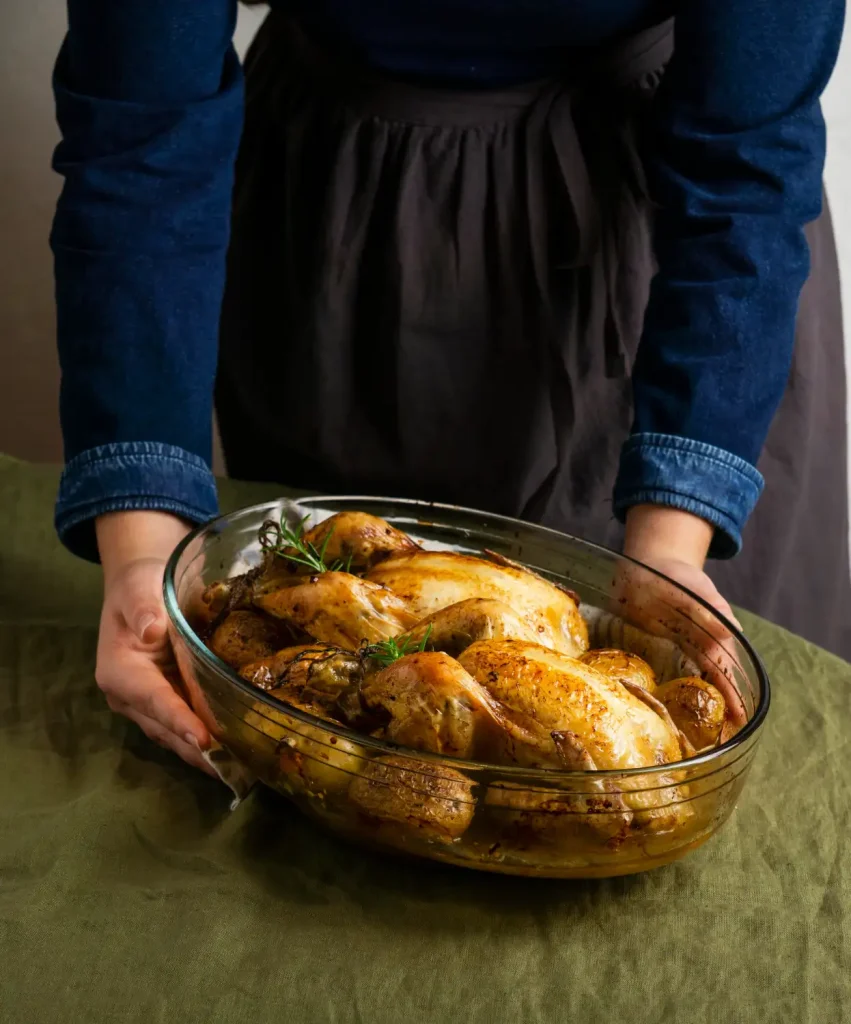
Taking your basic oven-roasted meat to the next level requires a robust flavor profile. An herb roasted turkey breast introduces aromatics that penetrate deep into the meat. The classic combination includes minced garlic, fresh rosemary, thyme, and unsalted butter.
The secret technique here is to apply the flavor directly to the meat, not just the skin. Carefully loosen the skin from the meat using your fingers, creating a pocket. Take your compounded herb butter and rub it generously underneath the skin.
This technique serves two purposes during the roasting process. First, the butter melts directly into the muscle fibers, keeping the meat incredibly moist. Second, the herbs toast slightly under the skin, releasing essential oils that perfume the entire roast.
How to Cook a Boneless Turkey Breast
For ultimate convenience, you need to know how to cook a boneless turkey breast. This cut is usually sold rolled and tied in a netting to maintain its shape. It is incredibly popular for weeknight dinners because it requires much less preparation.
Preheat your oven to 350°F and prepare the meat just as you would a bone-in cut. Because the bone has been removed, the heat penetrates the meat much faster. You can expect it to cook at a rate of 18 to 20 minutes per pound.
The primary advantage of the boneless cut is how simple it is to serve. Without a ribcage to navigate, carving becomes a breeze. You simply slice it into neat, uniform medallions that look beautiful on a serving platter.
How to Cook a Bone-In Turkey Breast
Traditionalists often prefer knowing how to cook a bone-in turkey breast. Culinary science dictates that cooking meat on the bone yields a richer, more complex flavor. The bones also act as an insulator, gently radiating heat into the meat and preventing it from drying out quickly.
To roast this cut, maintain your oven at 350°F. Because of the bone mass, you need to allow slightly more time in the oven. Plan for approximately 20 to 25 minutes per pound.
While it takes slightly longer to cook and requires a bit more skill to carve, the benefits are clear. The resulting meat is exceptionally flavorful, and you can save the leftover bones to make a rich, homemade poultry stock later.
How to Cook a Turkey Breast in a Crock Pot
Learning how to cook a turkey breast in a crock pot is a revelation for busy home cooks. This hands-off approach transforms the meat into an incredibly tender centerpiece while freeing up your entire afternoon. It is the ultimate convenience method for both holidays and standard weeknight dinners.
To achieve the best results, start by layering the bottom of your slow cooker with aromatics. Sliced onions, carrots, celery, and garlic cloves create a flavorful bed that prevents the meat from burning. It also acts as a natural roasting rack inside the ceramic pot.
Next, pour about one cup of chicken or poultry broth into the bottom of the basin. You do not want to submerge the meat entirely; the goal is to create a steamy, moist environment. Place your seasoned meat on top of the vegetables and secure the lid.
Cook the poultry on the low setting for 4 to 6 hours. High heat can cause the muscle fibers to seize and become tough, so patience is key here. The gentle, consistent heat breaks down the proteins slowly, resulting in a melt-in-your-mouth texture.
One drawback to the slow cooker is that it will not produce crispy skin. To fix this, carefully transfer the cooked meat to a foil-lined baking sheet. Place it under your oven’s broiler for about three to five minutes until the skin is golden and bubbling.
How to Cook a Turkey Breast in an Air Fryer
If speed and texture are your primary goals, you need to know how to cook a turkey breast in an air fryer. This countertop appliance uses rapid air circulation to mimic deep-frying without the excess oil. It produces the crispiest skin imaginable in a fraction of the traditional time.
First, ensure your specific cut actually fits inside your air fryer basket without touching the heating element. A bone-in cut might be too tall for smaller models, making a boneless roast the ideal candidate. Pat the skin completely dry and rub it lightly with olive oil to promote browning.
Preheat the air fryer to 350°F for a few minutes before placing the meat skin-side down in the basket. Cooking it upside down first allows the bottom to firm up while the juices render. Let it cook undisturbed for the first 20 to 25 minutes.
Carefully flip the meat skin-side up for the remaining cooking time. The total process usually takes between 45 and 60 minutes, depending on the thickness of the roast. The constant barrage of hot air ensures an even, beautiful crust that rivals any oven-roasted bird.
How to Cook a Turkey Breast in an Electric Roaster
During major holidays, oven space is prime real estate. Knowing how to cook a turkey breast in an electric roaster solves this logistical nightmare perfectly. These standalone units function exactly like a conventional oven but sit conveniently on your countertop.
Set your electric roaster to 325°F and allow it to preheat fully. Place the seasoned meat on the removable roasting rack that comes with the appliance. This ensures the meat does not sit directly on the heating element, which can cause scorching.
Cook the poultry for roughly 15 to 20 minutes per pound. Keep the lid securely on during the cooking process; opening it releases a massive amount of heat and significantly delays dinnertime. The enclosed environment retains moisture brilliantly, yielding a very juicy final product.
How to Cook a Turkey Breast in a Bag
Cooking poultry in an oven-safe plastic bag is a classic technique that guarantees an easy cleanup. More importantly, it creates a self-basting environment that locks in moisture and flavor. If you struggle with dry meat, this foolproof method is for you.
Start by adding a tablespoon of flour to the bag and shaking it around. This prevents the bag from bursting under pressure while the steam builds. Place the seasoned meat inside the bag along with a few sprigs of fresh herbs or citrus slices.
Tie the bag securely and cut a few small slits in the top to allow excess steam to vent. Roast in a 350°F oven until the internal temperature reaches the safe zone. When finished, you simply discard the bag, leaving your roasting pan completely spotless.
How to Cook a Turkey Breast Roast
A pre-packaged turkey breast roast is typically a boneless cut bound together tightly by butchers’ netting. It is designed for maximum convenience and uniform slicing. Because of its dense, compressed shape, it cooks very similarly to a standard pork or beef roast.
Place the roast in a shallow pan and bake it at 350°F. Do not remove the netting before cooking, as the meat will lose its shape and cook unevenly. You must monitor the internal temperature closely, as the compact nature of the roast can cause the center to heat slower than the exterior.
How to Cook a Turkey Breast Tenderloin
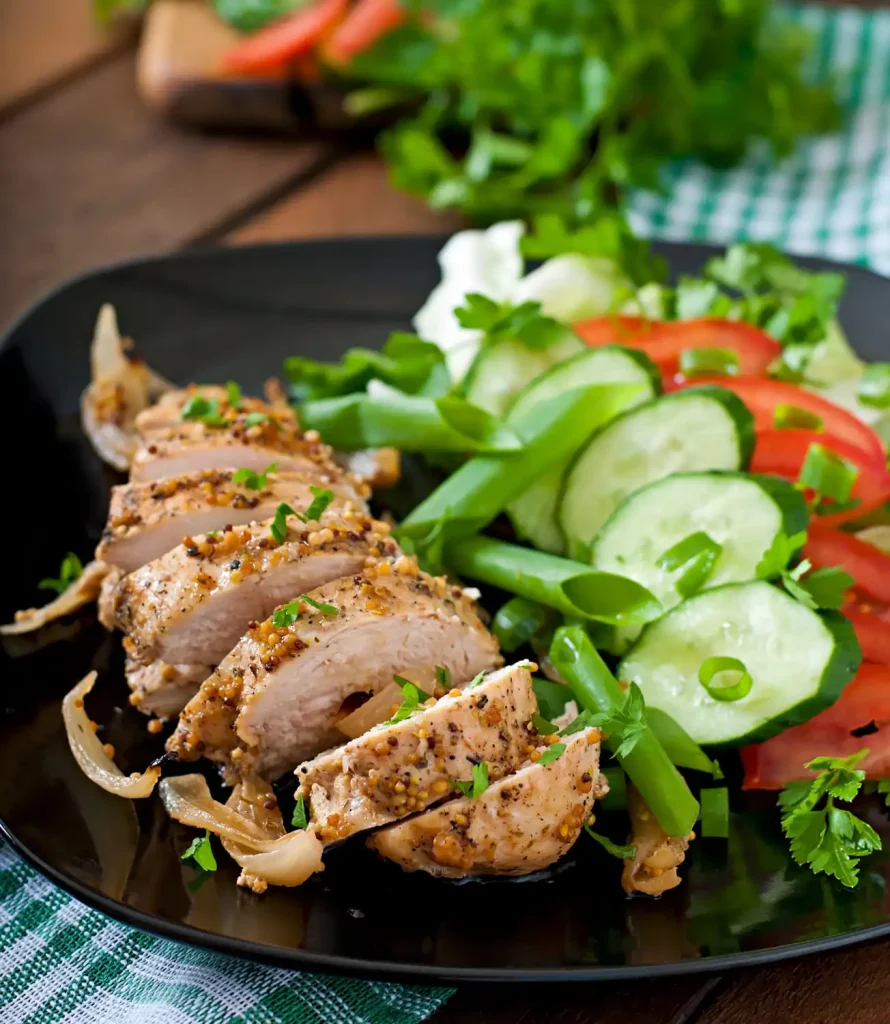
The tenderloin is the leanest, most delicate strip of meat hidden beneath the main breast muscle. Because it is so small and devoid of fat, it requires a completely different approach. High heat and a short cooking time are essential to prevent it from turning into leather.
Preheat your oven to 375°F. You can pan-sear the tenderloins in a hot skillet for two minutes per side before transferring them to the oven. This creates a quick crust that locks in the minimal juices available.
Bake the tenderloins for a brief 25 to 35 minutes. They are perfect for quick salads, sandwiches, or a protein-packed weeknight meal. Always let these delicate cuts rest before slicing to retain their natural moisture.
Thanksgiving Strategy: Timing and Preparation
Preparing this cut for Thanksgiving requires strategic timing so that all your side dishes finish simultaneously. The biggest advantage of skipping the whole bird is predictability. You can accurately estimate your serving time without the stress of an unpredictable, massive roast.
My top strategy as a culinary professional is to calculate your cooking time, add thirty minutes for resting, and work backward. The resting period is not optional; it is the time when the meat reabsorbs its boiling juices. If you slice it immediately out of the oven, those juices will flood your cutting board, leaving the meat dry.
Internal Temperature & Food Safety (Critical Section)
Food safety is non-negotiable when dealing with any type of poultry. The United States Department of Agriculture (USDA) strictly mandates that all poultry must reach a safe internal temperature of 165°F (74°C). Consuming undercooked meat poses a severe risk of foodborne illness.
You cannot rely on the color of the juices or the cooking time chart alone to determine doneness. You must use a calibrated, digital meat thermometer. Insert the probe into the thickest part of the breast muscle, ensuring it does not touch any bone, as bones conduct heat differently and give false readings.
Furthermore, always practice safe handling to prevent cross-contamination in your kitchen. Wash your hands, cutting boards, and utensils immediately after touching raw poultry. Never rinse raw meat in the sink, as this splashes invisible bacteria across your countertops.
Common Mistakes to Avoid
The most frequent error home cooks make is overcooking the meat out of fear. Poultry dries out incredibly fast once it surpasses 165°F. Pulling the meat from the heat source when it registers 160°F is a smart move, as carryover cooking will push it to the safe zone while it rests.
Another common mistake is cooking the meat straight from the refrigerator. Cold meat seizes up when it hits a hot oven, leading to tough fibers. Let the raw meat sit at room temperature for about 30 to 45 minutes before cooking to ensure even heat distribution.
Pro Chef Tips for Perfect Poultry
In my years of culinary testing, I have found that a dry brine is the ultimate secret to flavorful poultry. Salting the meat generously and leaving it uncovered in the fridge for 24 hours draws moisture out, mixes with the salt, and pulls it back into the muscle fibers.
Additionally, always slice your cooked meat against the grain. Look at the direction the muscle fibers are running and cut perpendicular to them. This shortens the fibers, making every bite significantly more tender to chew.
Frequently Asked Questions
How long do you cook a turkey breast at 350°F?
You should plan for approximately 20 minutes per pound when roasting at 350°F. However, this is only a guideline, and you must verify the final doneness with a reliable meat thermometer.
Is it better to cook turkey breast covered or uncovered?
It depends on your goal. Cooking it uncovered allows the direct heat to crisp the skin beautifully. Covering it with foil helps retain moisture but will leave the skin soft and pale.
Can you cook turkey breast in a slow cooker?
Yes, a slow cooker is an excellent method for exceptionally tender meat. Cook it on the low setting for 4 to 6 hours, ensuring you add a small amount of broth to the bottom for moisture.
How do you keep turkey breast moist?
The best ways to retain moisture are dry brining the meat beforehand, rubbing butter under the skin, and never cooking it past 165°F. Most importantly, let it rest before slicing.
What temperature should turkey breast be cooked to?
The USDA states that the only safe internal temperature for poultry is 165°F (74°C). Always check the temperature at the deepest part of the meat to guarantee safety.
Conclusion
Understanding how to cook a turkey breast opens up a world of culinary possibilities beyond the traditional November holiday. It is an approachable, manageable cut of meat that delivers high-quality protein without the overwhelming commitment of roasting a whole bird. By exploring different appliances, you can tailor the cooking process to fit your exact schedule and texture preferences.
Whether you utilize the hands-off convenience of a slow cooker, the rapid crisping power of an air fryer, or the classic reliability of your oven, the core principles remain unchanged. Temperature control and proper resting times are the undisputed keys to success. Armed with a trusted meat thermometer and the techniques outlined in this guide, you can eliminate the guesswork entirely.
Embrace these methods to ensure your poultry is safe, succulent, and bursting with flavor every single time. Stop settling for dry, uninspired holiday meals. Take control of your kitchen, apply these expert-backed strategies, and serve a centerpiece that your family and friends will truly remember.