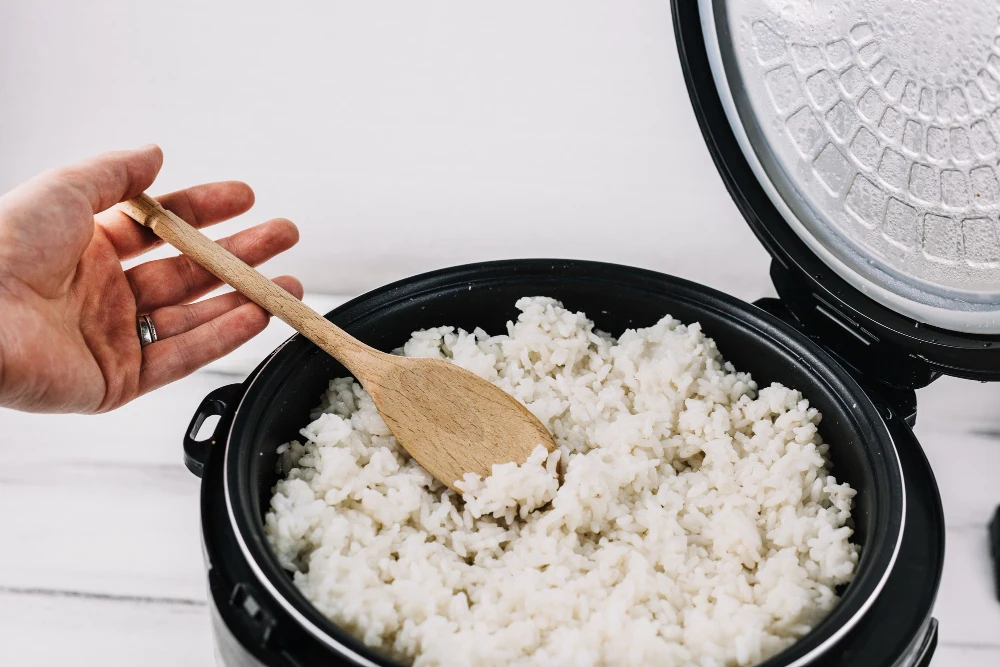
Ever struggle with rice-to-water ratio rice cooker results? Mushy grains or dry, undercooked rice frustrates everyone. Getting the ratio right transforms your meals. We’ll share exact measurements for every rice type today.
Plus, foolproof steps and pro chef tips. Your rice cooker can deliver restaurant-quality results. Let’s master this simple skill together.
TL;DR: Quick Reference
- White rice: 1 cup rice : 1–1.25 cups water
- Brown rice: 1 : 2 cups water
- Jasmine rice: 1 : 1–1.25 cups water
- Basmati rice: 1 : 1.5 cups water
- Sushi rice: 1 : 1.2 cups water
- Wild rice: 1 : 3 cups water
What Is the Rice to Water Ratio in a Rice Cooker?
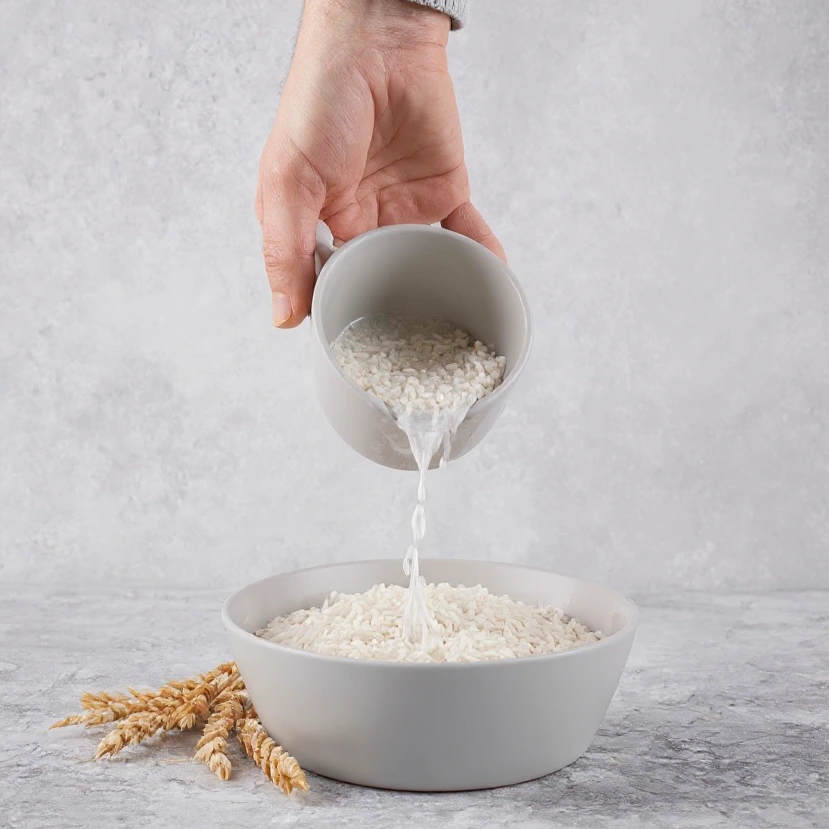
The standard rice-to-water ratio rice cooker uses 1 cup of rice to 1–2 cups of water. Exact amounts depend on rice variety. This range ensures proper absorption and texture.
Rice cookers use smart technology. They monitor temperature during cooking. Water evaporates at 100°C (212°F). The cooker senses this change. It then switches to “warm” mode automatically.
This engineering prevents burning or undercooking. Harold McGee’s On Food and Cooking explains starch gelatinization science. Proper hydration unlocks perfect texture every time.
Rice Cooker Ratio Chart
Use this quick reference table. It covers popular rice varieties. Find your grain and follow the ratio.
| Rice Type | Ratio (Rice:Water) | Expected Texture |
| White Rice | 1:1–1.25 | Fluffy, separate grains |
| Brown Rice | 1:2 | Firm, nutty chew |
| Jasmine Rice | 1:1–1.25 | Soft, aromatic, slightly sticky |
| Basmati Rice | 1:1.5 | Light, fragrant, separate |
| Sushi Rice | 1:1.2 | Sticky, cohesive |
| Wild Rice | 1:3 | Chewy, hearty |
| Arborio Rice | 1:2–2.5 | Creamy, rich |
| Sticky Rice | 1:1 | Very sticky, glutinous |
White Rice to Water Ratio Rice Cooker
White rice is the most common choice. It cooks quickly and reliably. Use this simple method for perfect results.
Ratio: 1 cup rice to 1–1.25 cups water. Start with 1:1 for firmer rice. Use a 1:1.25 ratio for a softer texture.
Steps:
- Measure rice using the cooker’s cup.
- Rinse thoroughly under cold water. This removes excess starch.
- Add water according to your ratio preference.
- Start the standard cook cycle.
- Let rice rest 10 minutes after cooking. Then fluff gently.
Brown Rice to Water Ratio Rice Cooker
Brown rice retains its nutritious bran layer. This requires more water and longer cooking. Patience yields tender, nutty results.
Ratio: 1 cup brown rice to 2 cups water.
Key Steps:
- Rinse rice well before cooking.
- Consider soaking 30 minutes beforehand. This softens the bran.
- Use the “brown rice” setting if available.
- Allow extra resting time after cooking.
Why It Works: The bran layer absorbs water slowly. Extra hydration ensures even cooking throughout. Soaking reduces cooking time slightly. It also improves digestibility.
Jasmine Rice to Water Ratio Rice Cooker
Jasmine rice offers a delicate floral aroma. It cooks quickly but needs careful water measurement. Too much water creates mushy grains.
Ratio: 1 cup jasmine rice to 1–1.25 cups water.
Pro Tips:
- Rinse gently to preserve fragrance.
- Use the lower water amount for firmer texture.
- Avoid lifting the lid during cooking. Steam escape affects results.
- Let rest 5–10 minutes before serving.
Flavor Note: Jasmine rice shines with simple pairings. Try it with stir-fries or curries. Its aroma complements Asian-inspired dishes beautifully.
Basmati Rice to Water Ratio Rice Cooker
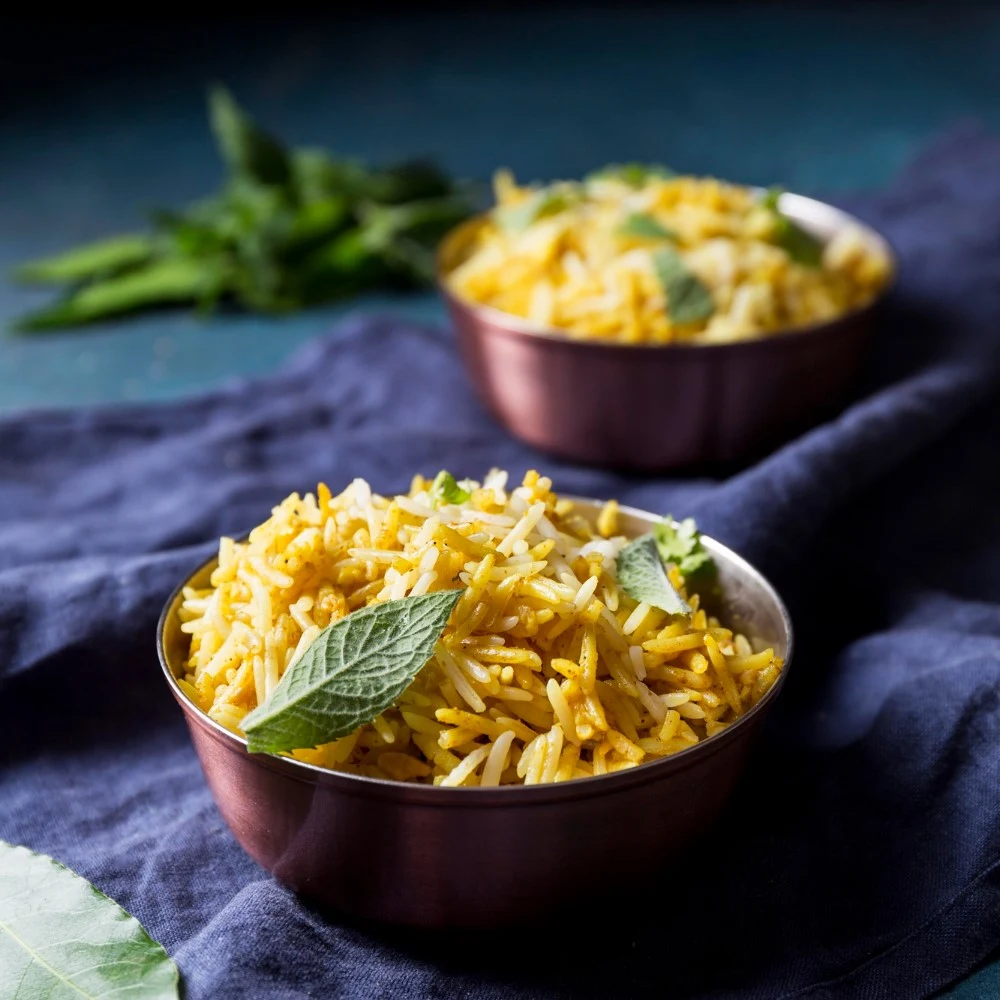
Basmati rice delivers long, fragrant grains. Proper preparation ensures light, separate results. This variety benefits from pre-soaking.
Ratio: 1 cup basmati rice to 1.5 cups water.
Best Practices:
- Rinse rice until water runs clear.
- Soak 20–30 minutes before cooking. Drain well.
- Add fresh water using the 1:1.5 ratio.
- Cook on a standard setting.
- Rest 10 minutes, then fluff with fork.
Chef Insight: Soaking elongates grains further. It also reduces cooking time slightly. This preserves basmati’s signature texture and aroma.
Sushi, Sticky & Short-Grain Rice Ratios
These varieties create cohesive, sticky textures. Perfect for sushi rolls or rice bowls. Precision matters for authentic results.
Ratio: Approximately 1 cup rice to 1.2 cups water.
Special Instructions:
- Rinse thoroughly to remove surface starch.
- Use slightly less water for firmer sushi rice.
- After cooking, season immediately with the rice vinegar mixture.
- Cool to room temperature before shaping.
Texture Science: Short-grain rice contains more amylopectin. This starch creates natural stickiness. Proper hydration activates this property without making rice gummy.
Wild Rice & Specialty Rice Ratios
These grains require unique handling. Wild rice isn’t true rice—it’s a grass seed. Arborio creates creamy risotto textures.
Wild Rice Ratio: 1 cup wild rice to 3 cups water.
Arborio Ratio: 1 cup arborio to 2–2.5 cups water.
Wild Rice Tips:
- Rinse well before cooking.
- Use the “multigrain” setting if available.
- Expect longer cooking times (45–60 minutes).
- Combine with white rice for balanced texture.
Arborio Note: For risotto-style results, add liquid gradually. Rice cookers work best for pilaf-style preparations. Stir occasionally if your cooker allows.
How Much Water for 1, 2, or 5 Cups of Rice?
Scaling ratios is simple. Just multiply both rice and water amounts. Keep the same proportion for consistent results.
Quick Examples:
- 1 cup rice: Use 1–1.5 cups water (depending on type)
- 2 cups rice: Use 2–3 cups water
- 5 cups rice: Use 5–7.5 cups water
Important Note: Always use the same measuring cup for rice and water. Rice cooker cups often differ from standard US cups. Check your manufacturer’s guidelines.
Pro Scaling Tip: For large batches, add water slightly conservatively. You can always add more if needed. But you can’t remove excess water once cooking starts.
How to Cook Rice in a Rice Cooker
Follow these universal steps for any rice variety. This method ensures consistent, perfect results every time.
- Measure rice using the cup provided with your cooker.
- Rinse thoroughly under cold water until it runs clear.
- Drain well to avoid diluting your water ratio.
- Add water according to the specific ratio for your rice type.
- Start the cooker on the appropriate setting.
- Let rest 10 minutes after the cycle completes.
- Fluff gently with a fork before serving.
Common Rice Cooker Mistakes
Avoid these frequent errors. They cause mushy, dry, or unevenly cooked rice.
- Skipping the rinse: Excess starch creates a gummy texture. Always rinse first.
- Wrong water ratio: Guessing leads to inconsistent results. Use the chart.
- Opening the lid early: Steam escape disrupts cooking. Wait for the cycle to finish.
- Skipping rest time: Moisture needs to redistribute. Resting prevents wet spots.
- Using old rice: Aged grains absorb water differently. Check expiration dates.
Pro Tips for Perfect Rice Every Time
These insider techniques elevate your rice game. Implement them for restaurant-quality results at home.
- Use the finger trick: Place fingertip on rice surface. Add water to the first knuckle’s depth.
- Let rice rest: Always wait 10 minutes after cooking. This ensures even texture.
- Fluff with fork: Spoons crush grains. Forks separate them gently.
- Add flavor boosters: Try a pinch of salt or teaspoon of oil with water.
- Keep lid closed: Resist peeking during cooking. Trust the process.
Rice Cooker Water Ratio Guide
Bookmark this cheat sheet. Use it for quick ratio checks anytime.
- White rice: 1:1 to 1:1.25
- Brown rice: 1:2
- Jasmine/Basmati: 1:1 to 1:1.5
- Sushi/Sticky: 1:1.2
- Wild rice: 1:3
- Arborio: 1:2 to 1:2.5
Memory Aid: When in doubt, start with less water. You can add more next time if rice is too firm. But you can’t fix mushy rice after cooking.
Frequently Asked Questions
What is the ratio of rice to water in a rice cooker?
The standard ratio ranges from 1:1 to 1:2. Exact amounts depend on rice variety. White rice uses less water. Brown and wild rice need more.
How much water do I use for 2 cups of rice?
Use 2–4 cups water total. Follow the specific ratio for your rice type. White rice needs 2–2.5 cups. Brown rice needs 4 cups.
Is rice always a 1:1 ratio for water?
No. Only some varieties like sticky rice use 1:1. Most types require more water for proper hydration and texture.
Why is my rice mushy?
Too much water causes mushiness. Also check if you rinsed the rice. Excess starch can create a gummy texture even with correct ratios.
Why is my rice hard or crunchy?
Insufficient water or undercooking causes hard rice. Ensure you use the correct ratio. Let rice rest after cooking for even hydration.
Conclusion
Mastering the rice to water ratio in a rice cooker transforms your everyday meals. You now have exact measurements for every rice type. Follow the chart, rinse your grains, and trust the resting time.
Your rice cooker delivers perfect results with simple precision. Start with white rice using the 1:1.25 ratio. Then experiment with other varieties. Happy cooking!