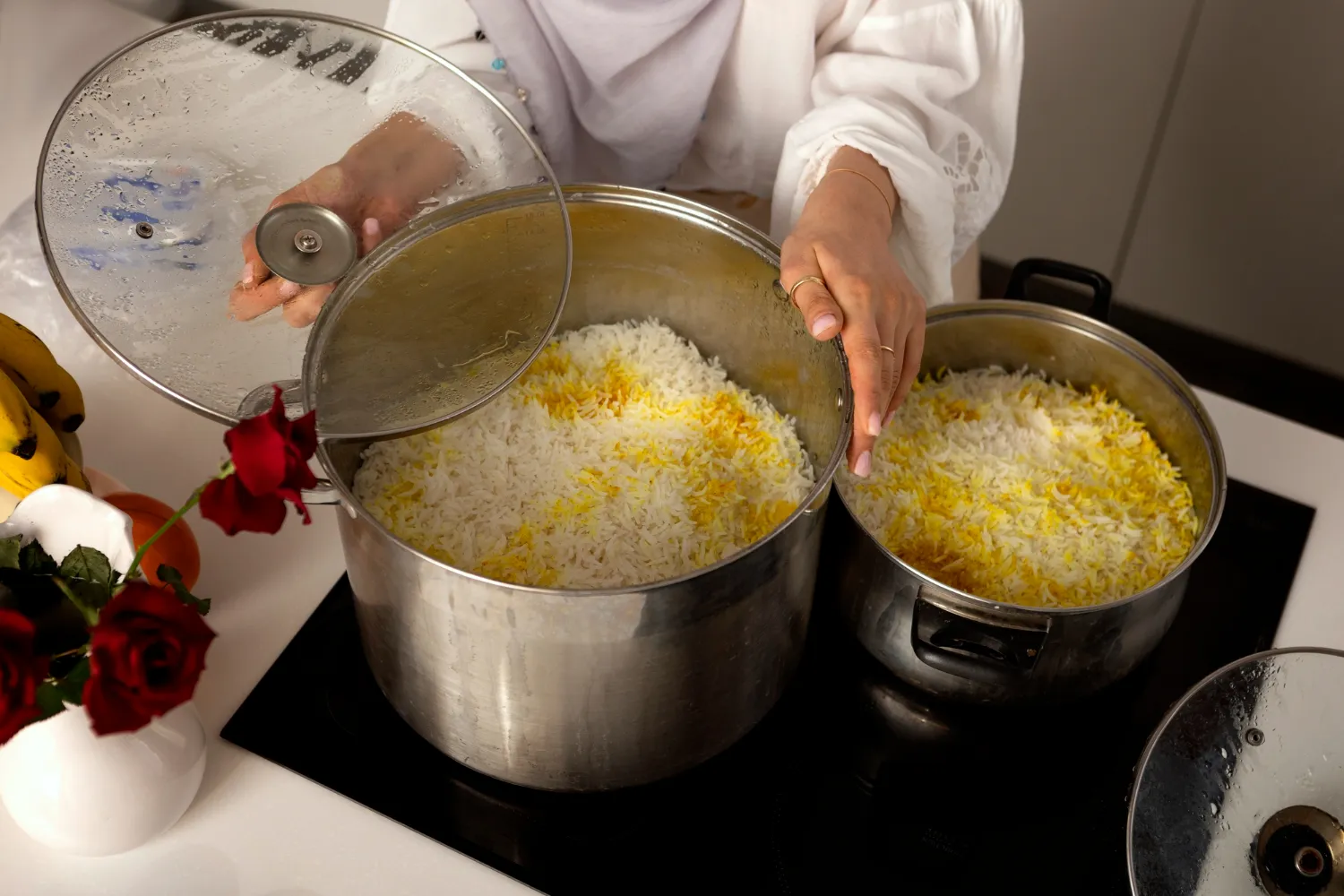
Are you tired of standing over a hot stove watching a simmering pot? Learning exactly how to cook rice in microwave is a total game-changer for your kitchen routine. Many home cooks struggle with mushy or burnt grains when using traditional stovetop methods.
However, your standard kitchen appliance is actually an incredibly precise tool for steaming grains. By understanding basic heat transfer, you can achieve restaurant-quality results in just minutes.
As a professional chef and appliance specialist, I rely on this method for rapid meal prep. You do not need an expensive specialty machine to get fluffy, perfect results.
In this comprehensive guide, we will explore the exact ratios and simple techniques required. You will quickly master the foolproof way to prepare this staple dish perfectly every single time.
TL;DR: Quick Overview
- Standard Ratio: 1 cup rice to exactly 2 cups water.
- Cooking Time: 10 to 15 minutes plus a mandatory resting period.
- Best Method: Use a covered microwave-safe glass bowl or specialized steamer.
- Versatility: Works perfectly for a 1-person meal, 2-person dinner, or weekly prep.
- Crucial Rule: Always let the dish rest for 5 minutes after heating to absorb steam.
Can You Really Cook Rice in a Microwave?
Yes, you can absolutely create perfect, fluffy grains using only this standard household appliance. Many people mistakenly believe that microwaving leads to hard, unevenly cooked, or sticky food.
However, from a culinary science perspective, the process is incredibly efficient and effective. The appliance rapidly heats the water molecules present in the bowl, creating intense steam.
This steam gently cooks the starch within the grains, prompting a process called gelatinization. This starch gelatinization typically occurs optimally between 70°C and 80°C.
Because the heat distribution is consistent in a covered container, the steam cooks everything perfectly evenly. You simply need to provide the right environment for this steaming process to occur naturally.
Best Rice-to-Water Ratio for Microwave Rice
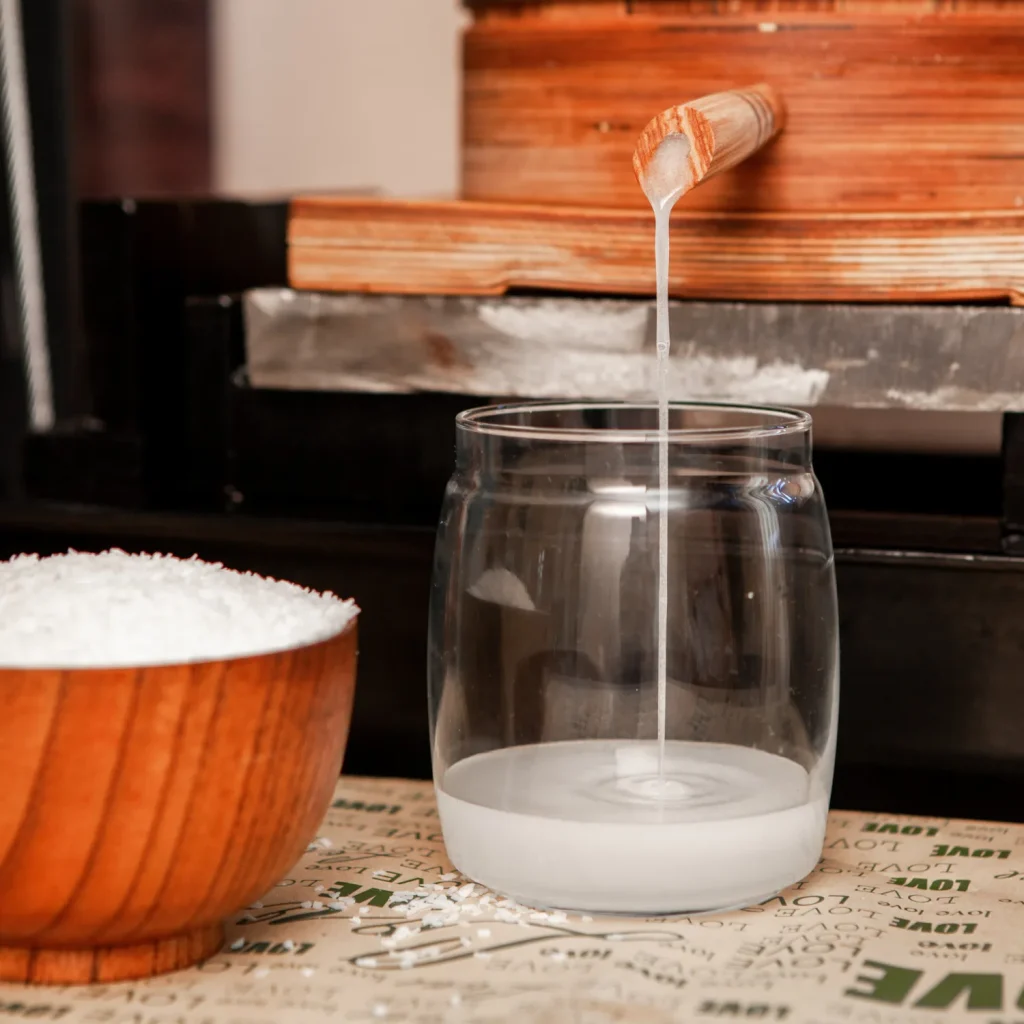
The secret to absolutely perfect texture lies entirely in your liquid measurements. If you use too much liquid, you will end up with a soggy, unappetizing porridge.
If you use too little liquid, the grains will remain hard, crunchy, and undercooked. The golden standard ratio for basic long-grain white rice is 1 cup of grains to 2 cups of water.
This standard 1:2 ratio provides just enough moisture for full steam absorption without excess pooling. If you are preparing brown rice, you need a slightly higher 1:2.5 or 1:3 ratio.
As a pro tip, soaking your grains in cold water for 10 to 15 minutes beforehand drastically improves the final texture.
How to Cook Rice in Microwave Step by Step (Core Method)
Mastering this core method will save you countless hours during your weekly meal preparation. The steps are incredibly straightforward but must be followed precisely for the best results.
First, you must rinse your measured grains thoroughly under cold running water in a fine mesh strainer. Rinsing removes the excess surface starch that causes the grains to clump together tightly.
Next, add the rinsed grains and fresh water to a deep, microwave-safe glass or ceramic bowl. Cover the bowl loosely with a microwave-safe plate or a vented silicone lid to trap the steam.
Microwave on high power for roughly 10 to 12 minutes, depending on your appliance’s specific wattage. Finally, you must let the bowl rest undisturbed inside the appliance for a full 5 minutes.
This crucial resting period allows the residual steam to finish the delicate cooking process. Afterward, simply remove the lid carefully and fluff the grains gently with a fork before serving.
How to Cook Rice in Microwave for 1 Person
Cooking a massive batch of food for a single meal is often highly impractical. Fortunately, this method scales down beautifully for quick, single-serving weekday lunches or dinners. For a perfectly portioned single serving, measure out exactly ½ cup of dry grains. Combine this with 1 full cup of fresh water in a medium-sized bowl.
Because the volume is much smaller, the heating time is significantly reduced. You only need to run the appliance on high for about 8 to 10 minutes. Always remember to include the mandatory resting phase to ensure the texture is appropriately light and airy.
How to Cook Rice in Microwave for 2 People
If you are preparing a romantic dinner or simply want leftovers, scaling up is very easy. The portions remain simple, utilizing the standard ratio for consistent culinary results.
Simply measure out 1 full cup of dry grains and combine it with 2 cups of water. You must use a significantly larger, deeper bowl to prevent the starchy liquid from bubbling over.
Set your appliance to high power and cook for approximately 10 to 15 minutes. The increased volume requires a few extra minutes for the water to reach a rolling boil. Do not rush the resting phase; it is essential for the larger batch to absorb all remaining moisture.
How to Cook Rice in Microwave Without Lid
Sometimes you may find yourself without a proper fitting lid or a safe silicone cover. You can still achieve great results, but you must be slightly more careful with your technique.
To cook without a traditional lid, simply place a large, microwave-safe ceramic plate over your bowl. Alternatively, you can use microwave-safe plastic wrap, but you must poke several vent holes in the top.
These vents allow excess pressure to escape, preventing the plastic from bursting or melting into your food. Warning: Cooking completely uncovered is highly discouraged by professional appliance technicians. An uncovered bowl allows too much steam to escape, resulting in dry, hard, and unevenly cooked food.
How to Cook Rice in Microwave Rice Cooker / Steamer
Specialized plastic steamers are brilliant inventions designed specifically for this exact cooking method. Brands like Sistema produce dedicated cookers that make the entire process completely foolproof.
These clever tools feature a built-in pressure chamber and a vented lid to control steam release perfectly. To use one, simply add your rinsed grains and water directly into the main plastic chamber.
Lock the specialized lid into place, ensuring the top vents are open to allow pressure release. Run the appliance on high for 10 to 15 minutes, depending on the grain variety. Always wait a few minutes before unlocking the lid, as the trapped steam will be incredibly hot.
How to Cook Rice in Microwave Tupperware or Plastic Containers
Many home cooks wonder if standard plastic storage containers are safe for this cooking technique. You can use them, but you must adhere strictly to established safety guidelines to protect your health.
You must only use containers explicitly labeled as microwave-safe and completely BPA-free by the manufacturer. Avoid using thin, cheap takeout containers, as they can easily warp or melt under intense heat.
The cooking method remains exactly the same, utilizing the standard 1:2 ratio of grains to liquid. Make sure to leave the container’s lid slightly cracked open to allow crucial steam to vent safely.
How to Cook Rice in Microwave Without Rice Cooker
You absolutely do not need a specialized plastic gadget to achieve perfect, restaurant-quality results. A standard deep glass mixing bowl or a heavy ceramic casserole dish works exceptionally well.
The most important factor is the depth of the vessel you choose to use. The bowl must be large enough to accommodate the water rapidly boiling without spilling over the sides.
Cover the top of the bowl with a heavy plate to trap the steam effectively. Avoid using shallow dishes entirely, as they guarantee a messy, sticky boil-over in your appliance.
How to Cook Rice in Microwave Oven (Clarification Section)
There is sometimes slight confusion regarding the terminology used for these specific kitchen appliances. When recipes refer to a “microwave oven,” they are simply referring to your standard countertop microwave.
This process does not involve traditional oven baking, roasting, or using dry, radiant heat elements. The appliance uses electromagnetic waves to excite water molecules, generating the necessary steam for cooking. Therefore, you can follow all standard microwaving instructions without needing a specialized convection oven setting.
How to Cook Rice in Microwave Indian Style
You can easily elevate plain white grains into a highly aromatic, flavorful side dish. Preparing this dish Indian style requires just a few simple additions before you start the heating process.
Before cooking, add a generous pinch of salt and a spoonful of rich ghee to the water. You can also drop in a few whole cumin seeds, a bay leaf, and a couple of cardamom pods.
As the water boils, the spices release their essential oils directly into the expanding grains. The result is a beautifully fragrant, basmati-style dish that pairs perfectly with rich curries and stews.
How to Cook Rice in Microwave Fast (Quick Method)
If you are exceptionally short on time, you can accelerate the process slightly with preparation. The absolute fastest method requires you to pre-soak your grains earlier in the day.
If the grains have soaked for at least an hour, they have already absorbed significant internal moisture. Because of this, you can reduce the cooking time on high power to just 8 to 10 minutes. You must still observe the immediate resting phase, but the overall active cooking time drops significantly.
Microwave Rice Cooker vs Bowl Method
Choosing between a specialized cooker and a standard bowl depends entirely on your kitchen habits. Both methods produce excellent food, but they offer slightly different user experiences.
| Method | Ease of Use | Texture Result | Safety Level |
| Glass Bowl | Medium | Good | High |
| Specialty Cooker | Easy | Excellent | High |
| Plastic Container | Easy | Good | Medium |
Common Mistakes to Avoid
Even with a simple method, small errors can ruin the final texture of your meal. The most frequent mistake beginners make is failing to thoroughly rinse the grains before cooking.
Skipping this step leaves heavy surface starch, resulting in a sticky, glue-like final product. Another major error is using the wrong water ratio or completely overfilling the cooking container.
Furthermore, impatiently skipping the final resting time guarantees that the grains will remain slightly hard in the center. Finally, never use flimsy, non-microwave-safe plastics, as they pose a severe chemical safety hazard.
How to Cook Perfect Microwave Rice (Pro Chef Tips)
To truly elevate your kitchen skills, incorporate a few secrets used by professional chefs. First, always respect the resting period; it is the most critical step for achieving a fluffy texture.
Secondly, opt for high-quality, long-grain varieties like Jasmine or Basmati for the most distinct, separated grains. If you struggle with stickiness, add a single teaspoon of olive oil or butter before cooking.
The fat lightly coats the grains, physically preventing them from clumping together during the boiling phase. Most importantly, never stir the bowl halfway through the cooking process, as this breaks the delicate grains.
Microwave Rice Variations
This highly adaptable technique works for several different varieties of popular grains. Standard white long-grain is the easiest and most forgiving option for absolute beginners.
Fragrant jasmine varieties require the exact same timing but offer a beautiful floral aroma. Basmati is perfect for savory dishes and cooks beautifully using the standard ratios provided above.
If you choose healthy brown varieties, remember that the thick bran layer requires significantly more water and longer heating.
Jamie Oliver Microwave Rice Method (Authority Mention)
Many famous culinary figures have openly embraced the sheer convenience of modern appliance cooking. The renowned chef Jamie Oliver frequently advocates for simplified, highly practical home cooking techniques.
His approach emphasizes utilizing whatever tools you have available to make healthy, fast meals from scratch. Adapting traditional stovetop recipes to rapid, appliance-based methods perfectly aligns with his practical culinary philosophy. It proves that prioritizing speed and convenience does not mean you have to sacrifice delicious, quality food.
Frequently Asked Questions
How long does the cooking process take?
It generally takes between 10 and 15 minutes of active heating time, depending entirely on the portion size. However, you must always add an extra 5 minutes for the mandatory resting phase.
Is it possible to cook it without a lid?
Yes, it is possible, but you must cover the bowl with a heavy plate to trap the necessary steam. Cooking completely uncovered will result in a dry, hard, and unappetizing mess.
What is the absolute best water ratio?
For standard long-grain white varieties, the universally accepted ratio is 1 cup of grains to 2 cups of water. This specific measurement provides the perfect amount of moisture for optimal steam absorption.
Is this preparation method actually safe?
Yes, it is completely safe as long as the food is fully heated and proper equipment is used. You must always ensure you are using strictly BPA-free, certified microwave-safe containers to avoid chemical leaching.
Why is my final product still hard and crunchy?
Hard grains usually mean you did not use enough liquid or you skipped the mandatory resting time. The resting phase is absolutely crucial for the internal starches to finish their gelatinization process.
Conclusion
Mastering how to prepare this staple grain using your standard countertop appliance will completely transform your daily meal preparation routine. You no longer need to monitor a boiling pot on the stove or invest in bulky specialty cookers. By simply understanding the fundamental principles of steam and starch, you can achieve consistently flawless results every single time.
The core secret lies entirely in respecting the correct ratios and honoring the mandatory resting period. This brief resting phase allows the trapped steam to gently finish the gelatinization process, ensuring a light and fluffy texture. Whether you are quickly preparing a single serving for a busy weekday lunch or making a large batch for family dinners, this method is highly adaptable.
It provides an incredibly convenient, foolproof solution for modern home cooks of all skill levels. Remember to always prioritize safety by selecting proper microwave-safe, BPA-free containers to protect your health. Embrace these professional kitchen techniques and simple appliance hacks to elevate your cooking efficiency.
You will save valuable time while enjoying delicious, perfectly cooked grains alongside your favorite stir-fries, curries, and roasted vegetables. Enjoy your wonderful culinary journey and your newly discovered, fantastic kitchen convenience today and always!