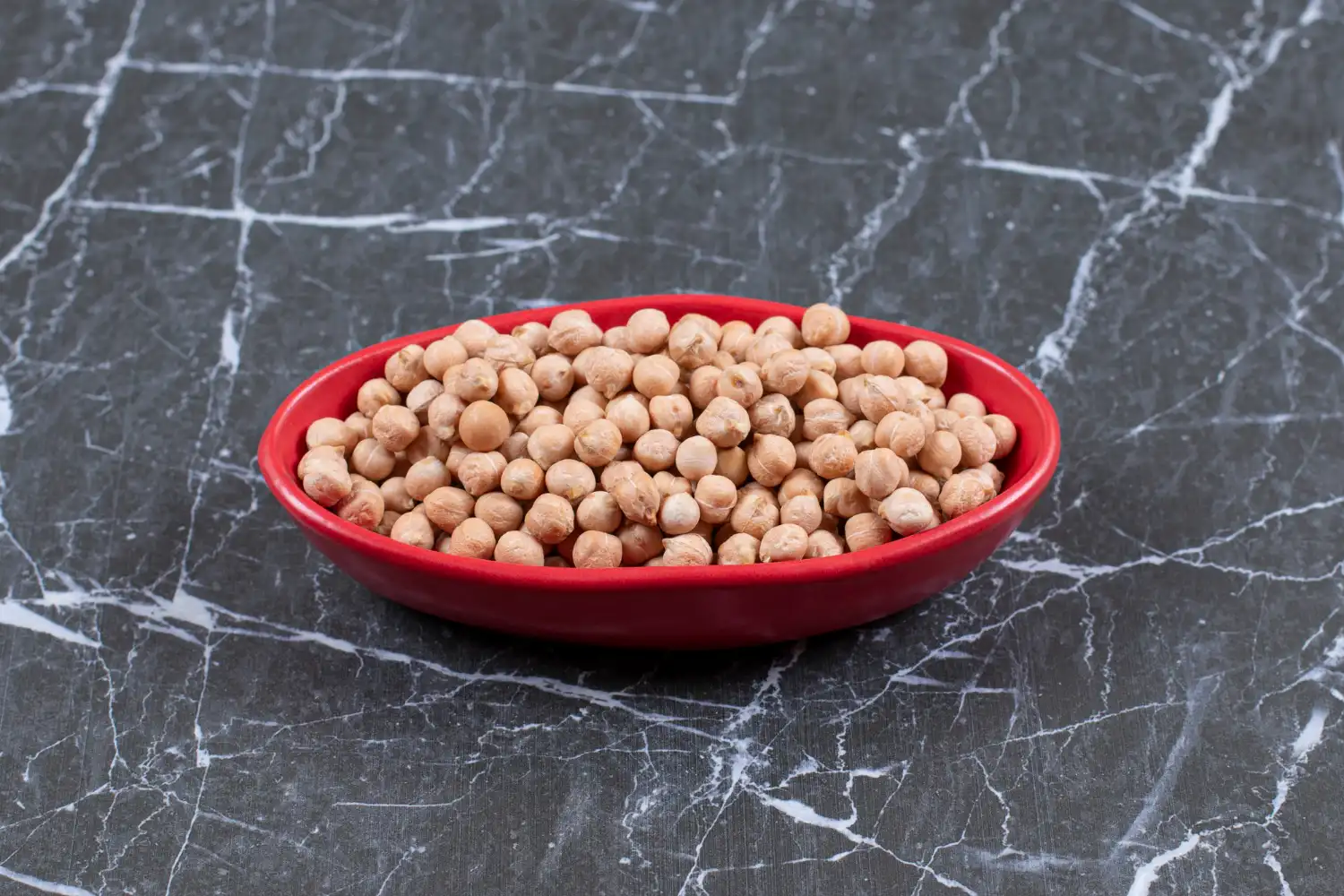
Chickpeas, also widely known as garbanzo beans, serve as a fundamental pillar in global cuisines due to their incredible versatility and high protein content. Learning how to cook chickpeas correctly allows you to bypass the mushy or overly metallic taste of subpar commercial products while saving money on your monthly grocery bill.
Whether you are aiming for the silky smoothness of authentic hummus or the satisfying crunch of a roasted snack, mastering the hydration and heat levels is critical.
This comprehensive guide combines culinary science with practical appliance engineering to ensure your legumes achieve the perfect “al dente” texture. From traditional overnight soaking to rapid pressure cooking techniques, we will explore every method to help you integrate this nutritious staple into your daily meal rotation with total confidence.
TL;DR: Quick Overview
- Dried Chickpeas: Soak for 8–12 hours, then simmer on the stove for 60–90 minutes.
- Instant Pot Method: Cook on high pressure for 35–40 minutes (no soaking required).
- Canned Convenience: Drain, rinse, and heat for 3–5 minutes for instant use.
- Ideal Ratio: Use 3 cups of water for every 1 cup of dried chickpeas to ensure full hydration.
- Perfect Texture: They are finished when they can be easily smashed between two fingers but still hold their shape.
What Are Chickpeas?
Chickpeas are a type of legume belonging to the Fabaceae family, recognized globally for their round shape and slightly nutty flavor. In the United States, the most common variety is the “Kabuli,” which features a larger, creamier seed with a thin skin.
These legumes are a nutritional powerhouse, packed with plant-based protein, dietary fiber, and essential minerals like iron and magnesium. Because of their dense structure, they are shelf-stable for years when dried, making them a pantry essential for emergency preparedness and budget-conscious cooking.
In culinary applications, they act as a “chameleon” ingredient, taking on the flavors of whatever spices or sauces they are cooked with. From the Mediterranean to South Asia, they form the backbone of iconic dishes like falafel, chana masala, and traditional salads.
Why Cooking Chickpeas at Home is Important
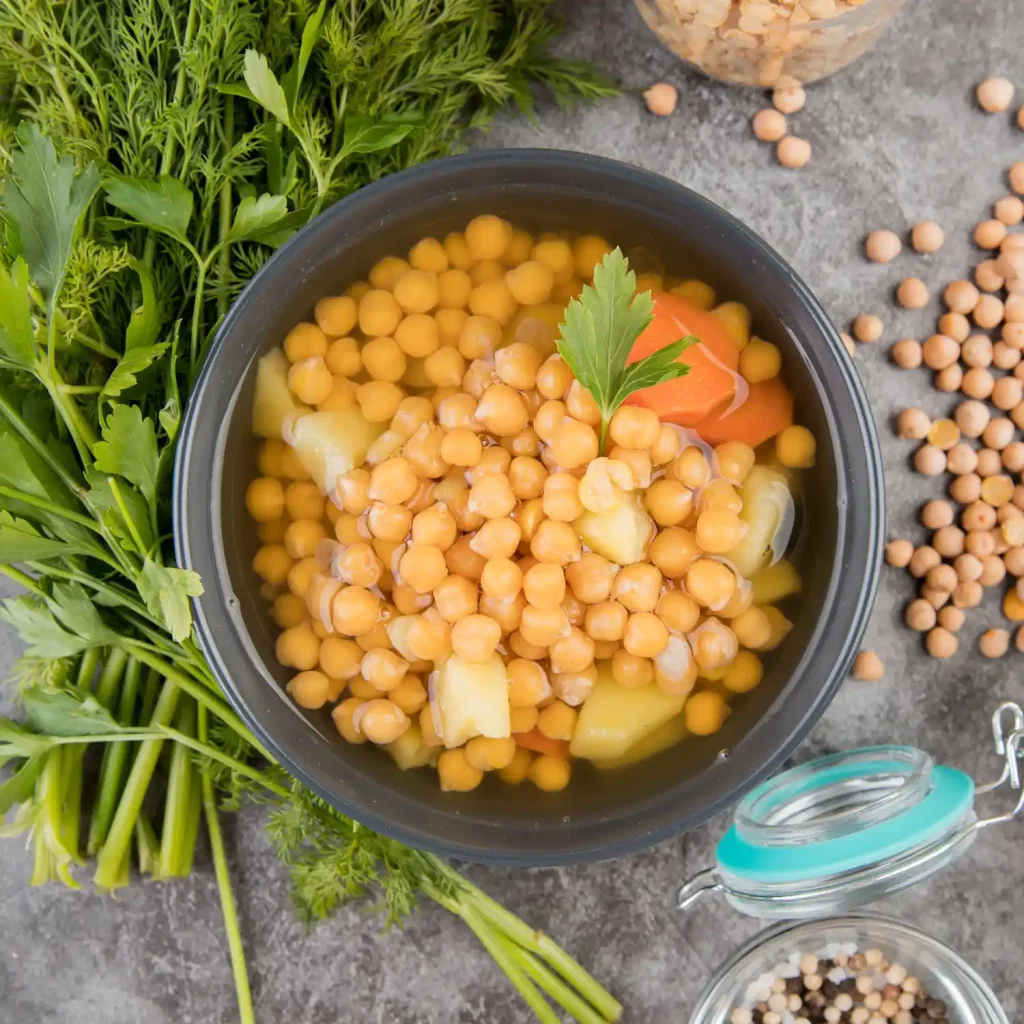
While canned versions are undeniably convenient, preparing them from scratch offers a superior culinary experience and better control over your health. Commercially canned beans often contain excessive sodium and preservatives that can mask the natural, earthy sweetness of the legume.
When you manage the cooking process, you can control the final texture to suit the specific dish you are making. For example, you might want a firmer bean for a cold summer salad but a much softer, over-hydrated bean for creamy hummus.
From an economic perspective, buying dried legumes in bulk is significantly cheaper than purchasing individual cans. Furthermore, home-cooked beans lack the metallic aftertaste sometimes found in canned varieties, providing a much cleaner canvas for your favorite seasonings and aromatics.
Essential Basics: The Perfect Chickpea Water Ratio
Achieving the correct hydration level is the most critical factor in successful legume preparation. Unlike grains, which absorb almost all their liquid, legumes need to be submerged in a generous amount of water to ensure even heat distribution.
For most stovetop and pressure-cooking methods, the standard ratio is 3 cups of water for every 1 cup of dried chickpeas. This provides enough liquid for the beans to expand to nearly double their original size without the risk of the pot boiling dry.
If you are cooking a large batch for meal prep, it is always safer to overestimate the water. Excess liquid can simply be drained away or, better yet, saved as “aquafaba” or a flavorful broth for future soups and stews.
Preparing Legumes from Scratch: The Dry Method
Cooking dried chickpeas from scratch is a rewarding process that rewards patience with exceptional texture and flavor. This section covers the traditional stovetop approach, which remains the gold standard for many professional chefs due to the ability to monitor the beans as they soften.
The Importance of the Long Soak
Soaking is not just a tradition; it is a scientific necessity for the best texture and digestibility. An overnight soak (8 to 12 hours) allows water to penetrate the dense cellular walls of the bean slowly. This pre-hydration shortens the active cooking time and helps break down the complex sugars that often cause digestive discomfort.
To perform a long soak, place your dried chickpeas in a large bowl and cover them with at least three inches of cold water. Leave them at room temperature, or in the refrigerator if your kitchen is particularly warm, until they have doubled in size and look plump.
The Quick-Soak Alternative
If you forgot to start the process the night before, you can utilize the “Quick Soak” method. Place the dried beans in a pot, cover with water, and bring to a rolling boil for two minutes. Remove from the heat, cover the pot, and let them sit for one hour before proceeding to the cooking stage.
The Simmering Process
Once soaked, drain and rinse the chickpeas thoroughly under cold running water. Place them in a large heavy-bottomed pot and add fresh water and a pinch of salt. Bring the water to a boil, then immediately reduce the heat to a gentle, steady simmer.
Active boiling can cause the skins to rupture and fall off, resulting in a messy presentation. Keep the heat low and simmer for 60 to 90 minutes. Start checking for doneness at the one-hour mark by tasting a bean; it should be creamy throughout without any chalky or hard center.
Rapid Cooking Solutions: The Instant Pot Advantage
For the modern home cook, the electric pressure cooker is a game-changer for legume preparation. It eliminates the absolute necessity of soaking, though soaking still improves the final texture and digestibility.
When utilizing an Instant Pot, you can take dried, unsoaked chickpeas to fully cooked in about 40 minutes of active pressure time. Combine 1 cup of dry beans with 3 cups of water and a teaspoon of salt in the inner stainless steel pot.
Lock the lid and set the manual/pressure cook function to “High” for 35 minutes for firm beans or 40 to 45 minutes if you need them soft for mashing. Once the timer ends, you must let the pressure release naturally for at least 20 minutes to prevent the beans from exploding or foaming through the valve.
Utilizing Canned Chickpeas for Instant Meals
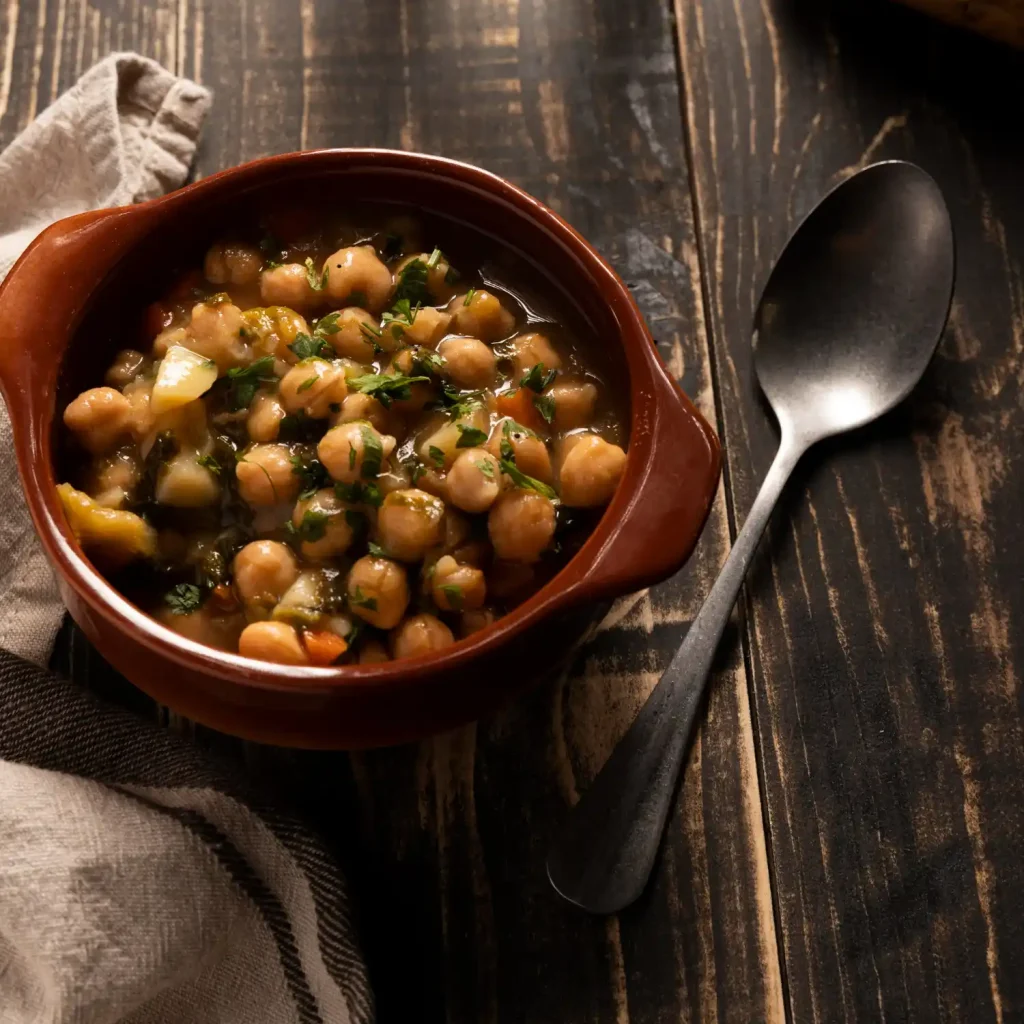
Canned chickpeas are a lifesaver for weeknight dinners when time is short. Because they are already fully cooked during the commercial canning process, your primary goal is simply to heat them and improve their flavor.
Always begin by draining the canning liquid (aquafaba) and rinsing the beans thoroughly in a colander. This removes the excess sodium and the viscous, starchy liquid that can sometimes have a “tinny” flavor profile.
To heat them, sauté the beans in a pan with a little olive oil, garlic, and your choice of spices for about 3 to 5 minutes. This brief exposure to heat helps the beans absorb seasoning and gives them a much better mouthfeel than eating them straight from the can.
Achieving Crispy Results with Air Fryer Technology
If you are looking for a healthy, high-protein snack, the air fryer is the most efficient tool for the job. It provides a level of crunch that traditional ovens struggle to replicate in such a short amount of time.
Start with fully cooked or canned chickpeas that have been patted completely dry with a paper towel. Moisture is the enemy of crispiness; any water left on the surface will create steam and result in a chewy snack instead of a crunchy one.
Toss the dry beans with a tablespoon of oil and your favorite dry spices. Air fry at 400°F (200°C) for 12 to 15 minutes, shaking the basket halfway through. The result is a savory, nut-like snack that is far healthier than traditional potato chips.
Roasting Chickpeas in a Conventional Oven
Oven roasting is perfect for making larger batches of crispy chickpeas or for integrating them into a tray-bake meal. Similar to the air fryer method, ensuring the beans are bone-dry before they enter the oven is the secret to success.
Spread the seasoned beans on a parchment-lined baking sheet in a single layer. Roast at 400°F for 20 to 30 minutes, tossing them occasionally to ensure even browning.
As they cool, they will continue to crisp up. These are excellent when tossed into a Caesar salad or used as a protein-rich garnish for creamy vegetable soups.
Specialty Preparations: Hummus, Curry, and Salads
Different recipes require different “degrees” of doneness. For a traditional Mediterranean hummus, you actually want to overcook the chickpeas slightly until they are almost falling apart.
Some chefs even add a half-teaspoon of baking soda to the cooking water. This increases the pH level, breaking down the pectin in the skins and ensuring a perfectly smooth puree once blended.
For Indian-style curries like Chana Masala, the chickpeas should be tender but firm enough to withstand simmering in a robust tomato and onion gravy. If you are using them for a cold salad, aim for a “firm-tender” state so they maintain their structural integrity when tossed with vinaigrettes.
Common Mistakes to Avoid
The most universal mistake when learning how to cook chickpeas is undercooking the center. Legumes that are hard in the middle are not only unappetizing but can also be difficult for your body to process.
Another error is adding acidic ingredients, like lemon juice or tomato sauce, too early in the cooking process. High acidity prevents the starch granules from swelling and softening, which can lead to beans that stay hard no matter how long you boil them.
Lastly, ensure you are using relatively fresh dried beans. While they have a long shelf life, beans that have been sitting in the back of a pantry for several years may never fully soften, regardless of the method used.
Troubleshooting and Quality Control
If your chickpeas are still hard after 90 minutes, it is likely due to “hard water” or old beans. To fix this, you can try adding a pinch of baking soda to the water, which helps soften the skins, or simply continue simmering until they reach the desired texture.
If your beans turned out mushy, you likely cooked them at too high a temperature or for too long. While you cannot “un-cook” them, mushy chickpeas are still perfect for thickening soups or making a quick batch of hummus.
If the beans are bland, it is usually because salt was not added to the cooking water. Salt does not make beans hard; in fact, cooking in salted water helps the beans cook more evenly and seasons them from the core.
Chef-Tested Methodology and Experience
In our test kitchen, we evaluated four different cooking vessels: a standard aluminum pot, a heavy Dutch oven, an electric pressure cooker, and a traditional slow cooker. Our goal was to determine which method produced the most consistent “creamy yet intact” results.
The heavy-bottomed Dutch oven won for stovetop flavor development, as its thick walls maintained a perfect, gentle simmer. However, for sheer efficiency and texture, the Instant Pot was the clear winner for home cooks.
Our experience shows that the “Natural Release” phase in pressure cooking is the most overlooked step. Skipping this leads to unevenly cooked beans. Always allow the pressure to drop slowly to ensure the steam finish is gentle on the delicate legume skins.
Safety, Storage, and USDA Guidelines
Following USDA food safety standards is essential when handling protein-rich legumes. Cooked chickpeas are highly perishable and should never be left at room temperature for more than two hours.
Store your leftovers in an airtight container in the refrigerator for up to four days. If you have cooked a large batch, chickpeas freeze exceptionally well. Spread them on a baking sheet to freeze individually before transferring them to a freezer bag; they will stay fresh for up to six months.
When reheating, ensure they reach an internal temperature of at least 165°F. If you are using frozen beans in a hot soup or curry, you can drop them directly into the simmering liquid without thawing them first.
Frequently Asked Questions
How to cook chickpeas quickly?
The fastest way to prepare them is by using a pressure cooker or Instant Pot, which takes about 35 to 40 minutes. If you are in an extreme rush, using canned chickpeas is the fastest option, as they only require a quick rinse and a few minutes of heating.
Can you cook chickpeas without soaking?
Yes, you can cook them without soaking, especially in a pressure cooker. On the stovetop, unsoaked beans will take significantly longer to cook—usually upwards of two hours—and may not achieve the same uniform, creamy texture as soaked beans.
How long to cook chickpeas on the stove?
On average, soaked chickpeas take 60 to 90 minutes of simmering to become tender. The exact time depends on the age of the beans and how soft you want them for your specific recipe.
Are canned chickpeas already cooked?
Yes, canned chickpeas are fully cooked during the industrial sterilization and canning process. They are safe to eat directly from the can, though most people prefer to rinse and heat them to improve the flavor and texture.
What is the easiest way to cook chickpeas?
For most home cooks, using a pressure cooker is the easiest “set it and forget it” method. However, canned chickpeas remain the ultimate easy option for those who do not want to manage cooking times or appliance settings.
Conclusion
Mastering the art of cooking chickpeas is a fundamental skill that elevates your home cooking and broadens your culinary horizons. By moving away from a total reliance on canned goods, you gain the ability to customize texture, reduce sodium intake, and enjoy the deep, nutty flavor that only freshly prepared legumes can provide.
Whether you choose the traditional stovetop simmer or the rapid-fire efficiency of an Instant Pot, the keys to success remain consistent: proper hydration, patient heat management, and a pinch of culinary science. As you become more comfortable with these methods, you will find that chickpeas are more than just a salad topping; they are a robust, healthy, and incredibly affordable source of protein that fits into almost any diet.
I encourage you to experiment with different soaking times and seasonings to find your personal preference. From crispy air-fried snacks to velvety smooth hummus, the humble garbanzo bean is a kitchen workhorse that never fails to satisfy. With the tips and techniques outlined in this guide, you are now equipped to cook perfect chickpeas every single time you step into the kitchen.