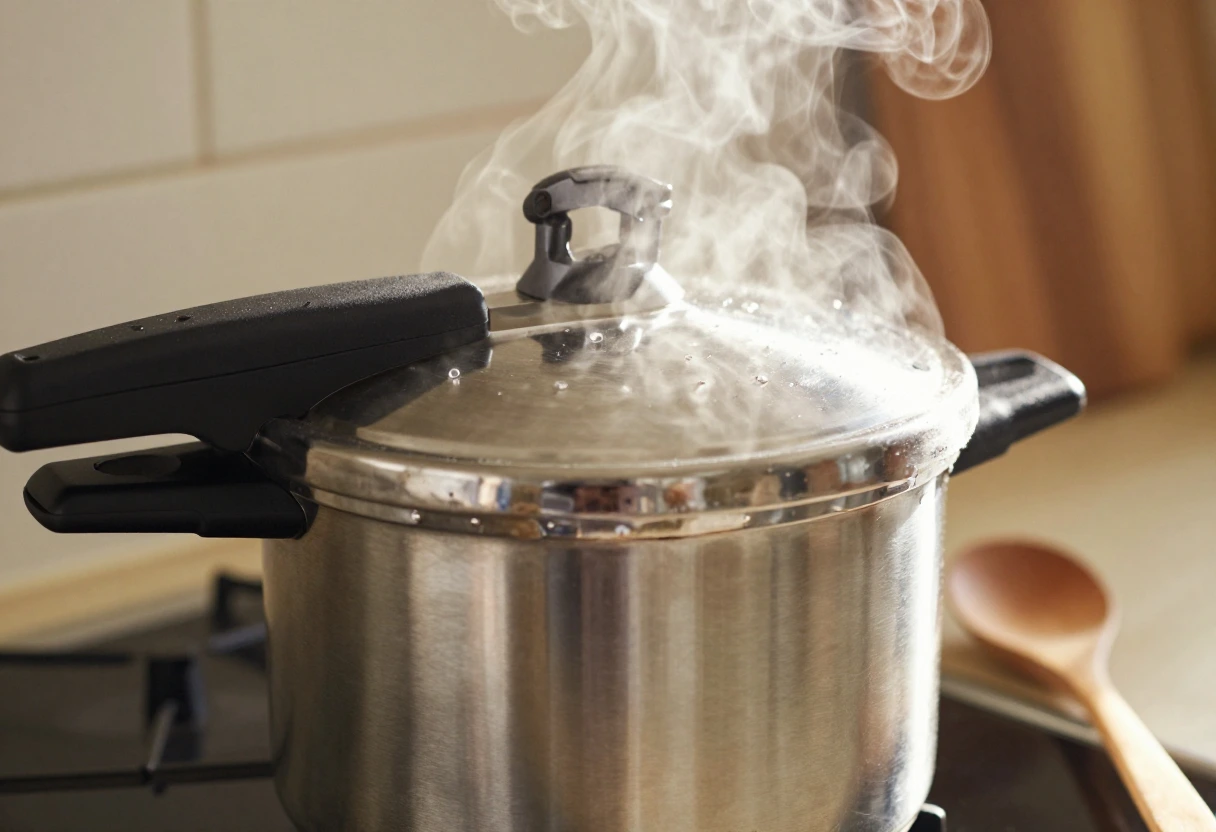
Wondering how to use a pressure cooker for quick, flavorful meals? You have come to the right place. This versatile appliance cuts cooking time dramatically while locking in nutrients.
I have tested dozens of pressure cookers in professional kitchens. Mastering the basics prevents common mistakes and ensures safe operation. Pressure cookers use steam and heat to cook food faster than traditional methods.
Understanding the mechanics helps you unlock restaurant-quality results at home. Whether you own a stovetop model or an electric multi-cooker, this guide covers essential techniques. You will learn proper assembly, safe operation, and perfect timing for rice, beans, and meats.Let us transform your weeknight cooking with confidence and ease.
TL;DR: Quick Overview
- Add at least one cup of liquid for proper steam generation
- Seal the lid securely and verify the pressure valve position
- Build pressure, cook for specified time, then release safely
- Choose natural release for meats, quick release for vegetables
- Always follow manufacturer safety guidelines and USDA temperatures
What Is a Pressure Cooker & How Does It Work?
A pressure cooker traps steam to raise the boiling point of water. This engineering principle allows food to cook at approximately 250°F instead of 212°F.
Higher temperatures accelerate protein denaturation and starch gelatinization significantly. The result is tender meats and perfectly cooked grains in a fraction of the time.
Moisture stays locked inside, preserving flavor and essential nutrients effectively. Understanding this science helps you adjust recipes and troubleshoot issues confidently.Pressure cooking is not magic, it is applied thermodynamics working in your kitchen.
Types of Pressure Cookers (Stovetop vs Electric)
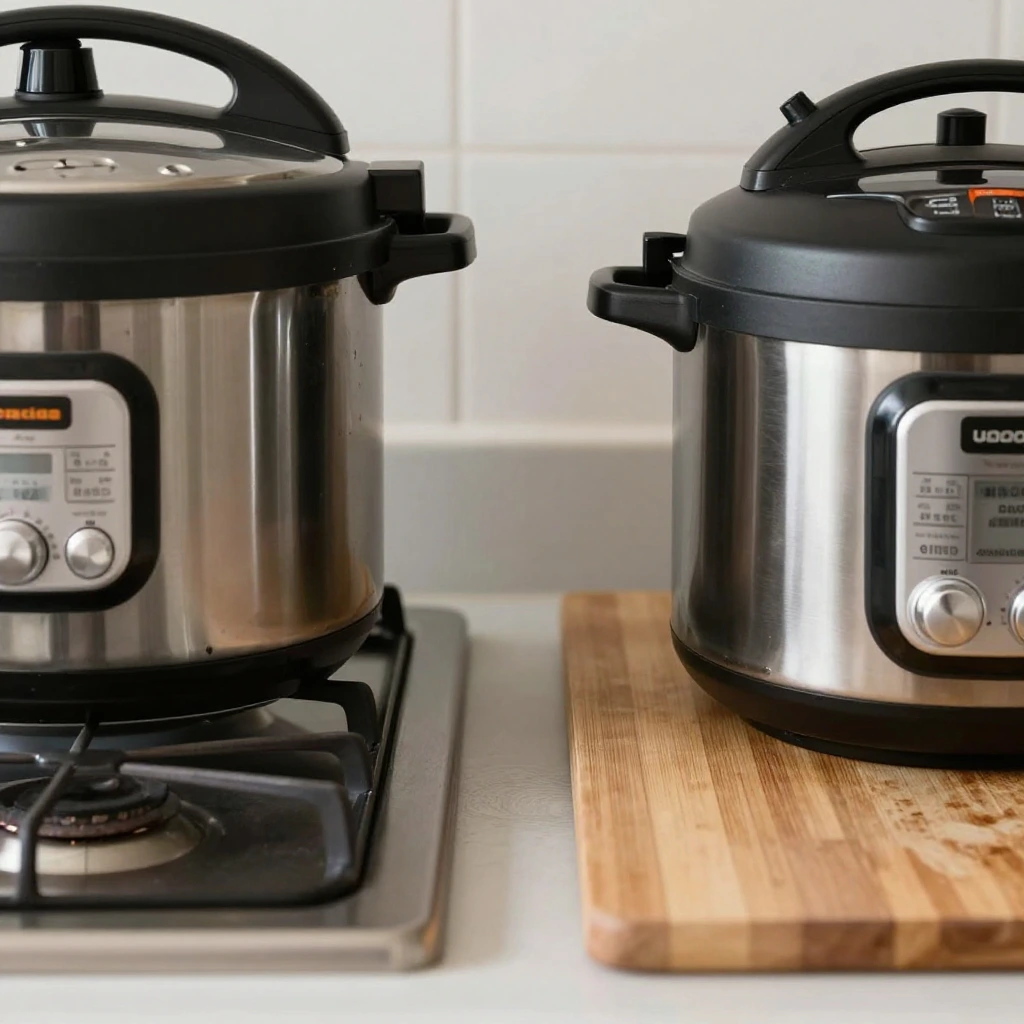
Stovetop pressure cookers offer manual heat control and faster pressure buildup. They require monitoring but provide precise temperature adjustments for experienced cooks.
You control the burner flame directly to manage pressure levels. This method demands attention but rewards you with rapid cooking cycles.
Electric pressure cookers feature pre-programmed settings and automatic safety shutoffs. These models simplify operation for beginners with digital interfaces and timers. Both types deliver excellent results when used with proper technique. Choose based on your cooking style, kitchen setup, and desired level of control.
How to Use a Pressure Cooker for the First Time
Start by reading the manufacturer manual thoroughly before any cooking attempt. Check that the sealing ring is clean, flexible, and properly seated in the lid.
Add the minimum required liquid, usually one cup, to generate adequate steam. Place ingredients inside, ensuring you do not exceed the two-thirds capacity mark. Lock the lid securely and verify the pressure valve is in the sealed position. Select your pressure setting and begin cooking, monitoring the indicator for proper pressurization.
How to Assemble a Pressure Cooker
Proper assembly ensures safe operation and consistent cooking results every time. The main components include the inner pot, lid, sealing ring, and pressure valve.
Insert the inner pot into the base, ensuring it sits level and stable. Place the silicone sealing ring into the lid groove, checking for twists or gaps. Attach the pressure valve and anti-block shield according to your model’s instructions. Verify all parts are clean and dry before locking the lid for cooking.
How to Use a Pressure Cooker Safely
Safety is paramount when operating any pressurized cooking appliance. Never fill the cooker beyond two-thirds capacity to allow proper steam expansion.
Always use sufficient liquid to prevent scorching and ensure pressure buildup. Release pressure away from your face and hands to avoid steam burns.
Keep the pressure valve and vent clear of food particles before each use. Follow USDA guidelines for internal temperatures to guarantee food safety compliance.
Pressure Cooker Operating Instructions (Universal Method)
The basic workflow applies to most pressure cooker models regardless of brand. Add ingredients and liquid to the inner pot, stirring to distribute evenly.
Secure the lid and confirm the pressure valve is set to the sealed position. Select high or low pressure based on your recipe requirements and food type. Allow the cooker to build pressure fully before starting the timed cooking cycle. Once complete, release pressure using the appropriate method for your ingredients.
Natural vs Quick Pressure Release
Natural release allows pressure to drop gradually as the cooker cools naturally. This gentle method prevents tough meats from seizing and keeps beans intact.
Quick release vents steam immediately through the pressure valve for rapid depressurization. Use this technique for delicate vegetables to avoid overcooking and mushiness. Choosing the right release method significantly impacts final texture and doneness. Match your technique to the food type for consistently excellent results.
How to Use Pressure Cooker with Whistle (Stovetop Models)
Traditional stovetop cookers use audible whistles to indicate pressure cycles. Count each whistle as a timing marker for your recipe instructions.
Reduce heat to medium-low after the first whistle to maintain steady pressure. This prevents excessive steam loss and ensures even cooking throughout the cycle. Listen carefully for consistent whistling patterns, adjusting burner heat as needed. This classic method offers reliable results when you understand the auditory cues.
How to Use a Pressure Cooker for Rice
Perfect rice requires precise water ratios and controlled cooking times. Use one cup of rice to one and a half cups of water for most varieties. Cook under high pressure for three to five minutes depending on grain type. Allow a five-minute natural release before performing a quick release for fluffy results.
Fluff rice gently with a fork after opening to separate grains without mashing. This technique yields restaurant-quality rice with minimal effort and cleanup.
How to Use a Pressure Cooker for Beans
Pressure cooking transforms dried beans into tender, flavorful ingredients quickly. Soaked beans require ten to fifteen minutes under high pressure for ideal texture.
Unsoaked beans need twenty-five to forty minutes depending on variety and size. Always use natural release for beans to prevent skins from splitting prematurely. Add salt and aromatics after cooking to avoid toughening the bean interiors. This method saves hours compared to traditional stovetop soaking and simmering.
How to Use a Pressure Cooker for Meat
Tough cuts benefit enormously from pressure cooking’s tenderizing power. Brown meat first using the sauté function for enhanced flavor development.
Cook under high pressure for twenty to forty minutes based on cut size. Use natural release to keep proteins moist and prevent abrupt texture changes. Check internal temperature with a calibrated thermometer to ensure food safety. Properly cooked meat should reach at least 145°F for beef and 165°F for poultry.
How to Use a Pressure Cooker for Chicken
Chicken cooks quickly under pressure, requiring careful timing to avoid dryness. Boneless breasts need eight to ten minutes at high pressure for juicy results.
Bone-in pieces require twelve to fifteen minutes to cook through completely. Always verify the internal temperature reaches 165°F before serving for safety. Use quick release for chicken to prevent overcooking during the cooling phase. Rest meat briefly before slicing to allow juices to redistribute evenly.
How to Use a Pressure Cooker to Cook Potatoes
Potatoes cook rapidly under pressure, delivering creamy interiors every time. Whole medium potatoes require ten to fifteen minutes at high pressure.
Cubed potatoes need only five to eight minutes for perfect tenderness. Place potatoes on a steamer rack above the liquid to prevent waterlogging.
Pierce whole potatoes with a fork before cooking to release steam safely. This simple step prevents splitting and ensures even heat penetration throughout.
How to Use a Pressure Cooker to Cook Vegetables
Delicate vegetables require minimal cooking time to retain color and nutrients. Broccoli, green beans, and asparagus need just one to three minutes under pressure.
Always use the quick release method immediately after the timer finishes. Extended natural release turns crisp vegetables into mushy, discolored disappointments. Add vegetables after pressure builds by using the pot-in-pot method. This technique protects fragile produce from direct contact with boiling liquid.
How to Use a Pressure Cooker for Lentils
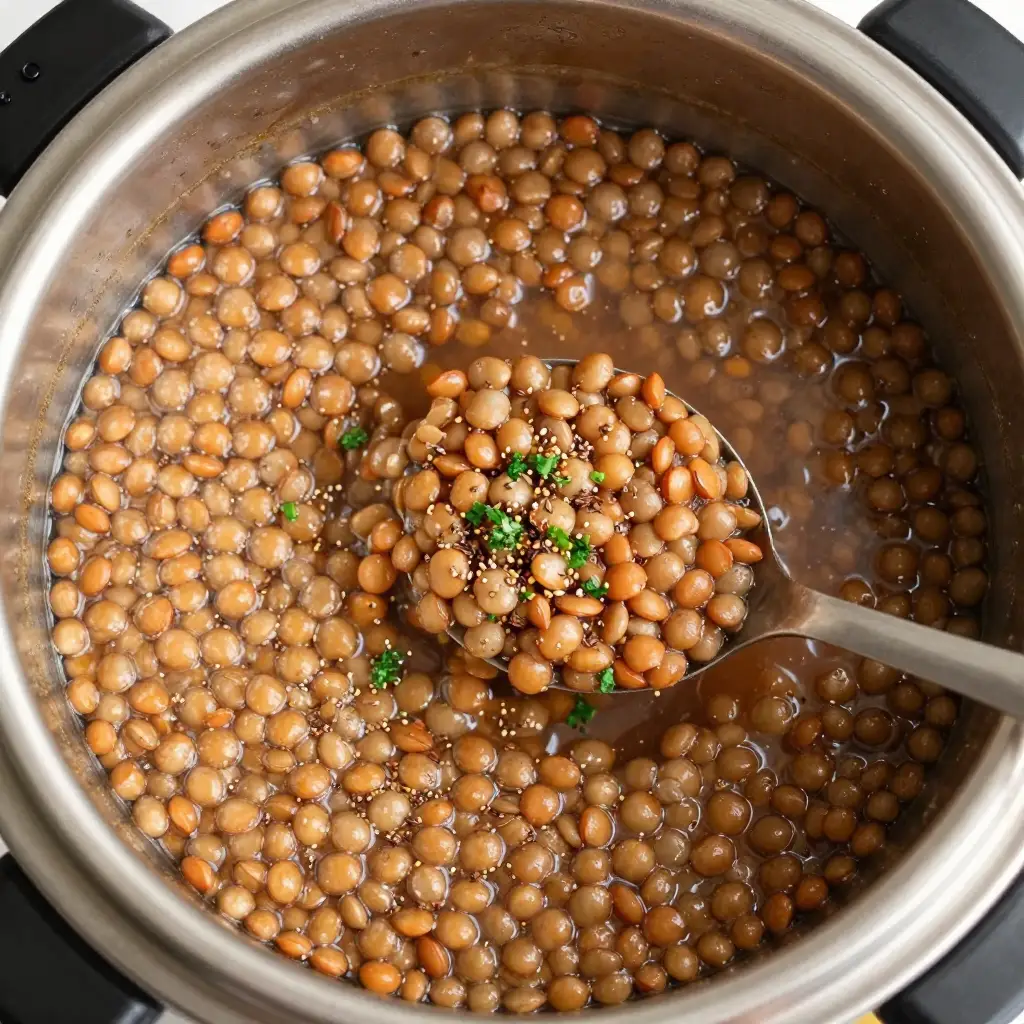
Lentils cook beautifully under pressure, requiring no pre-soaking whatsoever. Yellow lentils need six to eight minutes at high pressure for creamy results. Red lentils break down quickly and require only four to six minutes. Use natural release to allow lentils to absorb remaining liquid fully.
Stir in turmeric, cumin, and fresh ginger before cooking for authentic flavor. Finish with a tempering of ghee and mustard seeds for traditional richness.
How to Use a Pressure Cooker for Canning
Only dedicated pressure canners are safe for low-acid food preservation. Standard pressure cookers cannot maintain the precise temperatures required for botulism prevention.
Follow USDA-approved canning procedures strictly when processing meats or vegetables. Use tested recipes from the National Center for Home Food Preservation. Never modify acid levels or processing times without expert verification. Improper canning techniques create serious foodborne illness risks for your family.
How to Use a Pressure Cooker as a Slow Cooker
Many electric models feature a dedicated slow cook setting for versatility. Use low heat and extended times for traditional braising results. Remove the silicone sealing ring when slow cooking to allow steam escape. This prevents pressure buildup and mimics conventional crockpot operation.
Stir ingredients occasionally to ensure even heat distribution throughout the pot. This method works perfectly for soups, stews, and overnight oats.
Easy-to-Use Pressure Cooker Tips & Tricks
Always preheat your cooking liquid before adding delicate ingredients. This prevents sudden temperature drops that delay pressure buildup. Use natural release for proteins to maintain tender, juicy textures. Quick release causes rapid muscle contraction that squeezes out moisture.
Avoid adding dairy until after pressure cooking finishes completely. Dairy products scorch easily and can trigger the burn warning sensor.
Common Mistakes to Avoid
Overfilling the cooker is the most frequent error among beginners. Always respect the two-thirds capacity line to allow proper steam expansion.
Using insufficient liquid prevents pressure buildup and can scorch ingredients. Add at least one cup of water, broth, or other cooking liquid. Opening the lid before pressure fully releases creates dangerous steam bursts. Wait for the indicator to drop completely before attempting to unlock.
Troubleshooting Guide
Dry results usually indicate overcooking or excessive heat exposure. Reduce cooking time by two minutes for your next attempt. Undercooked centers result from thick portions or low temperature settings. Increase time slightly or verify your pressure valve is fully sealed.
Sticking to the inner pot occurs when surfaces lack adequate liquid. Deglaze with broth after sautéing to loosen browned food particles.
Frequently Asked Questions
How do you use a pressure cooker step by step?
Add liquid and ingredients, seal the lid, build pressure, cook for the specified time, then release pressure safely before opening.
Is pressure cooking safe for home use?
Yes, when you follow manufacturer instructions and USDA safety guidelines. Modern cookers include multiple safety features to prevent accidents.
What foods should not go in a pressure cooker?
Avoid dairy, thick sauces, and delicate vegetables unless timed carefully. These items can scorch, foam, or overcook under high pressure.
How long does pressure cooking typically take?
Most recipes require five to forty minutes under pressure depending on ingredients. Always factor in time for pressure buildup and release.
Can I use a pressure cooker as a slow cooker?
Yes, many electric models feature a dedicated slow cook setting. Use low heat and longer times for traditional slow-cooked results.
Conclusion
Mastering how to use a pressure cooker unlocks fast, flavorful meals with minimal effort. This versatile appliance transforms tough ingredients into tender, nutritious dishes in record time.
Understanding proper assembly, safe operation, and release techniques ensures consistent results every time. Whether you prepare rice, beans, chicken, or hearty stews, pressure cooking delivers restaurant-quality texture at home.
Always prioritize safety by following manufacturer guidelines and USDA temperature standards. With practice, you will develop intuition for timing and seasoning that elevates everyday cooking.
Start with simple recipes to build confidence before experimenting with complex dishes. Your pressure cooker is a powerful tool for efficient, healthy meal preparation. Embrace the speed and versatility it offers for busy weeknight dinners. Perfect technique today leads to delicious, stress-free cooking tomorrow.