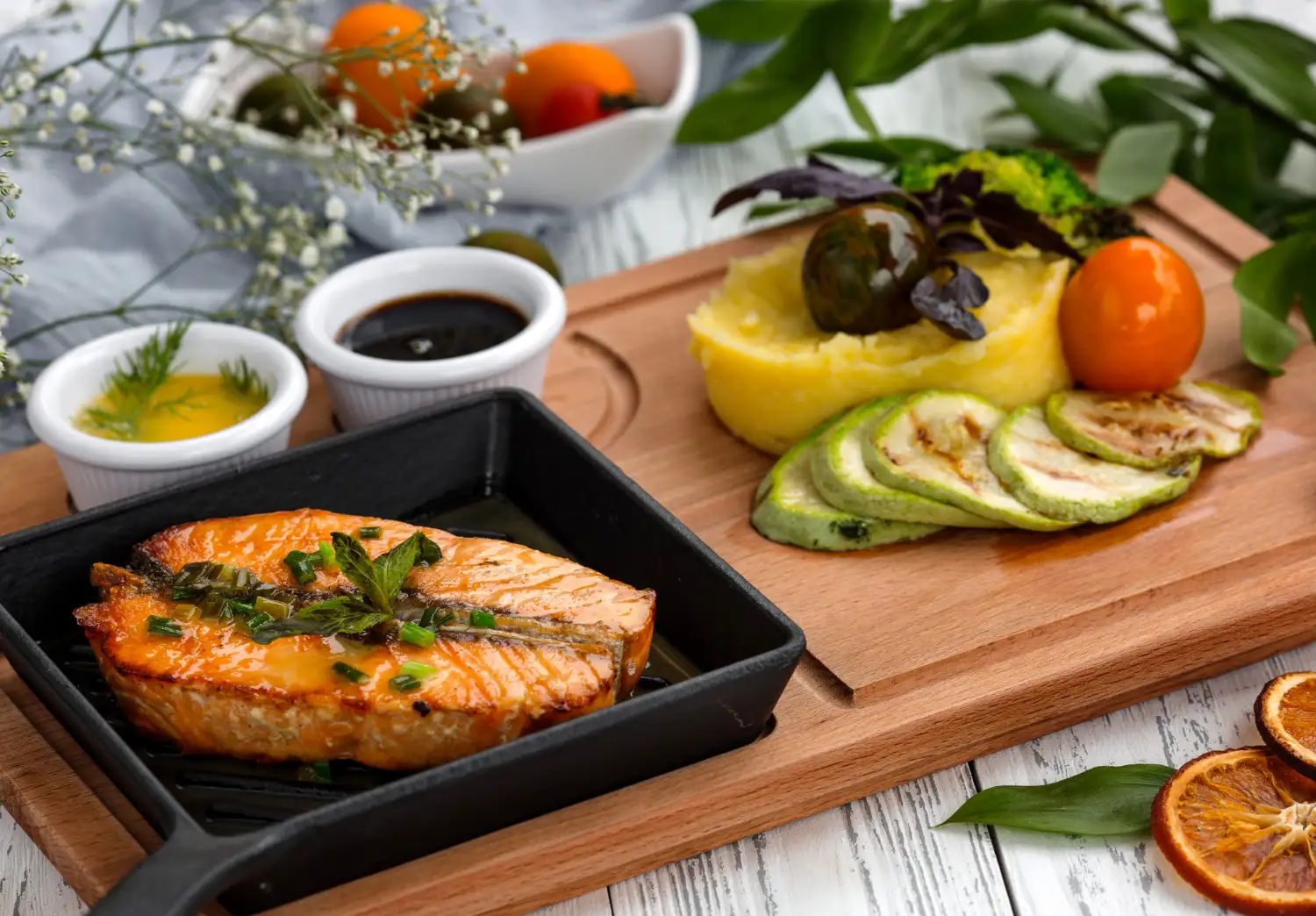
Cooking fish perfectly can feel intimidating for many home cooks. However, understanding the exact salmon cook temp is the ultimate secret to culinary success. When you master the precise heat required, you eliminate the guesswork entirely.
You do not need to be a professional chef to achieve a restaurant-quality meal. By learning how different temperatures affect the delicate proteins in fish, you can prevent dry, chalky dinners.
As a professional seafood chef, I have prepared thousands of fillets using every heat method imaginable. In this comprehensive guide, we will explore the precise internal temperatures and cooking methods required.
We will cover everything from standard oven baking to the nuances of preparing wild-caught varieties. By the end of this article, you will confidently serve perfectly juicy, safe, and delicious fish every single time.
TL;DR: Quick Overview
- USDA Safe Standard: Cook the fish fully to an internal temperature of 145 degrees Fahrenheit.
- Chef Preference: Medium-rare doneness between 120 and 125 degrees Fahrenheit for maximum juiciness.
- Standard Oven Setting: Bake at a moderate heat between 375 and 400 degrees Fahrenheit.
- Estimated Cook Time: Generally takes ten to fifteen minutes depending on fillet thickness.
- Crucial Step: Always let the fish rest for a few minutes after removing it from the heat.
What Temperature Should Salmon Be Cooked To?
Determining what temperature should salmon be cooked to depends heavily on your culinary goals. There is a distinct difference between official food safety guidelines and optimal culinary texture.
Strict USDA food safety regulations state that home cooks must heat all seafood to an internal temperature of 145 degrees Fahrenheit. Reaching this safe salmon cook temp completely destroys any potential parasites or harmful bacteria.
However, culinary science shows that fish proteins coagulate and tighten at much lower temperatures than beef or poultry. If you cook your fillet to the official USDA standard, it may become slightly dry and lose its delicate, buttery texture.
For optimal flavor and a juicy, flaky texture, most culinary professionals prefer an internal temperature between 120 and 135 degrees Fahrenheit. This range preserves the natural moisture while still delivering a satisfyingly warm, cooked center.
Salmon Cook Temp Internal (Food Safety vs Chef Preference)
Understanding the internal cooked salmon temperature chart is vital for achieving your desired level of doneness. Use this basic reference guide to choose the perfect target for your next meal.
| Doneness Level | Target Internal Temp | Resulting Texture |
| Rare | 110–120 degrees | Very soft, sashimi-like center |
| Medium-Rare | 120–130 degrees | Highly moist, preferred by chefs |
| Medium-Well | 130–140 degrees | Firm, fully opaque, slightly less juicy |
| USDA Safe | 145 degrees | Fully cooked, extremely firm |
Salmon Cook Temp and Time (General Guide)
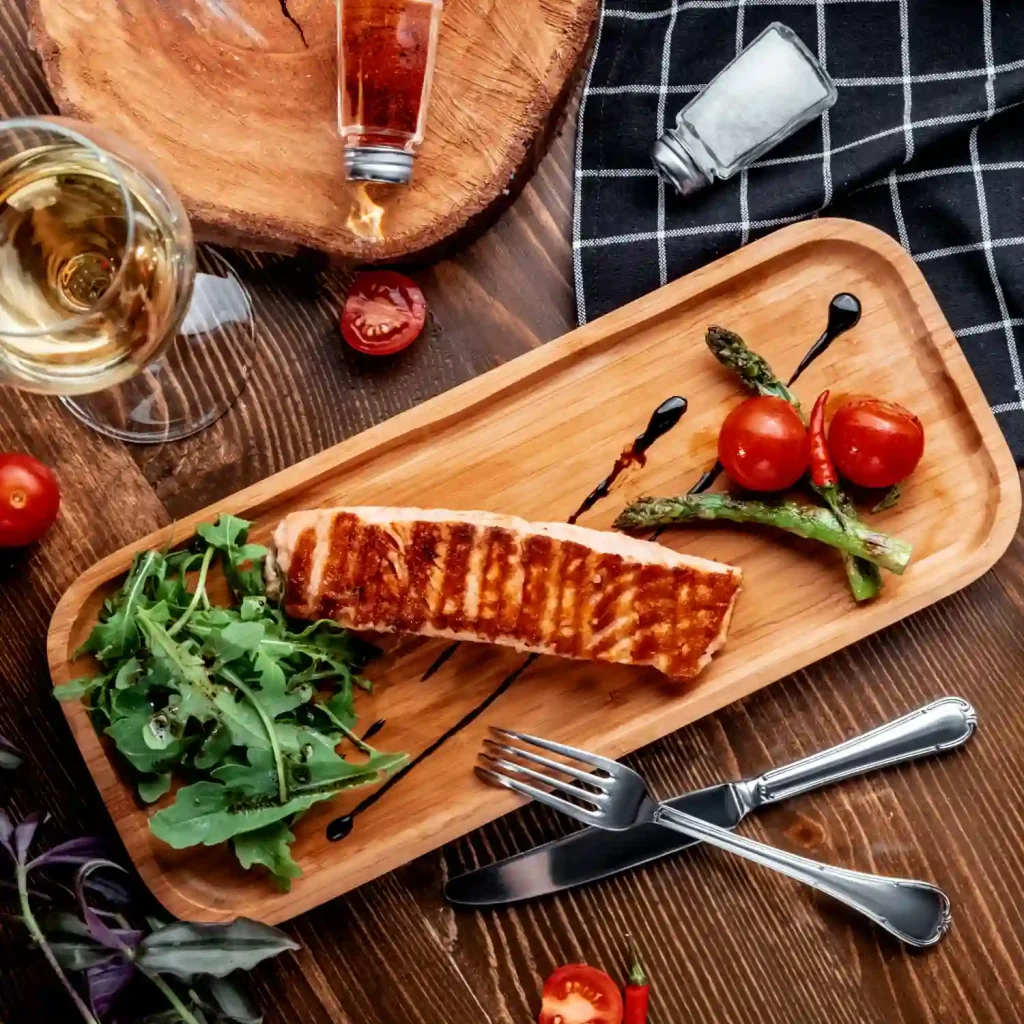
Establishing a reliable salmon cook temp and time requires understanding a few basic culinary rules. The standard baseline for cooking this fish involves utilizing a moderate oven set to 375 degrees Fahrenheit.
At this heat level, a standard one-inch thick fillet takes approximately twelve to fifteen minutes to cook thoroughly. However, you must always account for variables that naturally affect the overall cooking time.
The thickness of the cut is the most significant factor in determining your final salmon cook time. Additionally, whether you buy fresh, previously frozen, farmed, or wild-caught fish drastically alters how quickly it cooks.
Salmon Cook Temp Oven (Most Common Method)
The oven is arguably the most reliable and consistent tool for home cooks preparing seafood. When considering the salmon cook temp oven settings, most chefs consider a moderate heat of 375 degrees Fahrenheit the sweet spot.
This temperature provides gentle, even heat that cooks the center without aggressively drying out the exterior edges. The standard baked salmon cook temp yields a beautiful, flaky texture in about ten to fifteen minutes.
Many home cooks wonder about using a salmon cook temp oven at 400 degrees Fahrenheit. This higher heat method excels at generating a slightly crispy exterior and speeds up the cooking time.
However, using a higher heat carries a greater risk of overcooking the delicate proteins if you do not pay close attention. A chef insight is to always start checking the fish at the ten-minute mark to ensure it remains perfectly juicy.
Grilled Salmon Cook Temp
Taking your seafood to the backyard grill adds an incredible layer of smoky, charred flavor. The ideal grilled salmon cook temp requires a medium-high grill surface, which translates to roughly 375 to 400 degrees Fahrenheit.
You should cook the fillets for approximately four to six minutes per side over direct heat. Always thoroughly clean and heavily oil your grill grates to prevent the delicate skin from sticking and tearing.
As a professional tip, always start cooking with the skin-side down against the hot grates. The skin acts as a protective thermal barrier, insulating the delicate meat from the intense flames while crisping up beautifully.
Sockeye, King, Atlantic & Wild Salmon Cook Temps
Not all fish are created equal, and different species require significantly different heat management. Because fat content and muscle structure vary wildly between species, treating them identically will lead to disappointing culinary results. In this detailed section, we will explore the specific requirements for the most common varieties available at your local seafood market.
Sockeye Salmon Cook Temperature
Sockeye boasts a renowned deep, vibrant red color and an intensely robust, fish-forward flavor profile. When considering the sockeye salmon cook temperature, you must understand that this species is exceptionally lean compared to farmed varieties. Because it lacks extensive intramuscular fat, it is incredibly unforgiving if you leave it on the heat for too long.
You must cook this lean variety very quickly and carefully monitor the internal heat. The ideal target for sockeye is between 120 and 130 degrees Fahrenheit to prevent the meat from turning chalky and dry. Removing it from the pan just before it finishes allows the residual heat to gently carry it to perfect doneness.
King Salmon Cook Temperature
Culinary experts widely consider King salmon, also known as Chinook, the absolute pinnacle of culinary seafood. The king salmon cooking temperature is much more forgiving because this species boasts an incredibly high natural fat content. These thick, luxurious fillets have gorgeous marbling that keeps the meat moist even if you slightly overcook it.
The best target for king varieties is a gentle 125 to 135 degrees Fahrenheit. This allows the rich fats to render beautifully, melting into the surrounding muscle tissue for a buttery, melt-in-your-mouth experience. Because fishmongers often cut the fillets very thick, you absolutely must utilize a meat thermometer for this premium ingredient.
Atlantic Salmon Cook Temperature
Atlantic salmon dominates commercial grocery stores, and fisheries almost exclusively farm-raise this variety. When researching the Atlantic salmon cook temp, you will find that its controlled diet results in a very mild flavor and high fat content. Because it is so fatty and forgiving, it makes an excellent choice for absolute beginners learning to cook seafood.
This variety can easily handle the strict USDA safe temperature of 145 degrees Fahrenheit without becoming completely unpalatable. However, pulling it from the heat around 135 degrees Fahrenheit will still yield a vastly superior, silkier texture for your dinner.
Wild Salmon Cook Temperature
Wild-caught fish lead highly active lives in the open ocean, resulting in dense, highly developed muscle structures. The wild salmon cook temperature, or wild-caught salmon cook temperature, requires extreme precision from the chef. Their active lifestyle means they possess significantly less fat than their lazier, farm-raised counterparts.
You must actively avoid overcooking wild varieties at all costs, as the lean meat will rapidly dry out and become tough. The preferred target is a strict 120 to 130 degrees Fahrenheit, utilizing gentle heat methods like poaching or low-temperature baking. Adding a compound butter or a drizzle of high-quality olive oil before serving helps supplement the missing natural fats.
Smoked Salmon Cook Temp
Smoking fish is an ancient preservation technique that imparts incredible flavor and a unique, dense texture. The smoked salmon cook temp varies drastically depending on whether you utilize a hot or cold smoking method.
Hot smoking is a true cooking process that brings the internal meat to between 120 and 180 degrees Fahrenheit. This method results in a fully cooked, flaky product that deeply absorbs rich wood smoke flavor.
Conversely, cold smoking occurs at very low temperatures and does not actually cook the raw meat. Cold smoking requires a strict preliminary curing process to ensure the raw product remains safe for human consumption.
Salmon Cook Temp in Celsius
For our international readers or those utilizing metric kitchen tools, precise temperature conversions are necessary. When calculating the salmon cook temp in celsius, the official USDA safe temperature of 145 degrees Fahrenheit translates to 63 degrees Celsius.
If you follow a recipe that calls for a standard oven temperature, you will need to adjust your appliance accordingly. A moderate oven setting of 375 degrees Fahrenheit equals roughly 190 degrees Celsius.A hotter oven setting of 400 degrees Fahrenheit translates to approximately 200 degrees Celsius for faster cooking.
Salmon Cook Temp Oven at 400 (Quick Method)
If you lack time, a higher oven heat can expedite your weeknight dinner preparation. Using a salmon cook temp oven at 400 degrees Fahrenheit takes roughly ten to twelve minutes for a standard fillet.
This accelerated method works fantastically for developing a slight, appealing browning on the exterior of the fish. The intense heat rapidly sears the outside while bringing the center to a warm, cooked state quickly.
However, you must watch the oven closely, as the window between perfectly cooked and hopelessly dry is incredibly narrow at this temperature.
How Do You Check the Internal Temperature of Salmon?
Guessing the doneness of your seafood by eye guarantees you will serve disappointing meals. Understanding exactly how to check the internal temperature of salmon is a fundamental skill for any competent home cook.
The only truly reliable tool for this job is a high-quality, digital instant-read thermometer. To get an accurate reading, you must carefully insert the metallic probe into the absolute thickest part of the fillet.
Ensure the tip of the thermometer does not touch the hot cooking pan or push entirely through to the skin. As a pro chef tip, always remove the fish from the heat source when it reads five degrees below your final target.
Why Should You Cook Salmon at the Right Temperature?
You might wonder why you should cook salmon at the right temperature rather than simply winging it. The primary reason is to establish a perfect balance between absolute food safety and superior culinary texture.
From a scientific perspective, heating fish proteins causes them to contract, physically squeezing out their internal moisture. If the internal heat rises above 140 degrees Fahrenheit, this contraction becomes severe, resulting in dry, unappealing meat.
Furthermore, overcooking causes albumin, the white protein found in the muscle fibers, to aggressively seep out and coagulate on the surface. By strictly controlling your heat, you prevent this moisture loss, preserve the delicate flavor, and guarantee tender, juicy flakes.
What Temperature Should Salmon Be Refrigerated At?
Proper temperature management does not end once you cook the meal; storage is equally critical for health. Knowing what temperature salmon should be refrigerated at prevents the rapid growth of dangerous, foodborne pathogens.
Strict food safety standards dictate that you must set your home refrigerator to 40 degrees Fahrenheit or slightly lower. Raw seafood is highly perishable, so you should only store it in the coldest part of your fridge for a maximum of one to two days.
If you do not plan to cook the fresh catch within that tight timeframe, you must tightly wrap and freeze it immediately.
Salmon Cook Temp for Pregnancy
Expectant mothers must exercise extreme care regarding their dietary choices, particularly concerning raw or undercooked seafood. The recommended salmon cook temp for pregnancy strictly adheres to the highest possible safety standards to protect fetal development.
Pregnant women should fully cook their fish to a guaranteed 145 degrees Fahrenheit. You must completely avoid raw preparations like sushi, sashimi, or cold-smoked lox due to the severe risk of listeria and parasitic infections.Always consult your doctor and strictly follow updated USDA pregnancy-safe seafood guidelines to ensure you eat entirely risk-free meals.
Salmon Cook Temp Chart
This quick reference chart provides a clear summary of the best temperatures and times for various cooking methods.
| Cooking Method | Equipment Setting | Estimated Time | Expected Result |
| Standard Oven | 375 degrees | 12–15 minutes | Balanced, gentle cook |
| Fast Oven | 400 degrees | 10–12 minutes | Slightly crisp exterior |
| Outdoor Grill | Medium-high | 8–12 minutes total | Smoky, charred edges |
| Hot Smoker | Low and slow | Varies by weight | Flavor-rich, dense |
| USDA Safe | N/A | Until 145 degrees internal | Fully cooked, very firm |
Common Mistakes When Cooking Salmon
Even experienced home cooks occasionally make critical errors when preparing expensive seafood dinners. The most universally common mistake is simply walking away and overcooking the fish past 145 degrees Fahrenheit.
Another massive oversight is refusing to use a digital meat thermometer, relying instead on inaccurate visual cues like flaking. Furthermore, cooking fillets of vastly uneven thickness on the same pan guarantees you will completely ruin the thinner tail pieces.
Finally, immediately cutting into the hot fish without allowing it to rest causes all the flavorful juices to spill out onto the cutting board.
Pro Chef Tips
As an executive chef, I rely on a few specific techniques to elevate my seafood dishes above standard home cooking. First, you must always account for carryover cooking, which is why pulling the fish off the heat early is mandatory.
You must firmly enforce a three to five-minute resting period after cooking to allow the agitated juices to redistribute through the muscle fibers. When working with expensive, lean wild varieties, actively lower your target temperature to ensure the best possible texture.
Finally, do not hesitate to baste your fillets with whole butter or high-quality oil to aid in crucial moisture retention.
Frequently Asked Questions
What is the best internal target for this fish?
For absolute safety, the USDA recommends 145 degrees Fahrenheit. However, for a chef-style, premium juicy texture, aim for a medium-rare finish between 120 and 130 degrees Fahrenheit.
How long does a fillet take to bake?
In a moderately heated oven set to 375 degrees Fahrenheit, a standard one-inch thick fillet will take approximately 10 to 15 minutes. Always verify the doneness with a digital thermometer rather than relying solely on a timer.
Can this specific fish be served undercooked?
It can only be safely consumed raw or heavily undercooked if it has been commercially frozen to strict sushi-grade standards. This deep-freezing process is required to kill any naturally occurring marine parasites.
What is the most reliable preparation method?
Oven baking at 375 degrees Fahrenheit provides the most reliable, consistent, and gentle heat for home cooks. It significantly reduces the chances of accidentally burning the exterior before the center is warm.
Is the meat fully done at 130 degrees?
Yes, a temperature of 130 degrees Fahrenheit represents a perfect medium doneness that is highly preferred by culinary professionals. The meat will be fully opaque, warm throughout, and incredibly juicy.
Conclusion
Mastering the precise salmon cook temp is the single most important step in elevating your home seafood preparation. By understanding the distinct difference between the USDA safe standard of 145 degrees and the chef-preferred 120 to 130-degree range, you take total control of your kitchen.
The oven method remains the most consistent and reliable technique, providing gentle heat that protects the delicate proteins. Always remember that different species, from fatty King to lean Sockeye, require slightly adjusted heat management to truly shine on the plate.
Furthermore, investing in a high-quality digital thermometer removes all the stressful guesswork from your dinner routine. Never forget the golden rule of culinary science: pull the pan early and let the meat rest to ensure maximum juiciness.
Whether you are quickly baking a weeknight dinner or firing up the backyard grill, respecting the temperature yields restaurant-quality results. Embrace these professional tips, monitor your heat closely, and enjoy perfectly cooked, incredibly flavorful fish at every single meal.