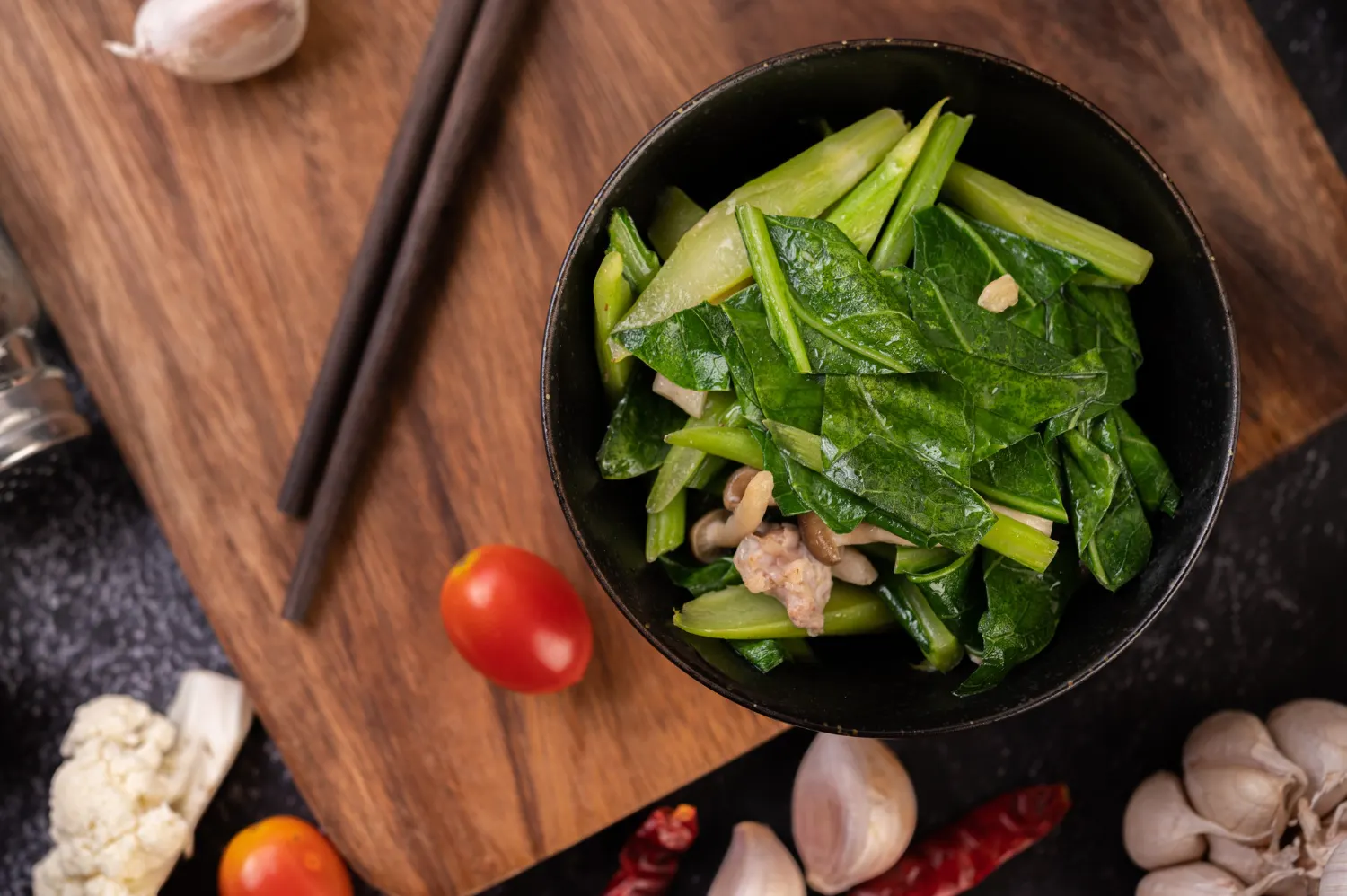
If you are looking to elevate your weeknight dinners, learning how to cook ok choy is an absolute game-changer. This vibrant, leafy green vegetable is a staple in Asian cuisine and is incredibly forgiving for home cooks. Many people feel intimidated by unfamiliar produce, but preparing this delicious vegetable is actually remarkably simple and fast.
You do not need expensive equipment or hours of preparation to achieve a restaurant-quality side dish at home. By mastering a few basic techniques, you can unlock a world of flavor and impressive nutritional benefits.
As a professional chef, I have prepared thousands of portions using various heat methods and flavor profiles. In this comprehensive guide, I will walk you through the absolute best culinary techniques available. We will cover everything from rapid stir-frying to creating the perfect rich ramen broth.
TL;DR: Quick Overview
- Best Overall Method: Stir fry in a hot pan with fresh garlic and ginger (takes just 5–7 minutes).
- Flavor Profile: Mild, slightly sweet, and earthy; remarkably similar to a blend of spinach and mild cabbage.
- Crucial Prep Step: Always wash thoroughly and cut lengthwise to remove hidden grit.
- Important Cooking Rule: The process is very quick—do not overcook the delicate green leaves.
- Most Popular Uses: Served alongside ramen, tossed in a stir fry, or simmered in a savory broth.
What Is Bok Choy & What Does It Taste Like?
Bok choy is a highly popular type of Chinese cabbage that features thick, crisp stalks and dark green, tender leaves. Unlike traditional tightly headed cabbages, it grows in an open cluster similar to celery or Swiss chard.
When answering what bok choy tastes like, you can expect a beautifully mild, slightly sweet, and highly versatile flavor. The crunchy white or pale green stalks are incredibly crisp and hold their texture well under heat.
Conversely, the dark green leaves are delicate and wilt down quickly, much like fresh spinach. Because of this unique dual texture, it absorbs savory marinades, soy sauce, and aromatic oils perfectly. It serves as the ultimate culinary canvas for classic Asian flavor pairings like garlic, ginger, and sesame.
Benefits of Bok Choy (Nutrition & Health Value)
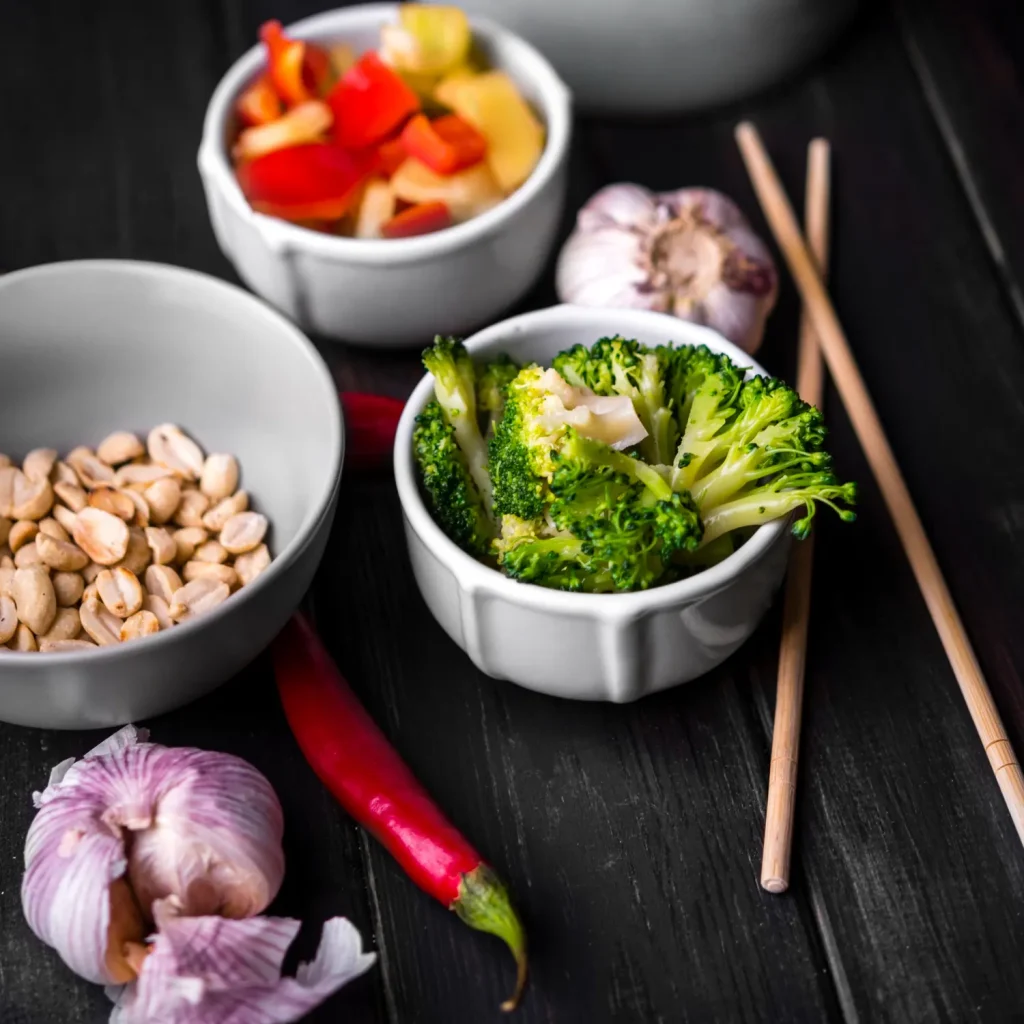
Beyond its fantastic culinary versatility, this vegetable is an absolute powerhouse of essential daily nutrients. It is heavily featured in healthy diets because it is naturally low in calories while being remarkably high in dietary fiber.
This cruciferous vegetable is exceptionally rich in vitamins A, C, and K, which support immune function and bone health. Furthermore, it is packed with powerful antioxidants that help combat cellular damage throughout your body.
According to nutritional science experts, consuming leafy greens regularly is a cornerstone of long-term health and wellness. However, it is important to remember that prolonged exposure to high heat can degrade these delicate water-soluble vitamins. Therefore, utilizing rapid cooking methods is the best way to preserve both the crunch and the incredible nutritional value.
How to Cut Bok Choy Properly
Before any cooking can begin, you must master the simple art of preparing and cleaning the vegetable. First, use a sharp chef’s knife to trim about half an inch off the tough bottom base.
For mature heads, this will allow the large outer stalks to separate naturally from the core. If you are working with baby varieties, you can simply slice the entire vegetable lengthwise down the middle.
Once cut, you must rinse the pieces extremely thoroughly under cold, running water. Dirt and sandy grit love to hide deep inside the crevices near the base of the stalks. A quick rinse will not suffice; gently rub the stalks under the water to ensure a perfectly clean bite.
How to Cook Bok Choy (Best Methods Overview)
There are several fantastic ways to prepare this vegetable depending on your desired texture and available time. Use this quick reference chart to choose the perfect method for your next meal.
| Cooking Method | Estimated Time | Best Culinary Use |
| Stir Fry | 5–7 minutes | Maximum flavor and crunchy texture |
| Boil/Blanch | 2–4 minutes | Healthy side dishes or adding to soup |
| Pan Sauté | 5–8 minutes | Simple, beginner-friendly weeknight meals |
| Oven Roast | 10–15 minutes | Deep caramelization and savory depth |
| Air Fryer | 6–10 minutes | Quick preparation with crispy, charred edges |
Easy Stir Fried Bok Choy Recipe (Most Popular Method)
Stir-frying is universally considered the absolute best way to prepare this delicate cabbage. The intense, rapid heat sears the exterior, locking in moisture while developing complex, savory flavors in the pan.
To execute this easy stir fried bok choy recipe, you need to work quickly and organize your ingredients beforehand. Start with fresh stalks, minced garlic, freshly grated ginger, high-quality soy sauce, and a neutral cooking oil.
First, heat your wok or large skillet over medium-high heat until the oil begins to shimmer. Immediately drop in your minced garlic and ginger, tossing them for just fifteen seconds until highly aromatic.
Next, add the thicker, crunchy stalks to the pan first, as they require slightly more time to soften. Toss them continuously in the hot oil for about three minutes until they turn slightly translucent.
Finally, add the delicate green leaves and your soy sauce, tossing everything vigorously for another two minutes. The leaves will wilt beautifully, soaking up the garlic and ginger aromatics without becoming mushy. This method guarantees a restaurant-quality crunch every single time.
Easy Bok Choy Recipe (Garlic & Ginger)
If you want a highly aromatic side dish, this specific flavor pairing is unbeatable. The sharp, spicy bite of fresh ginger cuts through the mild sweetness of the cabbage perfectly.
Meanwhile, toasted garlic provides a deep, savory foundation that elevates the entire dish. Sauté the aromatics briefly, toss in your greens, and let the magic happen over medium-high heat.
To finish this masterpiece, remove the pan from the heat and drizzle a few drops of toasted sesame oil over the top. This finishing oil provides an incredibly rich, nutty aroma that defines authentic Asian cuisine.
How to Cook Bok Choy in a Pan (Beginner-Friendly)
If you do not own a traditional wok, a standard kitchen frying pan works exceptionally well. This method is incredibly beginner-friendly and requires minimal cleanup after dinner.
Simply place a wide pan over medium-high heat and add one to two tablespoons of oil. Carefully lay the vegetable halves cut-side down directly onto the hot surface to develop a nice sear.
Let them sizzle completely undisturbed for about three minutes to build a beautiful golden-brown crust. Finally, flip them over, add a splash of water, and cover the pan briefly to let the steam gently cook the thicker stalks.
How to Cook Bok Choy for Ramen & Noodles
Adding fresh greens is the easiest way to upgrade instant ramen into a gourmet, nutritious meal. The crisp texture provides a much-needed contrast to the soft, chewy noodles and rich broth.
The best technique is to blanch the vegetables in boiling water for exactly one to two minutes before assembling your bowl. This rapid boil locks in a vibrant, bright green color and removes any raw bitterness.
Alternatively, you can drop the leaves directly into your simmering ramen broth during the final minute of cooking. Just be incredibly careful not to let them overcook, as they will quickly turn into an unappetizing, gray mush.
How to Cook Bok Choy in Soup
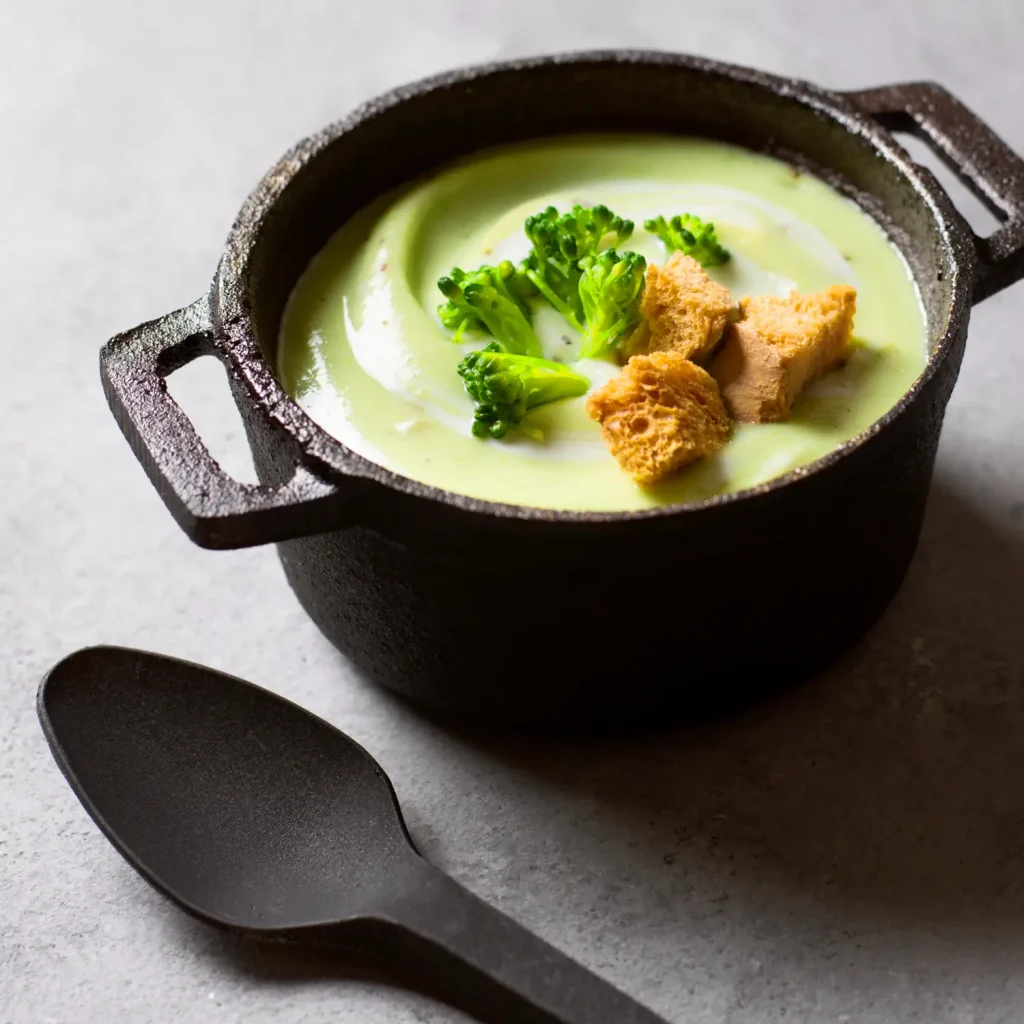
When making homemade chicken or vegetable soup, leafy greens add fantastic volume and nutrition. However, timing is absolutely critical when incorporating them into a large pot of simmering liquid.
You must never add the greens at the beginning of the cooking process alongside carrots or potatoes. Instead, wait until the soup is completely finished and you are almost ready to serve.
Stir the chopped greens into the hot broth during the final three to five minutes of simmering. This late addition ensures the stalks retain a satisfying bite and the leaves do not disintegrate into the broth.
How to Cook Bok Choy in Water (Boiling Method)
Boiling is the simplest, most diet-friendly way to prepare vegetables without using any added fats or oils. However, it requires precise timing to prevent the delicate leaves from becoming waterlogged.
Bring a large pot of heavily salted water to a rolling boil before dropping in the prepared vegetables. Allow them to cook rapidly for only two to four minutes, depending entirely on their size.
As soon as they become tender, use a slotted spoon to remove them and drain away all excess water immediately. Warning: Leaving them in the boiling water for too long aggressively leaches out their water-soluble nutrients and ruins their texture.
How to Cook Bok Choy in Oven
Roasting vegetables in the oven concentrates their natural sugars, resulting in a deeply savory, complex flavor profile. This method is highly hands-off and perfect for busy weeknight meal prep routines.
Preheat your oven to a hot 400°F to ensure proper roasting rather than mere steaming. Toss your halved baby vegetables in olive oil, kosher salt, and a pinch of black pepper, then spread them on a baking sheet.
Roast them for roughly 10 to 15 minutes until the stalks are tender and the leaves become crispy and slightly charred. The resulting caramelization completely transforms the flavor, making it irresistible even to picky eaters.
How to Cook Bok Choy in Air Fryer
The air fryer has revolutionized modern home cooking, and it works absolute wonders on leafy greens. The high-speed fan circulation mimics deep-frying, providing incredibly crispy edges without excessive oil.
Set your appliance to 375°F and preheat it for a few minutes. Lightly coat your chopped greens with a cooking spray or a very small drizzle of oil to help the seasonings adhere.
Arrange them in a single layer in the basket and air fry for 6 to 10 minutes, shaking the basket halfway through. The rapid circulating heat crisps up the leafy tops beautifully while keeping the juicy stalks perfectly tender.
How to Cook Baby Bok Choy
Baby varieties are simply harvested earlier in their growth cycle than the mature, large-headed versions. Because of their youth, they are significantly more tender and possess a notably sweeter, milder flavor.
Due to their petite size, you rarely need to chop them into small, individual pieces. They are best prepared by simply slicing them perfectly in half lengthwise right through the core.
This keeps the beautiful leaves attached to the stalk, creating a highly elegant, restaurant-quality presentation on the plate.
Common Mistakes to Avoid
Many home cooks accidentally ruin perfectly good produce by making a few easily avoidable errors. The most prevalent mistake is undoubtedly overcooking, which instantly destroys the delicate cell structure, leading to a limp, mushy mess.
Another massive error is failing to wash the stalks thoroughly before tossing them into the pan. Biting down on hidden sand or dirt will instantly ruin the entire dining experience for your guests.
Additionally, you should avoid using low heat when attempting to sauté or stir-fry. Low heat causes the vegetables to slowly release their internal moisture and steam in their own juices rather than developing a proper sear.
Pro Chef Tips
As a professional chef, I rely on a few specific techniques to guarantee flawless execution in the kitchen. First, always take the extra minute to separate the dense stalks from the thin leaves during preparation.
You should cook the stalks for a few minutes before introducing the delicate leaves to the pan. This staged cooking approach ensures every single part of the vegetable finishes at the exact same time.
Furthermore, always finish your greens with a small hit of acidity, such as fresh lemon juice or rice vinegar. This bright acid balances the earthy flavors, while pairing it with umami-rich ingredients like mushrooms creates absolute culinary perfection.
Frequently Asked Questions
How do you prepare it very quickly?
The absolute fastest method is a high-heat stir fry in a wok or skillet. By tossing it continuously in hot oil, you can achieve a perfectly cooked side dish in just five to seven minutes.
Is it safe to consume raw?
Yes, it is entirely safe to eat raw and adds a fantastic, peppery crunch to fresh salads. However, briefly cooking the vegetable significantly improves its overall flavor profile and makes it much easier to digest.
What is the exact timing required?
Timing depends strictly on your chosen method of heat application. Stir-frying requires roughly 5 to 7 minutes, while boiling or blanching only takes an incredibly brief 2 to 4 minutes.
Which parts of the plant are edible?
You can and should eat the entire vegetable, as both parts offer unique culinary benefits. The stalks provide a satisfying, juicy crunch, while the dark green leaves offer a delicate texture and earthy flavor.
Does it provide good nutritional value?
Yes, it is a highly nutritious cruciferous vegetable that should be included in a balanced diet. It is exceptionally low in calories but densely packed with essential vitamins, minerals, and disease-fighting antioxidants.
Conclusion
Learning exactly how to cook bok choy is an essential skill that instantly upgrades your everyday meal rotation. This versatile, highly nutritious vegetable delivers an incredible balance of crisp textures and mild, earthy flavors. While there are many ways to prepare it, the high-heat stir fry remains the undisputed champion. It perfectly preserves the satisfying crunch of the stalks while allowing the leaves to absorb savory garlic and ginger.
Always remember the golden rules of preparing delicate greens to avoid culinary disappointment. You must thoroughly wash away hidden dirt and strictly avoid overcooking to maintain the vegetable’s vibrant color and vital nutrients.
Whether you are quickly wilting it into a rich bowl of ramen, simmering it in a hearty soup, or air-frying it for a crispy side dish, the options are limitless. Embrace these simple, professional techniques, and you will confidently serve restaurant-quality vegetable dishes right from your own kitchen.