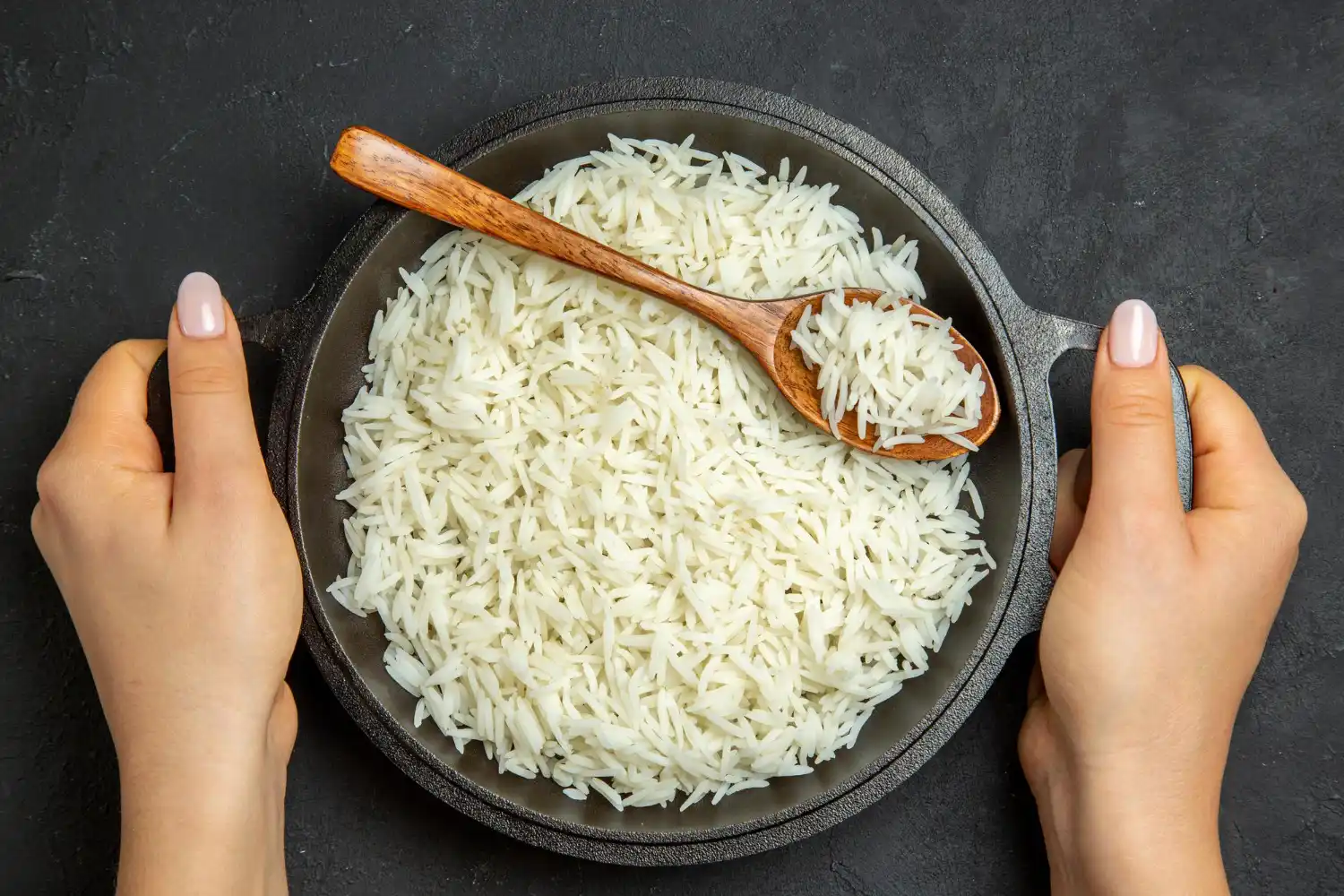
Have you ever struggled with preparing the ultimate culinary side dish? Many home chefs get extremely frustrated when their expensive grains turn out clumpy, mushy, or completely broken. Consequently, a beautifully planned dinner feels a bit underwhelming. However, learning exactly how to cook basmati rice perfectly is entirely achievable for anyone.
By using simple science and the right techniques, you can transform your everyday meals. In fact, restaurant-quality fluffiness is just a few steps away.
As a professional chef and kitchen appliance expert, I have engineered the ultimate foolproof methods for you. Today, we will explore exactly how to utilize your stovetop, pressure cooker, and favorite countertop appliances. Let us dive right in and elevate your home cooking experience!
TL;DR: Quick Overview
- Golden Ratio: 1 cup of grains to 1.5 cups of fresh water.
- Prep Work: Soaking for 20 minutes is highly recommended for extreme fluffiness.
- Stovetop Time: 10 to 15 minutes on a gentle simmer.
- Mandatory Rest: Always rest your pot off the heat for 10 minutes.
- Golden Rule: Never stir the pot while it is actively boiling.
What Is This Aromatic Grain?
This specific long-grain variety primarily originates from the foothills of the Himalayas. Specifically, India and Pakistan produce the highest quality crops in the world. It is globally celebrated for its incredible fragrance and unique texture.
Furthermore, the aroma is distinctly nutty. Many people compare the wonderful smell to freshly popped popcorn. This natural fragrance comes from a specific aromatic compound found inside the bran.
When you prepare it correctly, the texture is incredibly unique. The grains expand lengthwise rather than plumping up. As a result, you get distinctly separate, dry, and fluffy individual pieces that never clump together.
The Perfect Water and Grain Ratio
Finding the exact liquid measurement is the secret to culinary success. For a standard preparation, use 1 cup of grains to exactly 1.5 cups of water. This specific measurement ensures maximum elongation without causing sogginess.
If you choose to soak your grains beforehand, you must adjust this ratio. Because soaked grains absorb ambient moisture, you should reduce the water slightly. Therefore, use about 1.25 to 1.4 cups of water instead.
Why does this variety need more water than jasmine? Because the grain structure is denser and naturally drier. It requires a bit more hydration to fully soften the internal starch structure.
Should You Soak Before Boiling?
As a culinary expert, I highly recommend soaking your grains. First of all, soaking drastically improves the final texture. It allows the starches to hydrate evenly before hitting the high heat.
Consequently, this prevents the delicate ends from breaking or snapping during the boiling process. Furthermore, soaking actually reduces your overall time on the stove. Just 20 minutes of soaking makes a massive difference.
However, you can certainly skip this step if you are in a rush. If you skip soaking, the final result will simply be slightly firmer. Just remember to use the full 1.5 cups of water if you go straight to the pot.
Cooking Times Across Different Methods
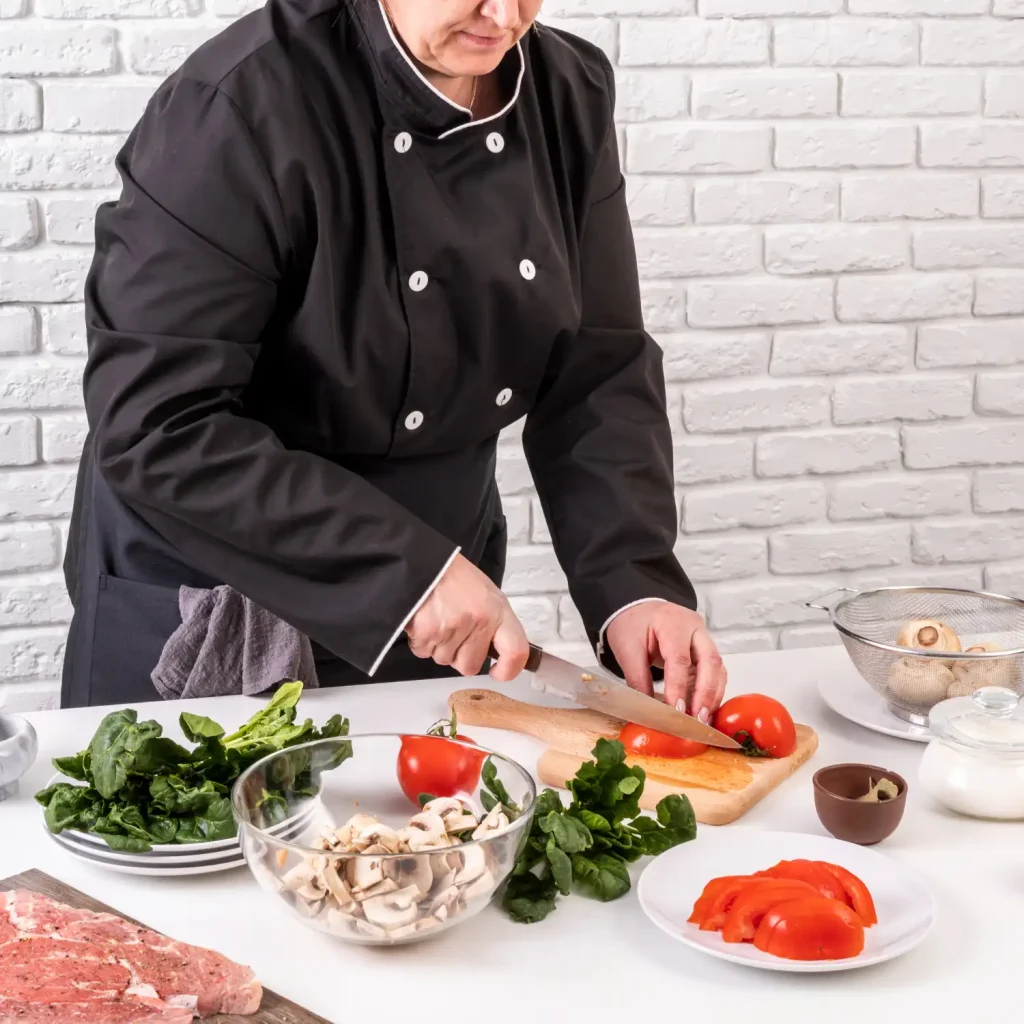
Knowing your exact timelines prevents accidental burning. Every kitchen tool transfers heat differently. Therefore, here is a quick breakdown of timelines across your favorite tools.
| Method | Cook Time | Total Time (with rest) |
| Stovetop | 10–15 min | 25 min |
| Rice Cooker | 15–20 min | 30 min |
| Instant Pot | 4–6 min (pressure) | 20 min |
| Pressure Cooker | 5–7 min | 20 min |
| Microwave | 10–12 min | 15 min |
Stovetop Cooking Method
Mastering the traditional stovetop technique gives you the most control over your food. This is the classic method used in professional kitchens worldwide. Let us break down exactly what you need to succeed.
Essential Ingredients
- 1 cup of premium basmati grains
- 1.5 cups of cold, filtered water
- A generous pinch of kosher salt (optional)
Step-by-Step Instructions
First of all, you must rinse your grains thoroughly. Place them in a fine-mesh strainer and run cold water over them. Keep washing gently until the runoff water turns completely clear.
Next, let the rinsed batch soak in a bowl of fresh water for 20 minutes. After soaking, drain the excess liquid completely. Then, transfer everything into a heavy-bottomed saucepan.
Pour your measured 1.5 cups of water into the saucepan. Bring the liquid to a rapid, rolling boil over medium-high heat. Once bubbling, immediately reduce the burner to the lowest possible setting.
Place a tight-fitting lid on the saucepan. Let it simmer undisturbed for exactly 10 to 12 minutes. Finally, remove the pot from the heat and let it rest for 10 minutes before fluffing gently with a fork.
Rice Cooker Preparation
Using a dedicated electric machine offers incredible convenience and consistency. First, always rinse your grains to remove that excess surface starch. Then, transfer them into the nonstick inner pot.
For this specific appliance, stick to a ratio of 1:1.25 or 1:1.5 depending on your preferred firmness. Add your water and select the standard “white rice” setting.
These machines are actually quite brilliant. They utilize internal thermal sensors to detect exactly when the liquid evaporates. Consequently, they automatically switch to a warming mode right when the food finishes. Always let it rest for 10 minutes after the machine beeps.
Instant Pot Technique
Electric pressure cooking is fantastic for busy households. First, thoroughly wash your grains under cold water. Next, add the washed batch to your stainless steel insert.
Add exactly 1.25 cups of water for every cup of grains. Secure the heavy lid and ensure the top sealing valve is completely closed.
Select the manual pressure setting and cook on HIGH for 4 to 6 minutes. Once the timer finishes, do not touch the release valve! Allow a natural pressure release for 10 minutes to prevent uneven, gummy textures.
Traditional Pressure Cooker Method
Many international households still prefer the traditional stovetop pressure cooker. First, combine your washed grains and water inside the heavy pot.
Lock the lid securely into place. Heat the pot over a medium-high flame until you hear the very first loud whistle.
Immediately after that first whistle, reduce the flame to low. Let it cook gently for exactly 5 minutes. Finally, turn off the heat completely and let the pressure drop naturally before opening the lid.
Microwave Preparation
If you need a quick side dish, the microwave works surprisingly well. First, find a very large, microwave-safe glass bowl.
Combine your washed grains with a 1:1.5 ratio of cold water. Do not seal the bowl tightly with plastic wrap. Instead, simply place a ceramic plate loosely over the top.
Cook on high power for roughly 10 to 12 minutes. Because microwave wattages vary wildly, check the moisture level at the 10-minute mark. Let it sit inside the microwave for a few minutes before serving.
Indian Style Boiling Method
This traditional method is incredibly popular in Indian households. Interestingly, it treats the grains exactly like boiling pasta.
First, bring a very large pot of salted water to a rolling boil. You do not need to measure this water precisely. Once boiling vigorously, drop in your washed and soaked grains.
Let them boil uncovered for exactly 7 to 9 minutes. Carefully taste a single grain to check for tenderness. Once perfectly cooked, drain the entire pot immediately through a large colander. This technique guarantees extra long, perfectly separate pieces.
Preparation for Fried Rice

If you are planning to make a wok-fried dish, your preparation must change. The absolute golden rule is to use day-old, chilled leftovers.
When preparing the initial batch, intentionally use slightly less water. This ensures the texture remains quite firm. Once cooked, spread the hot food onto a wide baking sheet.
Let it cool rapidly on your counter. Then, transfer it to an airtight storage container and refrigerate it overnight. The cold air completely dries out the surface starch, preventing your stir-fry from becoming a gummy paste.
Aromatic Grains Comparison
Home cooks frequently ask about the differences between these two popular options. Understanding their distinct properties helps you pair them with the right meals. For more details, check out our guide on “How to Cook Jasmine Rice.”
| Feature | Basmati | Jasmine |
| Texture | Dry, distinctly separate, fluffy | Soft, slightly sticky, moist |
| Aroma | Earthy, intensely nutty | Sweet, floral, fragrant |
| Best Use | Biryani, pilafs, rich Indian curries | Thai curries, stir-fries, Asian dishes |
Flavor Boosting Add-Ins
While the natural nutty flavor is wonderful, you can easily enhance it. First of all, try dropping a tablespoon of rich ghee or butter into the pot before simmering.
Furthermore, toasting whole spices like cardamom pods and cloves adds incredible aromatic depth. Tossing in a single dried bay leaf works wonders as well.
If you want a luxurious yellow tint, soak a pinch of saffron in warm milk and stir it in. Finally, simply swapping the water for high-quality chicken or vegetable broth elevates the savory profile immensely.
Common Mistakes to Avoid
Even experienced home chefs make simple technical errors. First and foremost, skipping the initial cold water rinse is a huge mistake.
Secondly, aggressively stirring the pot while it boils releases sticky starches. This instantly ruins the fluffy texture. Furthermore, adding too much water is the fastest way to create a mushy disaster.
Finally, impatiently skipping the mandatory resting phase ruins the structural integrity of the food. You must let the steam settle naturally.
Quick Troubleshooting Guide
Sometimes, despite our best efforts, things go slightly wrong. Here is how you can quickly identify and fix common issues in the kitchen.
| Problem | Likely Cause | Quick Fix |
| Mushy Texture | Too much liquid / Skipped resting | Spread on a baking sheet to evaporate moisture. Reduce ratio next time. |
| Broken Pieces | Skipped soaking / Aggressive stirring | Always soak for 20 minutes and never stir the pot while boiling. |
| Sticky Clumps | Did not rinse off surface starch | Rinse under cold water until it runs completely clear next time. |
Chef-Tested Methodology
As an appliance engineering specialist, I demand rigorous testing. I evaluated these specific techniques using heavy stainless steel cookware, nonstick pots, and multiple electric appliances.
My evaluation criteria strictly focused on grain separation and texture consistency. Furthermore, I measured internal moisture retention across different cooling times.
I can confidently confirm that the 20-minute soak method consistently outperforms unsoaked batches. Additionally, using a tight-fitting lid is mathematically crucial for maintaining the precise internal steam temperature required for gelatinization.
Food Safety and Storage
Proper handling is absolutely critical for your digestive health. According to leading food safety guidelines, you must chill leftover starches very rapidly.
Never let your cooked sides sit at room temperature for more than two hours. Ideally, move them into the refrigerator within exactly one hour.
Store leftovers in shallow, airtight containers for a maximum of four days. When you reheat your meals, you must ensure the internal temperature reaches a steaming 165°F to destroy potential Bacillus cereus bacteria.
Frequently Asked Questions
How to cook basmati rice perfectly every time?
To achieve perfection, use a strict 1:1.5 ratio of grains to water. Furthermore, always soak the grains for 20 minutes, and never stir them while they are actively boiling.
Exactly how long to cook basmati rice on the stove?
You should simmer it on the lowest possible heat setting for 10 to 15 minutes. Afterward, it is mandatory to let the pot rest off the heat for another 10 minutes.
Can you cook basmati rice without soaking it first?
Yes, you certainly can skip the soaking process if you are in a hurry. However, you will need to increase your water ratio slightly, and the final texture will be a bit firmer.
What is the absolute best appliance method to use?
The traditional stovetop method gives you the most precise culinary control. Conversely, a dedicated electric rice cooker provides the absolute best hands-off ease and consistency.
Why is my cooked basmati rice always sticky and clumpy?
This frustrating issue usually occurs because you used too much water or skipped the rinsing step. Additionally, vigorously stirring the pot releases sticky starches into the water.
Conclusion
Mastering this incredibly fragrant, long-grain staple does not require a culinary degree. By simply understanding hydration ratios and respecting the delicate starch structure, you can achieve perfection.
Furthermore, taking the extra time to rinse and soak your ingredients completely changes the final outcome. Whether you prefer the control of a stovetop or the ease of an electric pressure cooker, the science remains exactly the same.
Now that you know how to cook basmati rice flawlessly, I highly encourage you to experiment. Try tossing in some toasted cardamom or rich ghee to elevate your weekly meal prep. With these expert techniques in your arsenal, you will confidently serve restaurant-quality side dishes every single time!
Evidence-Based References:
- Harvard T.H. Chan School of Public Health – Whole Grains
- Mayo Clinic – Whole Grains: Hearty Options for a Healthy Diet
- U.S. Food and Drug Administration (FDA) – Safe Food Handling
- Harvard T.H. Chan School of Public Health – Rice (Nutrition & Types)
- U.S. Food and Drug Administration (FDA) – What You Can Do to Limit Exposure to Arsenic in Rice