
Have you ever wondered how to cook jasmine rice so perfectly that it rivals your favorite upscale Thai restaurant? Many home cooks struggle with sticky, mushy, or completely dried-out batches. Consequently, a great dinner can easily get ruined. But do not worry at all!
As a professional chef and appliance specialist, I have tested countless batches to find the ultimate foolproof techniques. By using the right methods, you will elevate your everyday culinary game. First of all, we need to understand the grain itself.
Then, we can tackle the actual cooking process step-by-step. Specifically, I will show you exact steps for your stove, instant pot, and electric appliances. This comprehensive guide covers everything you need to know. You will finally achieve that fluffy, fragrant texture every single time.
TL;DR: Quick Overview
- Golden Water Ratio: 1 cup of grains to 1.25–1.5 cups of water.
- Stove Cook Time: 12–15 minutes on low heat.
- Mandatory Resting Time: 10 full minutes off the heat.
- Crucial Prep Step: Always rinse your grains before cooking.
- Best Consistent Method: Dedicated rice cookers provide the most reliable results.
What Exactly Is This Aromatic Grain?
Jasmine is a beautiful, long-grain variety primarily grown in Southeast Asia. Most notably, it originates from Thailand. It brings a very distinct floral aroma to your kitchen. Furthermore, the fragrance resembles fresh pandan leaves.
When you prepare it correctly, the texture is soft and fluffy. However, it retains a slightly sticky quality. This makes it perfect for eating with chopsticks. It absorbs curries and rich sauces beautifully.
In contrast, basmati is much drier and longer. If you want to explore further, check out our comparison section below. Knowing your ingredients is the first step to mastering them.
The Ultimate Water to Grain Ratio

For standard preparation, the perfect ratio is 1 cup of grains to 1.25 cups of water. This specific measurement yields incredibly fluffy results. However, this jasmine rice water ratio changes slightly depending on your appliance.
If you use a stovetop, you need a 1:1.5 ratio. For a rice cooker, stick strictly to 1:1 or 1:1.25. Meanwhile, an Instant Pot requires an exact 1:1 measurement.
Why do we use less water here? Because these grains are inherently softer than regular white varieties. If you add too much liquid, they quickly turn into mush. Furthermore, rinsing adds residual moisture. Therefore, you must account for that extra dampness when measuring.
Cooking Times Across Different Appliances
Knowing exactly how long to cook your food prevents burning. Different appliances require vastly different heating times. Here is a quick breakdown for your convenience.
| Method | Cook Time | Total Time (with rest) |
| Stovetop | 12–15 min | 25 min |
| Rice Cooker | 15–20 min | 25–30 min |
| Instant Pot | 3–5 min (pressure) | 20 min |
| Microwave | 10–12 min | 15 min |
| Oven | 25–30 min | 35 min |
Mastering the Stovetop Method
Cooking on a stovetop requires a bit of attention, but it is highly rewarding. First, you need to gather your basic materials. Let’s break down the exact directions for cooking jasmine rice perfectly.
Essential Ingredients
- 1 cup of high-quality jasmine grains
- 1.5 cups of fresh, cold water
- A small pinch of kosher salt (completely optional)
Step-by-Step Instructions
First of all, thoroughly rinse your grains in a fine-mesh strainer. Keep washing until the water runs completely clear. This crucial step removes excess surface starch. As a result, your final dish will not turn into a gummy mess.
Next, combine your washed grains and cold water in a medium saucepan. Bring the pot to a rolling boil over medium-high heat. Once boiling, immediately reduce the heat to the lowest possible setting.
Then, place a tight-fitting lid on the pot. Let the contents simmer gently for 12 to 15 minutes. After the time is up, remove the pot from the burner. Finally, let it rest undisturbed for 10 minutes. Fluff gently with a fork before serving.
Using Your Dedicated Appliance
If you want absolute consistency, nothing beats a dedicated machine. First, measure your washed grains into the inner pot. Add water using a strict 1:1 or 1:1.25 ratio.
Next, simply press the standard “white rice” setting. The machine will do all the heavy lifting for you. Internal thermal sensors automatically regulate the heat. As a result, it shuts off right when the liquid absorbs.
However, do not skip the resting phase! Even after the machine chimes, leave the lid closed for ten minutes. This allows the internal steam to finish the cooking process gently. If your appliance acts up, check out our “How to Fix Rice Cooker Not Working” guide.
Pressure Cooking for Fast Results
Electric pressure cookers are fantastic for busy weeknight dinners. First, thoroughly rinse your grains as usual. Then, add equal parts grains and water directly into the stainless steel insert.
Secure the lid and ensure the pressure valve is sealed. Select the manual or pressure cook setting. Set it to HIGH for exactly 3 to 5 minutes.
Once the timer beeps, do not release the pressure immediately. Instead, allow a natural pressure release for 10 full minutes. Finally, release any remaining steam and fluff.
Quick Microwave Preparation
Sometimes you just need a small, single serving quickly. For this method, use a large microwave-safe glass or ceramic bowl. Combine your washed grains with a 1:1.5 ratio of water.
Do not cover the bowl tightly. Instead, place a microwave-safe plate loosely on top. Cook on high power for about 10 to 12 minutes. Since microwaves vary in wattage, you might need to adjust the time. Let it sit in the microwave for five minutes after heating. This residual heat plumps up the grains beautifully.
Large Batch Baking
If you are meal prepping or hosting a party, baking is incredibly efficient. First, preheat your conventional oven to 375°F.Place your rinsed grains into a large baking dish. Next, pour boiling water over the top using a 1:1.5 ratio. You must use boiling water to jumpstart the cooking process.
Cover the baking dish tightly with heavy-duty aluminum foil. Bake it on the center rack for 25 to 30 minutes. Once done, let it rest covered before fluffing.
Preparing Grains for Wok Frying
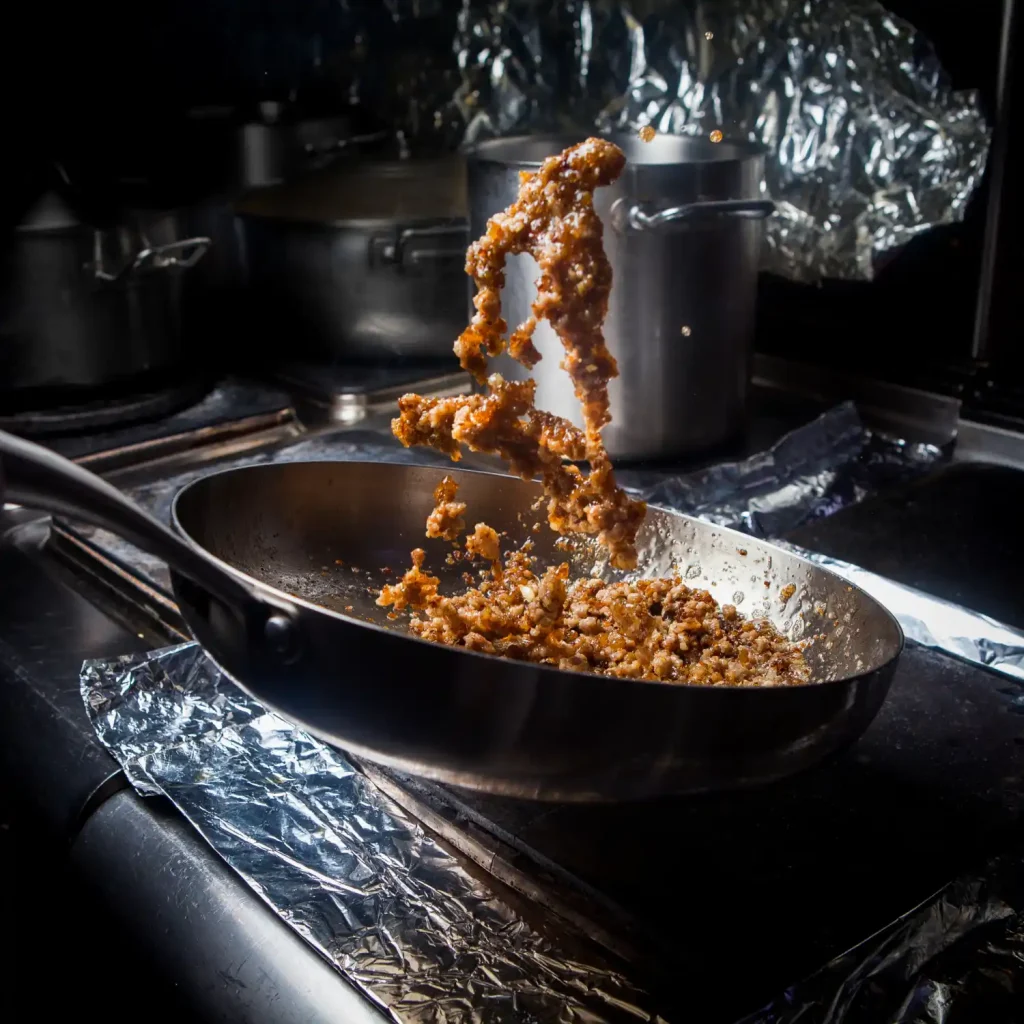
If you want to know how to cook jasmine rice for fried rice, the rules change slightly. The most important rule is using day-old, chilled grains.First, prepare your batch using slightly less water than normal. This keeps the texture firm. Once cooked, spread the hot grains onto a large baking sheet.
Let them cool quickly at room temperature. Then, transfer them into an airtight container. Check out our “Food Storage Containers Guide” for top recommendations. Refrigerate them overnight to dry them out completely. This prevents your wok dishes from becoming soggy.
Flavor Boosting Add-Ins
While plain grains are delicious, you can easily elevate the flavor profile. First of all, consider adding a tablespoon of butter or rich olive oil before simmering.
Furthermore, replacing the water with low-sodium chicken broth adds incredible savory depth. For an authentic Southeast Asian flair, toss in bruised lemongrass or bay leaves. If you want a decadent side dish, substitute half the water with full-fat coconut milk. Similarly, sautéing minced garlic and ginger before adding liquids builds a highly aromatic base.
Aromatic Grains Comparison
People often confuse these two popular aromatic varieties. However, they serve very different culinary purposes. Here is a quick breakdown to help you choose.
| Feature | Jasmine | Basmati |
| Texture | Soft, slightly sticky, moist | Dry, distinctly separate, fluffy |
| Aroma | Sweet, floral, pandan-like | Earthy, heavily nutty |
| Best Use | Thai curries, stir-fries, Asian dishes | Biryani, pilafs, rich Indian curries |
Common Preparation Mistakes
Even seasoned home cooks make simple errors. First and foremost, skipping the rinsing phase is a massive mistake. It leaves heavy starch that acts like glue.
Secondly, using way too much water is the leading cause of mushy dinners. Always measure your liquids precisely. Furthermore, constantly stirring the pot releases even more starch.
Finally, cooking on high heat scorches the bottom layer. You must be patient and utilize low, gentle simmering heat. Do not rush the resting time, either!
Quick Troubleshooting Guide
Sometimes things go wrong in the kitchen. Here is how you can easily fix common textural issues.
| Problem | Likely Cause | Quick Fix |
| Mushy Texture | Too much liquid / Overcooked | Spread on a baking sheet to dry out. Reduce ratio next time. |
| Burnt Bottom | Heat was too high / Thin pot | Do not scrape the bottom! Salvage the top layer. Lower flame next time. |
| Crunchy/Dry | Not enough liquid / Escaped steam | Add 2 tablespoons of boiling water. Cover and steam on low for 5 mins. |
Chef-Tested Methodology
In my professional kitchen, I rigorously test every method before recommending it. I evaluated these techniques across heavy stainless steel pots, entry-level cookers, and high-end pressure models. My primary testing metrics focused on texture consistency and moisture retention. Furthermore, I specifically measured grain separation after the resting phase.
I can confirm that rinsing three times significantly improves the final mouthfeel. Additionally, the 10-minute resting period is scientifically necessary. It allows the starches to firm up, preventing breakage when you finally fluff it.
Food Safety & Storage Guidelines
Proper food handling is absolutely vital for your family’s health. According to USDA guidelines, you must cool cooked starches rapidly. Never leave them sitting at room temperature for more than two hours.
Ideally, cool your leftovers within one hour. Store them in shallow, airtight containers in the refrigerator for up to four days. When you reheat leftovers, ensure the internal temperature reaches a steaming 165°F.
Frequently Asked Questions
What is the absolute best water ratio for a fluffy texture?
For standard stovetop preparation, 1 cup of grains to 1.5 cups of water works best. However, for electric appliances, dial it back to 1:1.25 for the best consistency.
Exactly how long to cook jasmine rice on stove burners?
You should simmer it on the lowest possible heat for 12 to 15 minutes. Afterward, you must let it rest off the heat for an additional 10 minutes.
Can you skip rinsing the grains before boiling them?
Yes, you technically can. However, your final dish will be noticeably clumpier and stickier due to the heavy surface starch.
Why does my batch always turn out mushy and wet?
This usually happens because you added too much liquid initially. Alternatively, you might have skipped the resting phase, which allows residual moisture to absorb properly.
Are these floral grains healthier than standard white varieties?
Nutritionally, they are very similar to standard white varieties. The primary difference lies entirely in their unique fragrance, length, and softer texture.
Conclusion
Mastering this delicate, aromatic grain does not have to be a stressful ordeal. By simply understanding the importance of rinsing and proper measuring, you can achieve perfection. Furthermore, respecting the resting time will completely transform your side dishes.
Whether you use a traditional pot or a modern electric appliance, consistency is key. First of all, find the appliance that best fits your daily routine. Then, stick to the specific ratios outlined in this guide.
Do not be afraid to experiment with flavorful broths and aromatics once you nail the basics. I encourage you to try different cooking methods to see what works best in your kitchen. Ultimately, knowing how to cook jasmine rice perfectly is an essential skill that will serve you for a lifetime!