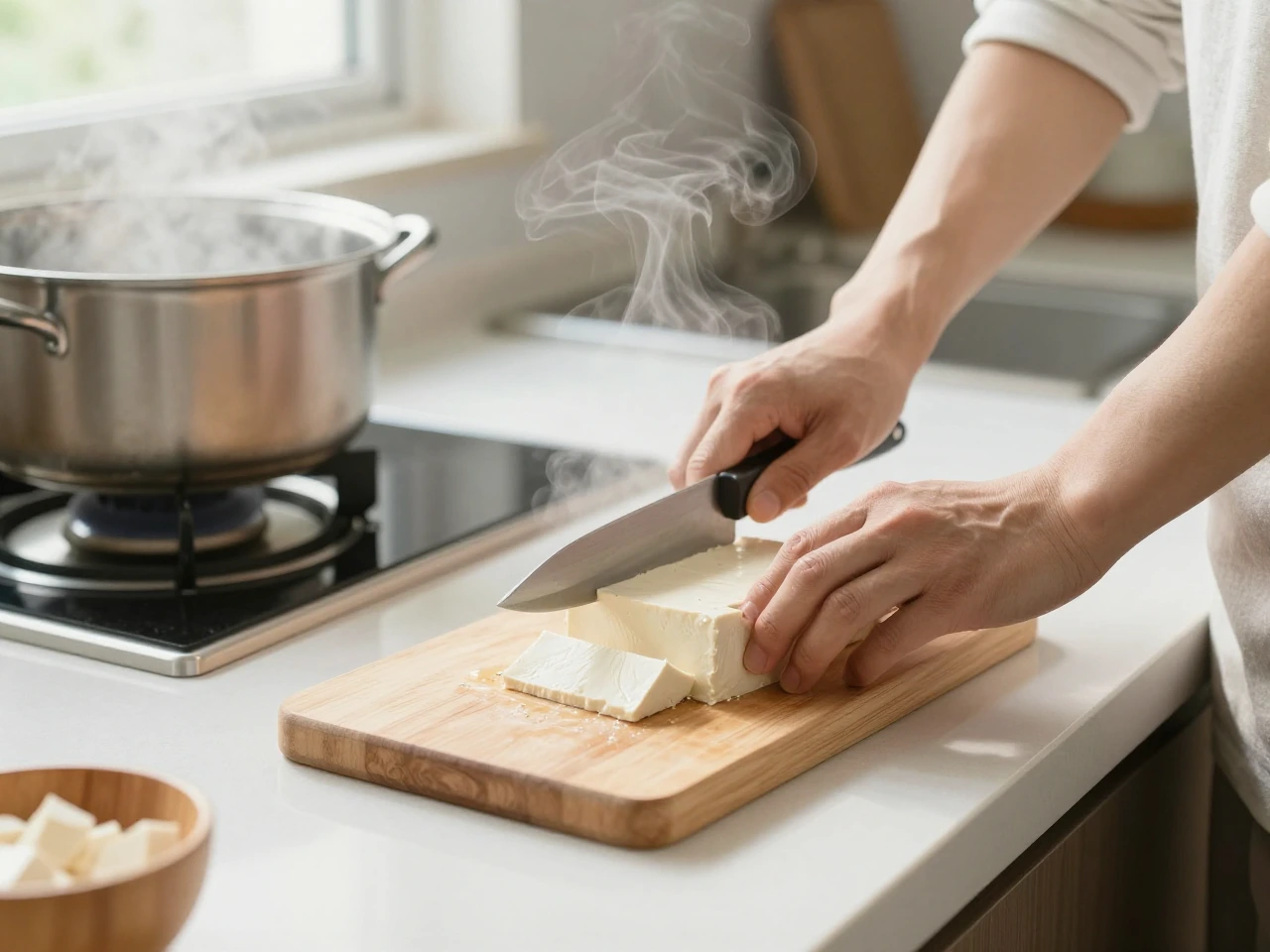
Wondering how do you prepare tofu for cooking without ending up with bland, soggy results? You are not alone. Many home cooks struggle with this versatile soy product because improper handling ruins its natural potential. I have spent years perfecting plant-based techniques in professional kitchens, and I can confirm that proper preparation transforms tofu into a culinary powerhouse.
The secret lies in moisture control, precise cutting, and strategic seasoning. When you remove excess water and apply the right heat, tofu develops a beautiful golden crust while absorbing bold flavors.
Whether you prefer quick weeknight stir-fries or elaborate global dishes, mastering these fundamentals guarantees restaurant-quality texture every time. This guide breaks down every step from pressing to plating so you can cook with confidence.
TL;DR: Quick Overview
- Drain tofu completely and press firmly to remove trapped moisture
- Cut into uniform cubes or slices for even heat distribution
- Season or marinate immediately after pressing for maximum absorption
- Cook using pan, oven, or air fryer for eight to fifteen minutes
- Target golden brown exterior with tender, moist interior
- Store leftovers properly to maintain texture and food safety
What Is Tofu & Why Preparation Matters
Tofu is a plant-based protein crafted from condensed soy milk and coagulated curds. Its neutral taste and spongy structure make it incredibly adaptable to global cuisines. However, that same spongy nature holds significant moisture that dilutes flavor and prevents proper browning.
Removing excess water allows the Maillard reaction to occur efficiently on the surface. This chemical process creates complex savory notes and desirable crispness that define excellent tofu dishes. Proper preparation also improves structural integrity, preventing fragile pieces from crumbling during cooking.
Understanding this food science principle helps you manipulate texture intentionally. You gain control over chewiness, crispness, and flavor absorption through simple mechanical steps. Skipping preparation leaves you with mushy, watery results that disappoint every time.
Types of Tofu (Choose the Right One)
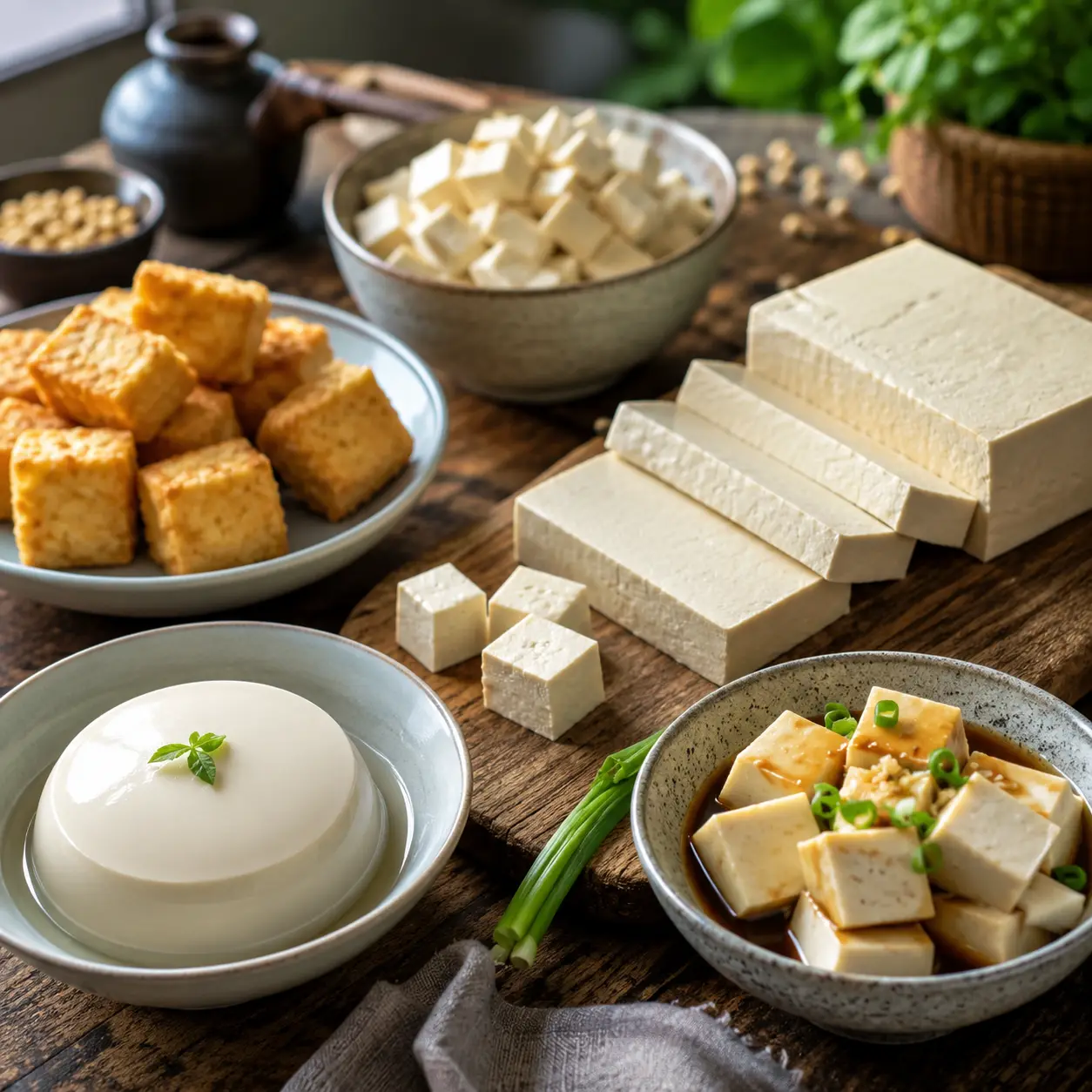
Selecting the correct tofu variety dictates your cooking method and final texture. Firm tofu contains less water and holds its shape well during high-heat applications. It works beautifully for stir-fries, grilling, and cubed preparations where structural integrity matters. The moderate moisture content allows for decent browning while maintaining a pleasant bite.
Extra-firm tofu undergoes additional pressing during manufacturing, yielding the densest texture available. This variety excels when you want maximum crispiness or need to mimic meat-like chewiness in vegetarian dishes. It absorbs marinades more slowly but delivers superior structural performance during aggressive cooking methods.
Soft and silken tofu retain high moisture content and deliver a custard-like consistency. These delicate types suit soups, smoothies, desserts, and chilled salads where gentle handling preserves their structure. Matching the tofu type to your recipe prevents culinary disasters and ensures optimal results. Beginners should start with firm or extra-firm varieties for the most forgiving cooking experience.
How Do You Prepare Tofu for Cooking (Core Method)
The universal preparation method follows a logical sequence that maximizes flavor and texture. Start by draining the packaged liquid and rinsing the block under cool water. Wrap the tofu tightly in clean paper towels or a breathable kitchen cloth. Place the wrapped block on a flat plate and set a heavy object on top. A cast-iron skillet or canned goods work perfectly as improvised weights.
Allow the pressing process to continue for fifteen to thirty minutes depending on your time constraints. This step extracts trapped water and creates a porous structure ready for seasoning.
Cut the pressed block into uniform cubes, slabs, or crumbles based on your intended dish. Toss the pieces in your chosen marinade or dry seasoning blend immediately after cutting. The exposed surface area absorbs flavors rapidly when moisture levels drop sufficiently. Consistent sizing ensures even cooking and predictable textural outcomes across every bite.
How to Cook Tofu for Beginners (Easiest Methods)
Beginners benefit from straightforward techniques that deliver reliable results without advanced skills. Pan frying offers immediate visual feedback and requires only basic stovetop equipment. Air frying provides hands-off convenience while circulating hot air for consistent crispness. Baking allows batch cooking with minimal active supervision and produces evenly textured pieces.
These methods eliminate the intimidation factor often associated with plant-based protein preparation. You simply apply heat, monitor color development, and adjust timing based on visual cues. Each technique preserves nutritional value while transforming bland blocks into flavorful meal components.
Mastering these foundational approaches builds confidence for more complex culinary experiments. You can rotate between methods throughout the week to maintain variety and prevent cooking fatigue.
How to Cook Tofu in a Pan (Most Popular Method)
Pan frying remains the gold standard for achieving professional restaurant texture at home. Heat a heavy skillet over medium-high heat until a drop of water sizzles immediately. Add a thin layer of high-smoke-point oil like avocado or refined coconut oil. Arrange pressed tofu pieces in a single layer without overlapping to ensure direct surface contact.
Allow the pieces to cook undisturbed for three to five minutes until a golden crust forms. Flip carefully using tongs and repeat the process on remaining sides. This technique develops deep browning while keeping the interior tender and moist.
Season with salt and spices during the final minute of cooking to prevent burning. The direct metal contact creates superior textural contrast compared to gentler heating methods. Proper heat management prevents sticking and guarantees consistent caramelization across all surfaces.
How to Cook Tofu in Air Fryer
Air fryers excel at delivering consistent crispness with minimal oil and active monitoring. Preheat the basket to 390°F to ensure immediate surface searing upon contact. Toss pressed tofu cubes lightly in oil and cornstarch for enhanced browning and crunch. Arrange pieces in a single layer with adequate spacing for proper air circulation.
Cook for ten to fifteen minutes, shaking the basket halfway through the cycle. The rapid convection airflow removes surface moisture efficiently while cooking the interior evenly. This method suits busy weeknights when you want restaurant-quality texture without constant flipping. The non-stick basket simplifies cleanup and prevents delicate pieces from breaking apart. You gain reliable results that replicate deep frying with significantly fewer calories.
How to Cook Tofu Without Deep Frying
Health-conscious cooks prefer alternative methods that reduce fat content while preserving satisfaction. Pan frying, baking, and air frying all deliver excellent texture without submerging ingredients in hot oil. These techniques rely on controlled heat application and surface moisture management for crispness. You maintain the nutritional benefits of soy protein while avoiding excessive calorie density.
The absence of heavy oil allows seasonings and marinades to shine more prominently. Baking offers the most hands-off approach for large batches intended for meal prep. Air frying provides the closest texture approximation to traditional deep frying with modern convenience. These methods align with contemporary dietary preferences without sacrificing culinary quality or satisfaction.
Ways to Prepare Firm Tofu (Texture Optimization)
Optimizing firm tofu texture requires strategic manipulation of moisture and surface structure. Freezing the entire block overnight creates ice crystals that expand and rupture the protein matrix. Thawing and pressing the previously frozen block yields a remarkably chewy, meat-like consistency. Coating pieces lightly in cornstarch or arrowroot powder creates a protective barrier that crisps beautifully.
Baking at moderate temperatures for extended periods develops a leathery exterior ideal for salads and grain bowls. Marinating pressed pieces for at least twenty minutes allows flavors to penetrate deeply into the porous structure.
These techniques transform ordinary tofu into versatile components that adapt to any culinary application. You gain complete control over mouthfeel and flavor intensity through simple preparation adjustments. Professional kitchens frequently use these methods to elevate plant-based menus significantly.
How to Cook Tofu Indian Style
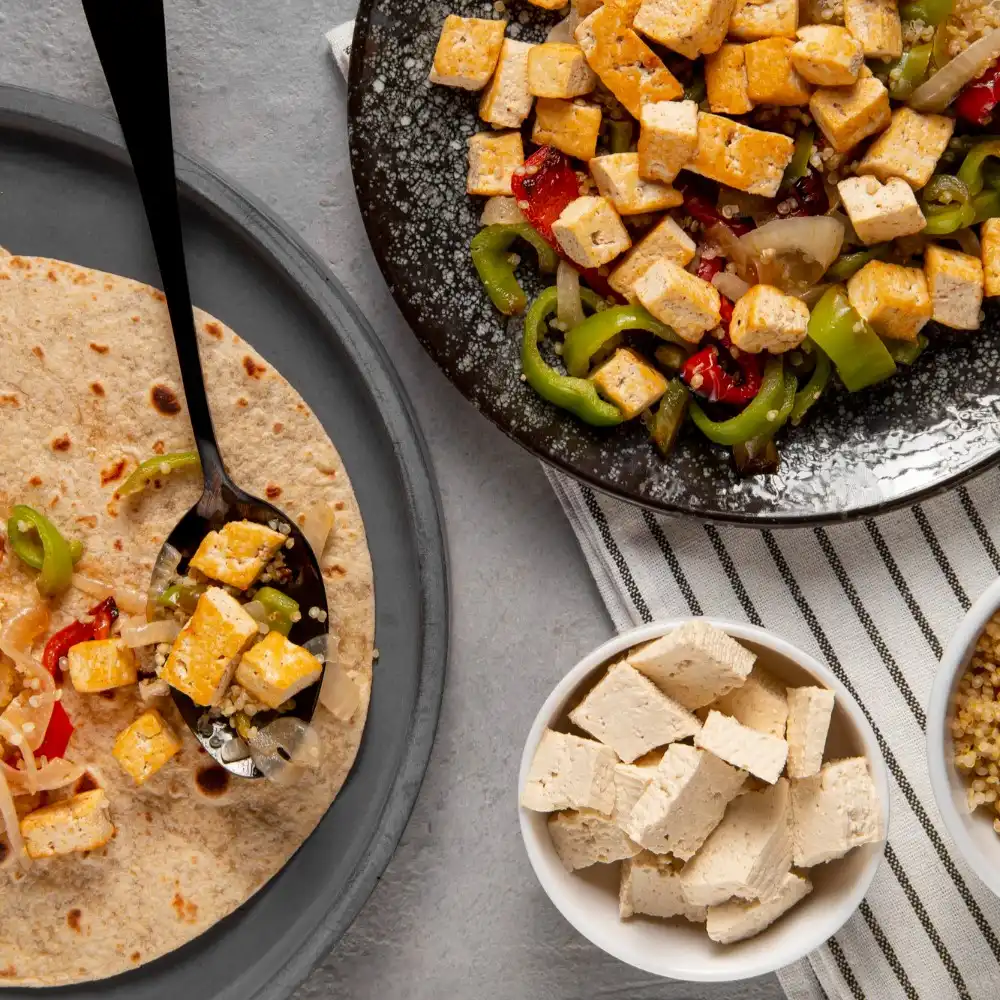
Indian cuisine embraces tofu as a brilliant plant-based alternative to traditional paneer. The preparation begins with pressing firm blocks and cutting them into uniform cubes. Sauté aromatic spices like cumin, turmeric, coriander, and garam masala in hot oil until fragrant. Add diced onions, tomatoes, and ginger-garlic paste to build a rich flavor foundation.
Introduce pressed tofu cubes and simmer gently in the spiced gravy for ten to fifteen minutes. The porous structure absorbs the complex sauce while maintaining structural integrity during cooking.
Finish with fresh cilantro and a splash of cream or coconut milk for authenticity. This adaptation honors traditional techniques while accommodating modern dietary preferences seamlessly. The result delivers bold, comforting flavors that satisfy hearty appetites.
How to Cook Japanese Tofu
Japanese culinary traditions celebrate tofu for its delicate texture and subtle flavor profile. Silken varieties dominate preparations that emphasize gentleness and refinement. Chilled tofu dishes feature cold blocks served with grated ginger, scallions, and soy-based dipping sauces. Miso soup incorporates soft cubes added during the final moments to preserve their fragile structure.
Tofu involves light dusting with potato starch and brief frying before serving in warm dashi broth. These preparations require minimal seasoning and precise temperature control to highlight natural soy characteristics. Handling delicate pieces demands careful utensil use and gentle movement during plating. This approach reflects centuries of culinary philosophy that values simplicity and ingredient purity.
Simple Tofu Recipes
Simple recipes prove that exceptional meals require minimal ingredients and maximum technique. Garlic soy tofu combines pressed cubes with minced garlic, soy sauce, and sesame oil. Crispy tofu bites toss cornstarch-coated pieces in spicy sriracha glaze after air frying. Tofu stir fry pairs sautéed vegetables with pan-fried cubes and a light ginger sauce.
These straightforward preparations deliver restaurant-quality results in under twenty minutes. You can customize spice levels and vegetable combinations based on seasonal availability. The core techniques remain consistent regardless of flavor variations or dietary restrictions. Mastering these foundational recipes builds a reliable repertoire for everyday cooking. You eliminate decision fatigue while maintaining nutritional balance and culinary satisfaction.
Healthy Tofu Recipes for Weight Loss
Tofu supports weight management goals through high protein density and low calorie content. A standard serving provides complete amino acids without the saturated fat found in animal proteins. Grilled tofu bowls combine seasoned slabs with roasted vegetables and quinoa for sustained energy. Tofu salads feature cubed pieces tossed with leafy greens, avocado, and citrus vinaigrette.
The high satiety factor reduces overall calorie consumption while preserving muscle mass during fat loss. These preparations emphasize whole ingredients and minimal processing for optimal nutritional value. You can adjust portion sizes and macronutrient ratios to align with specific fitness objectives. Regular consumption supports metabolic health and long-term dietary sustainability without deprivation.
How Long Do You Cook Tofu?
Cooking duration depends entirely on your chosen method and desired texture outcome. Pan frying typically requires eight to twelve minutes for golden edges and tender centers. Air frying completes the process in ten to fifteen minutes with consistent crispness throughout. Baking demands twenty to twenty-five minutes at 400°F for evenly dehydrated exteriors.
Visual cues remain more reliable than rigid timers for determining perfect doneness. Look for uniform browning and slight firmness when pressing pieces gently with a spatula. Overcooking leads to dryness and diminished flavor absorption capacity. Adjust timing based on piece thickness and appliance calibration for consistent results.
Tofu Cooking Instructions (Universal Guide)
The universal formula simplifies preparation into four reliable stages for consistent success. Pressing removes excess moisture and creates a receptive surface for seasoning. Cutting ensures uniform cooking and predictable texture across every bite. Seasoning introduces flavor compounds that penetrate porous structures during heating.
Cooking applies controlled heat to develop desirable browning and structural integrity. Following this sequence eliminates guesswork and prevents common beginner mistakes. You can apply this framework to any cuisine, appliance, or dietary preference. Consistency improves dramatically when you respect each stage and avoid rushing the process.
Common Mistakes to Avoid
Skipping the pressing stage leaves tofu watery and incapable of proper browning. Using low heat prevents surface dehydration and results in pale, soggy pieces. Neglecting seasoning produces bland results that disappoint regardless of cooking technique. Overcrowding the pan traps steam and eliminates direct contact with hot surfaces.
Adding wet marinades too early dilutes flavors and lowers pan temperature unexpectedly. Cutting uneven pieces creates inconsistent cooking times and mixed texture outcomes. Ignoring visual cues and relying solely on timers leads to overcooked or undercooked results. Avoiding these pitfalls guarantees professional-quality texture and flavor every time.
Pro Chef Tips (E-E-A-T Authority Section)
Professional kitchens rely on precision techniques that elevate ordinary ingredients to exceptional standards. Freezing tofu overnight creates a honeycomb structure that absorbs marinades dramatically. Dusting pieces lightly with cornstarch before heating guarantees restaurant-style crispness without heavy oil. Marinating for at least twenty minutes allows flavors to penetrate beyond the surface layer.
Cooking on medium-high heat ensures rapid surface browning while preserving interior moisture. Resting cooked pieces briefly before serving allows internal juices to redistribute evenly. These practices reflect years of culinary testing and continuous refinement. Applying professional standards transforms home cooking into consistently impressive dining experiences.
Food Safety & Storage
Proper handling prevents contamination and preserves quality throughout preparation and storage. Refrigerate unopened packages according to manufacturer dates and discard if packaging appears swollen. Store opened tofu submerged in fresh water within airtight containers for up to three days. Refrigerate cooked portions within two hours to prevent bacterial growth and maintain safety.
Consume leftovers within three to four days for optimal texture and flavor retention. Reheat gently to avoid further moisture loss and preserve structural integrity. Always use clean utensils and surfaces when handling raw or cooked soy products. Following these guidelines ensures safe consumption and reduces food waste significantly.
Frequently Asked Questions
Do you need to press tofu before cooking?
Yes, pressing removes excess water and significantly improves texture and flavor absorption. Firm and extra-firm varieties benefit most from this essential step.
What is the easiest way to cook tofu?
Pan frying and air frying deliver reliable results with minimal technique requirements. Both methods produce excellent browning and tender interiors consistently.
Can you eat tofu raw?
Yes, commercially produced tofu is safe to consume without cooking. Heating significantly improves flavor development and textural appeal, though.
Why is my tofu soggy?
Insufficient pressing or overcrowding the cooking surface traps excess moisture. Ensure proper drainage and adequate spacing for optimal crispness.
How do you make tofu crispy?
Press thoroughly, coat lightly with cornstarch, and cook at medium-high heat. Air frying or pan frying yields the best crunchy results.
Conclusion
Mastering how do you prepare tofu for cooking unlocks endless culinary possibilities with minimal effort. This versatile plant-based protein transforms from bland blocks into flavorful, texturally satisfying meal components when handled correctly. Understanding moisture control, proper pressing techniques, and strategic heat application guarantees consistent results across every recipe.
Whether you choose quick pan-frying, convenient air frying, or traditional global preparations, success depends on respecting fundamental food science principles. Always prioritize proper storage and food safety guidelines to maintain quality and prevent waste. With these professional techniques, you will confidently create nutritious, delicious dishes that satisfy diverse dietary preferences.
Start practicing these methods tonight and experience the dramatic difference proper preparation makes. Your kitchen will benefit from this affordable, sustainable protein source. Perfect tofu preparation today leads to healthier, more exciting meals tomorrow.