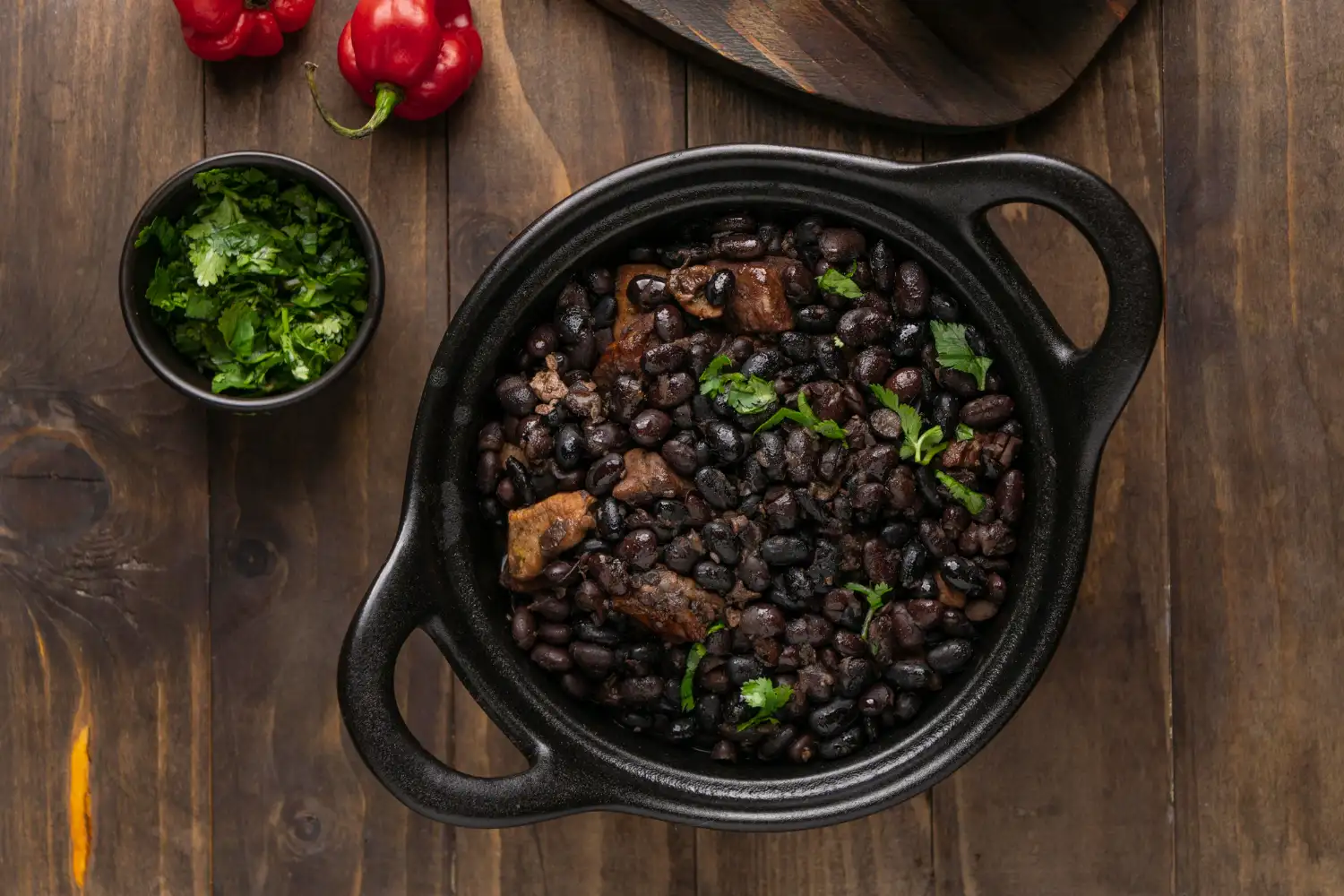
Wondering how to cook black beans for quick, nutritious meals? You have come to the right place. This versatile legume delivers protein, fiber, and rich flavor to any dish. I have tested countless bean recipes in professional test kitchens.
Mastering proper technique prevents mushy textures and bland results. Black beans cook beautifully from canned or dry using multiple methods.
Understanding timing and seasoning unlocks restaurant-quality outcomes at home. Whether you prefer stovetop simmering, Instant Pot speed, or slow cooker convenience, this guide covers every approach. You will learn exact ratios, precise timing, and flavor-boosting tricks. Let us transform simple black beans into your weeknight staple.
TL;DR: Quick Overview
- Canned beans heat in five to ten minutes with seasoning
- Dry soaked beans require sixty to ninety minutes stovetop
- Instant Pot cooks dry beans in twenty-five to thirty-five minutes
- No-soak methods work but extend cooking time significantly
- Always rinse canned beans to reduce sodium content
- Target tender texture with beans that hold their shape
What Is the Best Way to Cook Black Beans?
Black beans offer incredible versatility across cooking methods and cuisines. Canned varieties provide convenience for rushed weeknight dinners. Dry beans deliver superior flavor and texture when cooked properly. Stovetop simmering allows precise control over doneness and seasoning.
Pressure cookers dramatically reduce cooking time while preserving nutrients. Slow cookers offer hands-off preparation for meal prep batches. Choose your method based on available time and desired outcome. Each technique produces excellent results when you follow proper guidelines. Understanding these options empowers confident bean cooking every time.
Types of Black Bean Preparation Methods
Canned black beans require minimal preparation for immediate use. Simply drain, rinse, and heat with your preferred seasonings. This method saves valuable time during busy cooking sessions. Dry black beans need sorting, rinsing, and optional soaking before cooking.
Soaking reduces cooking time and improves digestibility significantly. The extra effort rewards you with richer flavor and better texture. Pressure cooking transforms dry beans quickly without pre-soaking. This appliance method suits spontaneous meal planning perfectly. Slow cooking provides gentle, even heat for hands-off preparation.
How to Cook Black Beans from a Can
Start by draining canned beans in a colander under cold water. Rinsing removes excess sodium and the starchy packing liquid. This simple step improves flavor and reduces bloating risks. Heat a skillet over medium heat with one tablespoon of oil. Add minced garlic and diced onion, sautéing until fragrant. Toss in rinsed beans and your chosen spices gently.
Simmer for five to ten minutes, stirring occasionally to prevent sticking. Add a splash of broth or water if the pan becomes dry. Finish with fresh lime juice and chopped cilantro for brightness. This approach works perfectly for tacos, burrito bowls, or quick sides.
How to Cook Black Beans from Dry
Sort dry beans on a clean surface to remove debris or stones. Rinse thoroughly under cold running water in a fine-mesh strainer. Soaking overnight reduces cooking time and improves texture. Place soaked beans in a large pot with fresh water covering by two inches.
Bring to a boil, then reduce heat to a gentle simmer. Cook for forty-five to sixty minutes until tender but intact. Season with salt during the final fifteen minutes of cooking. Adding salt too early can toughen bean skins unexpectedly. Taste for doneness and adjust seasoning before serving. This traditional method yields the deepest flavor and best texture control.
How to Cook Black Beans After Soaking
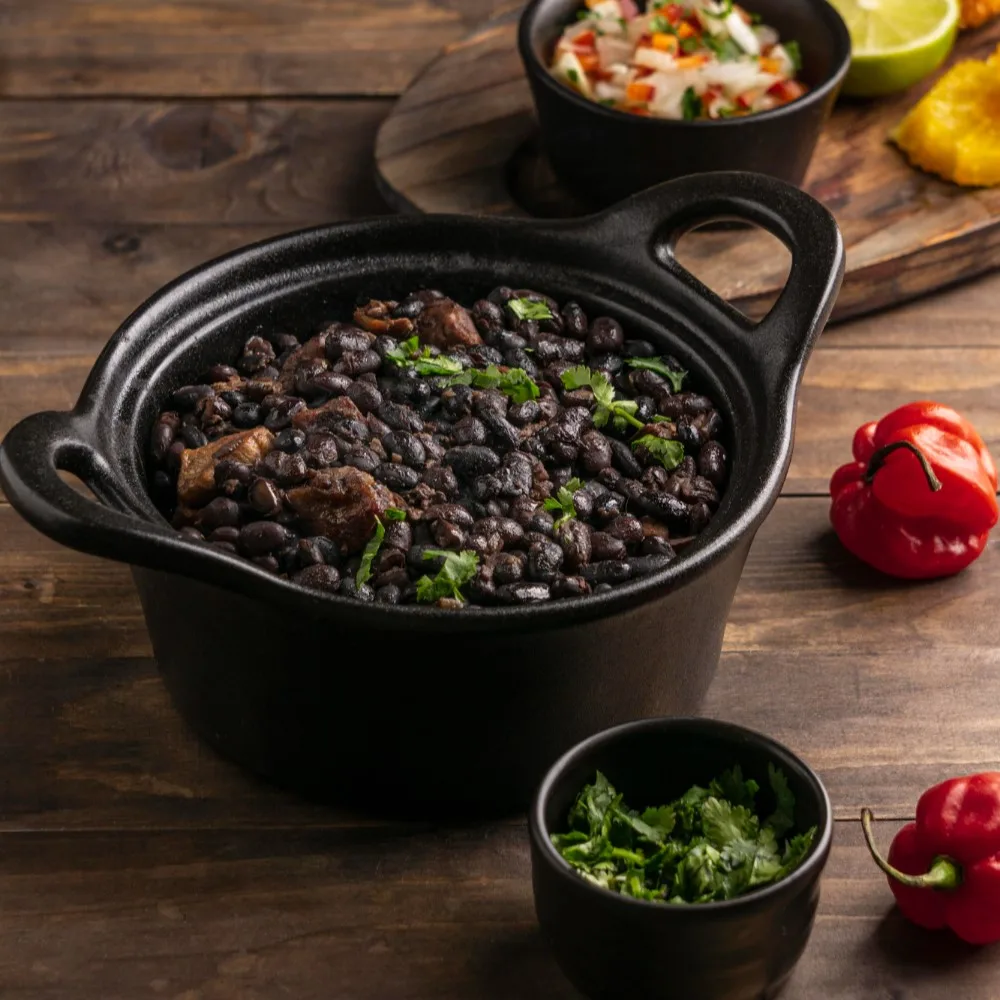
Overnight soaking transforms dry beans into tender, digestible ingredients. Drain soaked beans and rinse under cold water before cooking. This step removes compounds that cause digestive discomfort. Cook soaked beans in fresh water or broth for best flavor.
Maintain a gentle simmer to prevent beans from breaking apart. Stir occasionally to ensure even heat distribution throughout the pot.Soaked beans cook faster and more evenly than unsoaked varieties. This method yields consistent results for meal prep and batch cooking. Plan ahead to maximize efficiency and nutritional benefits. Your future self will thank you for the preparation.
How to Cook Black Beans Fast Without Soaking
The Instant Pot offers the quickest method for unsoaked black beans. Add one cup dry beans to three cups water or broth. Cook on high pressure for thirty-five to forty minutes total. Allow natural pressure release for ten minutes before quick releasing remaining steam.
This technique prevents beans from splitting during rapid depressurization. Season after cooking for optimal flavor absorption. The quick-soak stovetop method provides an alternative without special equipment. Boil beans for two minutes, then remove from heat and cover.
Let stand for one hour before draining and cooking normally. This hybrid approach balances speed with traditional texture results.
How to Cook Black Beans on Stove
Stovetop cooking offers precise control over texture and seasoning development. Use a heavy-bottomed pot to distribute heat evenly and prevent scorching. Add beans with enough liquid to cover by two inches minimum. Bring to a boil, then immediately reduce heat to maintain gentle simmer.
Rapid boiling causes beans to break apart and become mushy. Stir occasionally to prevent sticking on the pot bottom. Cook until beans are tender but still hold their shape. Taste frequently during the final fifteen minutes to monitor doneness. Season with salt and aromatics during the last stage of cooking. This method rewards patience with exceptional flavor and texture.
How to Cook Black Beans in Instant Pot
Pressure cooking transforms dry black beans quickly and efficiently. Use a one-to-three ratio of beans to liquid for optimal results. Add aromatics like onion, garlic, and bay leaves for depth. Seal the lid and select manual high pressure for twenty-five minutes soaked beans.
Increase to thirty-five minutes for unsoaked beans to ensure tenderness. Allow ten minutes natural release before quick releasing remaining pressure.
This method preserves nutrients while delivering restaurant-quality texture consistently. The sealed environment prevents flavor loss during extended cooking times. Perfect for meal prep batches and spontaneous dinner planning. Your Instant Pot becomes a powerful tool for healthy, efficient cooking.
How to Cook Black Beans in Crock Pot
Slow cooking provides hands-off convenience for busy schedules. Add sorted, rinsed beans to the crock pot with covering liquid. Include aromatics and spices for infused flavor development. Cook on low for six to eight hours or high for three to four hours.
Check tenderness during the final hour of cooking time. Season with salt during the last thirty minutes for best results. This gentle method produces creamy, flavorful beans with minimal supervision. Ideal for weekend meal prep or overnight cooking while you sleep. The extended time allows flavors to meld beautifully. Wake up to perfectly cooked beans ready for any recipe.
How to Cook Black Beans for Tacos
Seasoned black beans elevate taco night with authentic Mexican flavor. Heat rinsed canned beans with cumin, chili powder, and garlic. Add a splash of broth to create a saucy consistency. Mash a portion of beans lightly with a fork for varied texture.
This technique helps beans adhere to tortillas without becoming pasty. Finish with fresh lime juice and chopped cilantro. Serve warm alongside seasoned protein and fresh toppings. These beans complement fish, chicken, or plant-based taco fillings perfectly. Prepare a double batch for easy weeknight meal assembly. Your family will love the restaurant-quality results at home.
How to Cook Black Beans with Rice
Black beans and rice create a complete protein when paired together. Cook beans and rice separately for optimal texture control. Combine finished components with shared seasonings for unity. Sauté onion, garlic, and bell pepper as a flavor base.
Add cooked beans and rice to the aromatic mixture gently. Stir in broth, cumin, and oregano for cohesive seasoning. Simmer together for five minutes to allow flavors to meld. This classic combination works as a side dish or main course. Garnish with fresh herbs and lime wedges for brightness. This nutritious pairing satisfies hunger while delivering essential nutrients.
Flavor Variations for Black Beans
Experiment with global spices to transform basic black beans. Cuban-style beans benefit from oregano, cumin, and a splash of vinegar. Brazilian feijoada incorporates smoked meats and bay leaves for richness. Caribbean preparations add coconut milk and scotch bonnet peppers.
Mediterranean versions feature lemon zest, rosemary, and olive oil. These variations keep meal prep exciting while maintaining nutritional value. Start with one new spice blend per week to build your repertoire. Your palate will expand alongside your cooking confidence.
Common Mistakes to Avoid
Skipping the rinse step on canned beans leaves excess sodium. This oversight impacts flavour balance and nutritional quality significantly. Always drain and rinse under cold water before heating. Overcooking transforms tender beans into mushy, unappealing texture.
Monitor doneness closely during the final cooking stage. Remove from heat when beans are tender but still hold shape. Adding salt too early toughens bean skins and extends cooking time. Season during the final fifteen minutes for optimal results. Taste and adjust gradually to avoid over-salting. These simple adjustments prevent frustrating kitchen failures.
Pro Chef Tips for Perfect Black Beans
Cook beans with aromatics like onion, garlic, and bay leaves. These ingredients infuse subtle depth without overwhelming the bean’s natural flavor. Remove whole spices before serving for clean presentation. Use broth instead of water for richer, more complex results.
Chicken, vegetable, or beef broth adds savory notes that elevate simple beans. This small change makes a significant flavor difference. Add acid like lime juice or vinegar at the end of cooking. Acid brightens flavors and balances the earthiness of black beans beautifully. This finishing touch transforms good beans into exceptional ones. Professional techniques become accessible with practice and attention.
Food Safety Guidelines for Black Beans
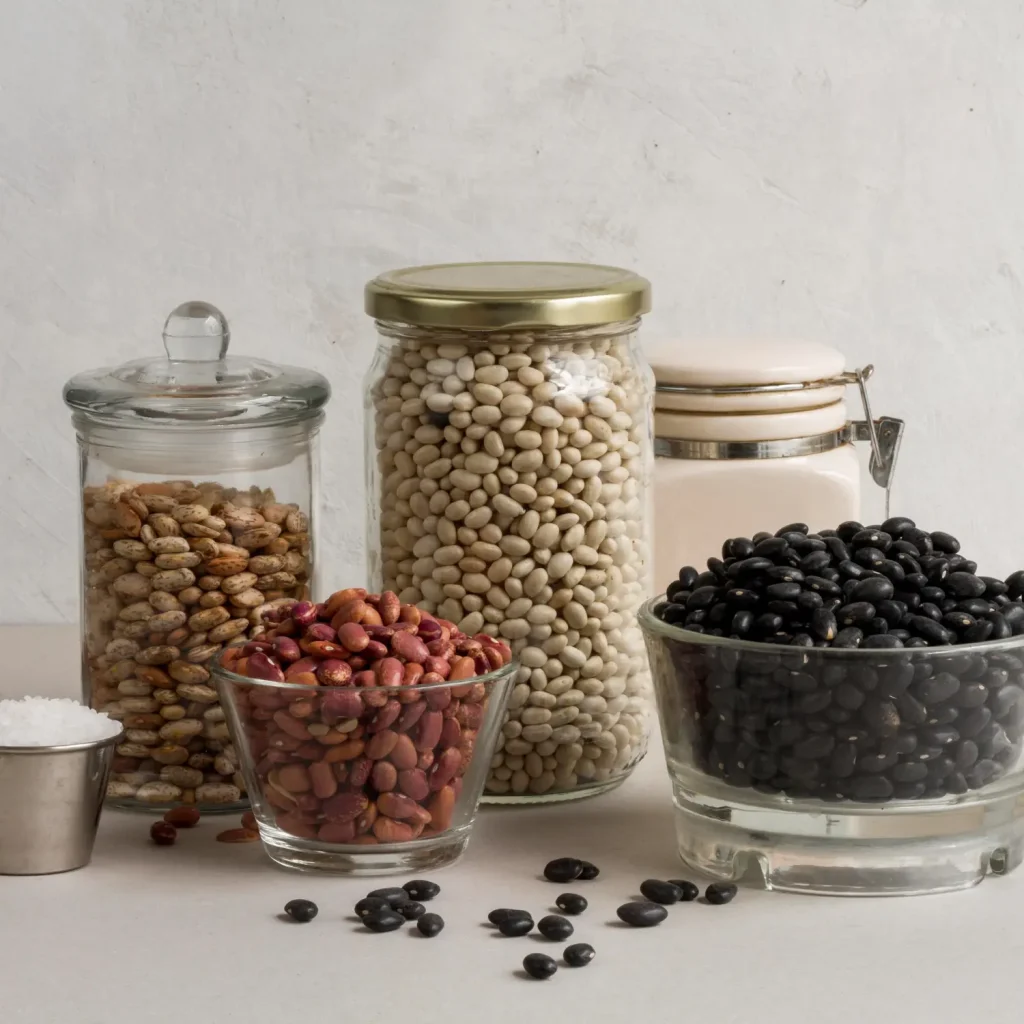
Store cooked black beans in airtight containers within two hours of cooking. Refrigerate promptly to prevent bacterial growth and maintain freshness. Consume within three to four days for best quality. Reheat beans thoroughly to an internal temperature of 165°F before serving.
Use a calibrated thermometer to verify safe temperatures consistently. This practice prevents foodborne illness risks effectively. Freeze leftover beans in portion-sized containers for future meals. Label with preparation dates to track storage time accurately. Thaw overnight in refrigerator before reheating for best texture. Following these guidelines ensures healthy, safe meals every time.
Frequently Asked Questions
Do you need to soak black beans before cooking?
Soaking is not required but reduces cooking time and improves digestibility. Overnight soaking yields the most consistent results for stovetop methods.
How long do black beans take to cook on the stove?
Soaked beans require forty-five to sixty minutes of gentle simmering. Unsoaked beans need sixty to ninety minutes for tender results.
Can you eat black beans straight from the can?
Yes, canned beans are pre-cooked and safe to eat cold. Heating with seasonings significantly improves flavor and texture though.
Why are my black beans still hard after cooking?
Old beans or insufficient cooking time cause persistent hardness. Ensure beans are fresh and cook until tender throughout.
What spices pair best with black beans?
Cumin, garlic, chili powder, and oregano create authentic Mexican flavor. Add lime juice at the end for bright, balanced results.
Conclusion
Mastering how to cook black beans unlocks endless meal possibilities with minimal effort. This nutrient-dense legume adapts beautifully to canned convenience or dry bean authenticity.
Understanding proper timing, seasoning, and safety ensures consistently delicious results. Whether you choose stovetop simmering, Instant Pot speed, or slow cooker ease, success depends on respecting bean chemistry.
Always rinse canned varieties and season dry beans thoughtfully for optimal flavor. With these techniques, you will confidently prepare protein-rich meals that satisfy and nourish.
Start with simple recipes to build intuition before experimenting with complex flavor profiles. Your kitchen will benefit from this versatile, budget-friendly staple. Perfect black beans today lead to healthier, tastier meals tomorrow. Embrace the versatility and nutrition this humble ingredient offers your family.