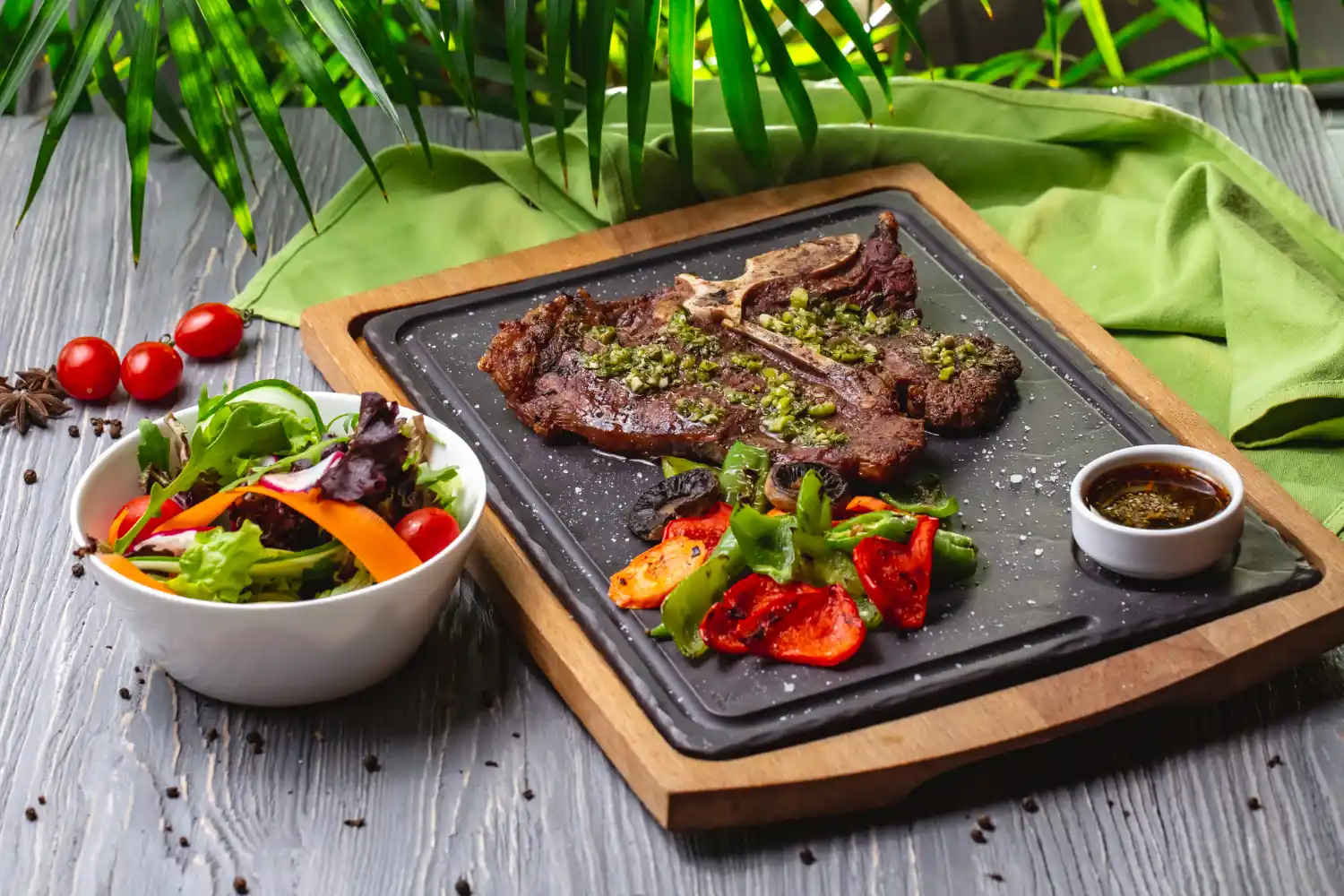
First of all, welcome to your ultimate kitchen guide. Are you craving that smoky, tender BBQ flavor but simply do not want to stand outside over a hot smoker all day? Learning exactly how to cook ribs in the oven is the absolute best culinary trick you can master. It is surprisingly easy, highly consistent, and delivers mouth-watering results right in your own kitchen.
Many home cooks assume you need expensive outdoor equipment to achieve that legendary, fall-off-the-bone tenderness. However, your standard kitchen appliance is essentially a highly controlled roasting box.
By understanding basic heat transfer and proper meat preparation, you can replicate world-class BBQ entirely indoors. Consequently, you will save immense time and effort while effortlessly feeding a hungry crowd.
In this comprehensive guide, we will break down the exact temperatures, timing, and professional techniques required. Let’s dive into the foolproof methods for achieving perfect results every single time.
TL;DR: Quick Overview
- Best Overall Method: Low and slow roasting at 250°F for 2.5 to 3 hours.
- Faster Alternative Method: Baking at 350°F for approximately 2 hours.
- Quickest Emergency Method: Roasting at 400°F for 1 to 1.5 hours (yields a much less tender bite).
- Foil Technique: Wrapping the meat tightly in aluminum foil locks in crucial moisture.
- The Perfect Finish: Briefly broil or grill the racks at the very end for sticky caramelization.
What Is the Optimal Way to Make Ribs in the Oven?
The absolute best way to make this dish indoors is using a low and slow temperature approach. Specifically, setting your appliance to 250°F creates the perfect ambient environment for tough meat.
When you roast meat at this low temperature, something magical happens on a chemical level. The tough connective tissues, known primarily as collagen, slowly begin to break down and melt.
According to culinary experts at The Culinary Institute of America, this collagen converts into rich, liquid gelatin. This gelatin coats the muscle fibers, resulting in that incredibly tender, juicy bite everyone loves.
Furthermore, this slow rendering process allows the fat to melt beautifully, basting the meat continuously. If you rush this process with high heat, the collagen tightens up, leaving you with dry, chewy meat.
Choosing the Right Temperature for Baking
Selecting the correct heat setting completely dictates the final texture of your meal. Different temperatures offer a trade-off between absolute tenderness and sheer speed.
Low and Slow at 250°F (120°C)
If you have the time, 250°F is undoubtedly the gold standard for indoor BBQ. You will need to dedicate about 2.5 to 3 hours of baking time. Because the heat is so gentle, it practically guarantees a perfect, melt-in-your-mouth texture. This method requires patience, but the resulting flavor and tenderness are unmatched.
Balanced Roasting at 350°F (175°C)
Sometimes, you simply cannot wait three hours for dinner. If so, setting your dial to 350°F provides a fantastic middle ground. At this temperature, the cooking time drops down to roughly two hours. You still achieve a very good, satisfying texture, though it won’t be quite as delicate as the slower method.
Hot and Fast at 400°F (200°C)
Perhaps you need a meal on the table very quickly. You can blast the racks at 400°F for about 1 to 1.5 hours. However, you must temper your expectations with this rapid method. The meat will be fully cooked and tasty, but it will require significantly more chewing effort.
Baking Timetable and Heat Chart
To make your meal planning easier, reference this quick visual guide. It breaks down the optimal times based on the specific cut and your chosen heat level.
| Rib Type | Temperature | Estimated Time | Culinary Notes |
| Baby Back | 250°F | 2.5–3 hrs | Leaner meat, very tender result |
| Pork Spare | 250°F | 3–3.5 hrs | More fat content, richer flavor profile |
| Baby Back | 350°F | ~2 hrs | Excellent faster option for weeknights |
| Any Cut | 400°F | 1–1.5 hrs | Quick emergency method, less delicate |
Exact Timing for Oven-Baked BBQ
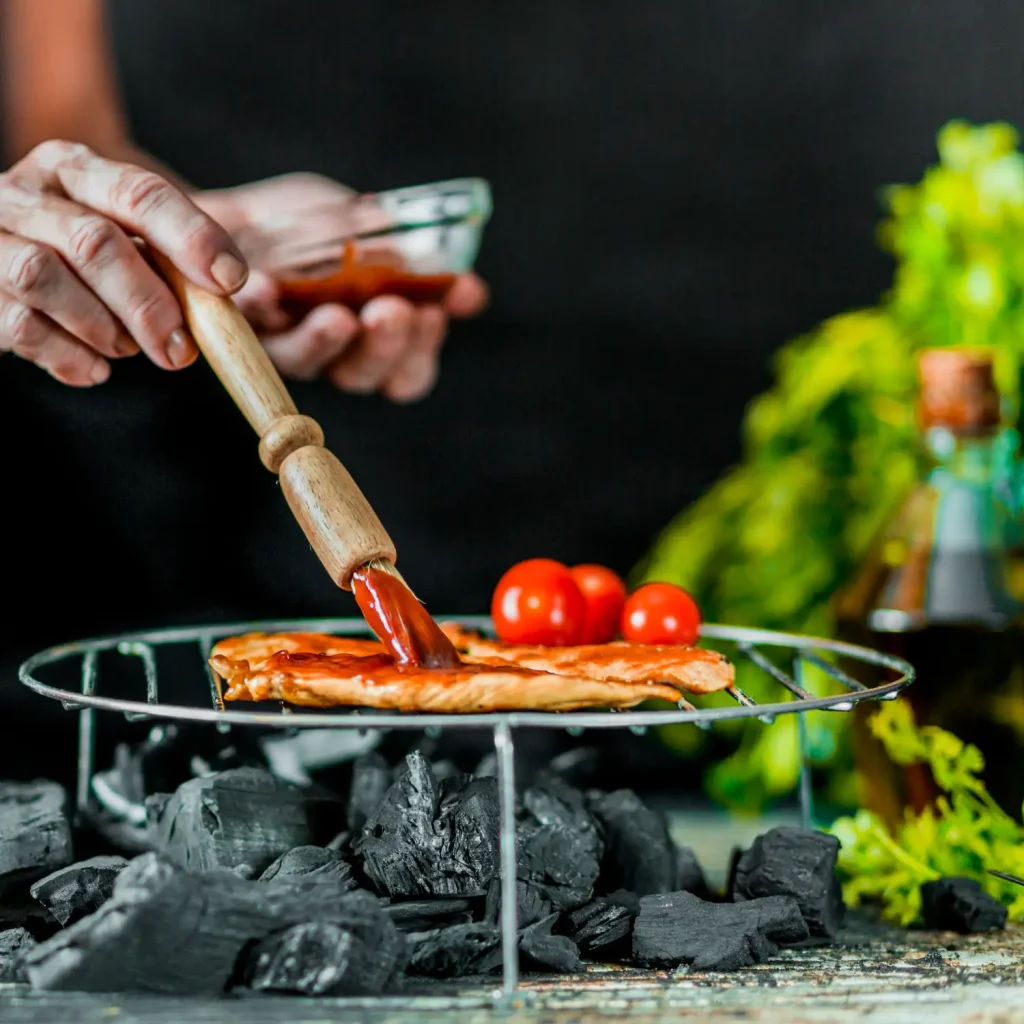
Many beginners frequently ask exactly how long this process takes. The short answer is that it takes 2.5 to 3 hours at 250°F, or about 2 hours at 350°F.
However, the exact timing always depends heavily on the specific thickness of your cut. A massive rack of spare ribs will inherently take longer than a petite rack of baby backs.
Therefore, you should always rely on visual cues and physical tenderness rather than just a clock. When the meat visibly pulls away from the bone ends, you are very close to the finish line.
Step-by-Step Instructions for Perfect Results
Mastering this recipe requires the right tools and a systematic approach. Follow these precise directions to ensure absolute success on your first attempt.
Essential Kitchen Tools
First, you need a heavy-duty, rimmed baking sheet to catch any rendered fat. Next, gather plenty of heavy-duty aluminum foil or high-quality parchment paper.
You will also need a reliable digital meat thermometer to verify internal safety. Finally, keep a silicone basting brush handy for applying your favorite sticky sauce.
Required Ingredients
Start with one to two racks of high-quality pork (either baby back or spare cuts). Next, prepare a generous amount of your favorite dry rub.
A great basic rub includes kosher salt, black pepper, smoked paprika, and garlic powder. Finally, have a bottle of your preferred BBQ sauce ready for the finishing glaze.
The Foolproof Preparation Method
Begin by preheating your appliance to exactly 250°F. While it heats up, flip your racks over and peel off the tough, silvery membrane from the back. Next, massage your dry rub aggressively into both sides of the meat. Place the seasoned racks onto your foil-lined baking sheet.
For the absolute best results, wrap another layer of foil tightly over the top. Slide the tray into the middle rack and bake undisturbed for 2.5 to 3 hours.
Once tender, carefully remove the top foil and brush on your BBQ sauce. Finally, switch your appliance to the broil setting and blast the meat for 5 to 10 minutes until caramelized.
Critical Food Safety Guidelines
As an appliance tech and culinary expert, I take food safety incredibly seriously. The USDA mandates that all pork products must reach a minimum internal temperature of 145°F.
However, checking for safety is very different from checking for BBQ perfection. For maximum tenderness, you actually want the internal temperature to hit between 190°F and 203°F.
At this elevated temperature, all the tough connective tissues have completely liquefied. Always sanitize your hands and countertops immediately after handling the raw pork.
Baking Your Meat Wrapped in Foil
Using aluminum foil is a legendary technique used by competitive pitmasters. This strategy is widely known in the BBQ community as the “Texas Crutch.”
Wrapping the meat tightly traps all the evaporating moisture inside the foil packet. Consequently, the meat essentially braises in its own delicious juices.
This environment significantly speeds up the cooking process while totally preventing the exterior from drying out. For an extra flavor boost, try adding a splash of apple juice or a few pats of butter inside the foil before sealing it.
Roasting Without Aluminum Foil
Some traditionalists absolutely refuse to use the foil-wrapping method. If you prefer a firmer exterior bark, cooking uncovered is entirely possible.
The key tip here is to strictly use the lowest temperature setting (250°F). Additionally, you should place the meat on a wire rack elevated above the baking sheet.
This allows the hot air to circulate freely around the entire rack, creating a beautiful crust. Just remember to baste the surface periodically with apple cider vinegar to prevent severe drying.
Accelerated Methods for Faster Cooking
We all have those hectic evenings where time is completely limited. If you cannot spare three hours, you can utilize these accelerated methods.
The Two-Hour 350°F Strategy
Bumping the heat up to 350°F cuts your waiting time almost in half. This takes about two hours and offers a very respectable balance of speed and tenderness.
You should definitely keep the meat wrapped tightly in foil for this method. The higher ambient heat will rapidly dry out exposed muscle fibers if left unprotected.
The One-Hour 400°F Strategy
If you are in a true culinary emergency, dial the heat up to 400°F. Your meal will be fully safe to eat in just 1 to 1.5 hours. However, you must accept that the texture will resemble a standard pork chop rather than traditional BBQ. The rapid heat simply does not give the tough collagen enough time to break down properly.
Can You Prepare Them in Just 30 Minutes?
You will often see internet hacks promising perfect BBQ in half an hour. I must provide an honest reality check here.True, tender, fall-off-the-bone results absolutely cannot be achieved in 30 minutes in a standard oven. The chemical breakdown of meat simply takes longer than that.
If you truly need dinner in thirty minutes, you must use a pressure cooker first. You can pressure cook the racks for 25 minutes, then finish them under your oven’s broiler for a quick char.
Specific Guidelines for Baby Back Cuts

Baby back cuts are harvested from the upper portion of the pig’s rib cage. Consequently, they are significantly leaner and much more delicate than other options.
Because they contain less dense fat, they cook considerably faster. You should carefully monitor them at the 2-hour mark if baking at 250°F. If you leave them in too long, the lean meat will dry out and become chalky.
Handling Standard Pork Spare Ribs
Spare cuts are taken from the lower belly area of the animal. Therefore, they are substantially meatier, flatter, and contain much more intramuscular fat.
Because of this dense structure, they require a longer cooking duration. You should plan for a full 3 to 3.5 hours at 250°F to fully render that rich belly fat. Many people prefer trimming these down into “St. Louis style” cuts for a more uniform presentation.
Oven-Baking First, Then Finishing on the Grill
Do you want the ultimate combination of indoor convenience and outdoor flavor? You should absolutely try a hybrid cooking approach. First, bake the racks indoors using the low and slow foil method until they are perfectly tender. Next, carefully transfer the cooked slabs out to a blazing hot outdoor grill.
Brush them generously with sauce and sear them over the open flames for 5 to 10 minutes. This method gives you perfect internal tenderness while adding authentic smoky char to the exterior.
Common Culinary Mistakes to Avoid
Even experienced home chefs can easily ruin an expensive cut of meat. The most common mistake is forgetting to remove the papery membrane from the bone side.
If left on, this membrane becomes incredibly rubbery and blocks flavors from penetrating the meat. Secondly, many people make the mistake of applying sugary sauces too early. Sugary BBQ sauce will burn aggressively if exposed to high heat for too long. Always save the sauce for the final 10 minutes of the cooking process.
Pro Chef Tips for Unforgettable Flavor
To truly elevate your meal, try incorporating a few professional kitchen secrets. First, apply your dry rub the night before and let the meat rest in the refrigerator.
This dry-brining process allows the salt to penetrate deeply, seasoning the muscle right down to the bone. Next, if your appliance has a convection fan setting, use it during the final broiling stage. The circulating air creates a beautifully even, sticky crust across the entire surface. Finally, always let the meat rest on a cutting board for 10 to 15 minutes before slicing into it.
Frequently Asked Questions
What exact temperature produces the best results indoors?
A setting of 250°F is universally considered the best choice. This low heat provides the necessary time for tough connective tissues to melt into tender gelatin.
How much time is required if baking at 350 degrees?
At 350°F, you should expect the process to take approximately two hours. This is an excellent, time-saving method that still yields a satisfying, juicy bite.
Is it possible to prepare this dish very quickly?
Yes, you can safely cook them at 400°F in roughly 1 to 1.5 hours. However, the final texture will be significantly firmer and much less delicate than the slow-roasted versions.
Should I wrap the meat in aluminum foil?
Yes, wrapping tightly in foil is highly recommended by professionals. It acts as a braising environment, locking in critical moisture and accelerating the overall tenderizing process.
Can I finish my indoor-baked meal on an outdoor grill?
Absolutely! Moving tender, fully cooked slabs to a hot grill for the final ten minutes is brilliant. It adds incredible caramelized texture and authentic smoky flavor to the exterior.
Conclusion
Mastering how to cook ribs in the oven guarantees you will become a backyard BBQ hero without ever leaving your kitchen. By prioritizing low and slow temperatures, you allow the meat to undergo a beautiful chemical transformation.
Remember, patience is truly your best ingredient when handling tough cuts of pork. Using the 250°F method ensures that the collagen melts flawlessly, providing that legendary, fall-off-the-bone experience.
However, knowing how to utilize the faster 350°F method gives you incredible flexibility for busy weeknight dinners. Always remember to peel the membrane, utilize the foil-wrapping technique, and save your sugary sauces for the very end.
Combining the reliability of indoor baking with a quick finish under the broiler or on an outdoor grill yields perfection. By following these precise instructions and avoiding common pitfalls, you will serve restaurant-quality meals every single time. Grab your favorite dry rub, preheat your appliance, and get ready to enjoy the easiest, most delicious BBQ of your life.
Evidence-Based References:
- USDA Food Safety and Inspection Service – Fresh Pork from Farm to Table
- U.S. Food and Drug Administration (FDA) – Safe Food Handling
- Harvard T.H. Chan School of Public Health – The Nutrition Source: Protein
- Mayo Clinic – Nutrition and healthy eating
- USDA Food Safety and Inspection Service – Safe Minimum Internal Temperature Chart