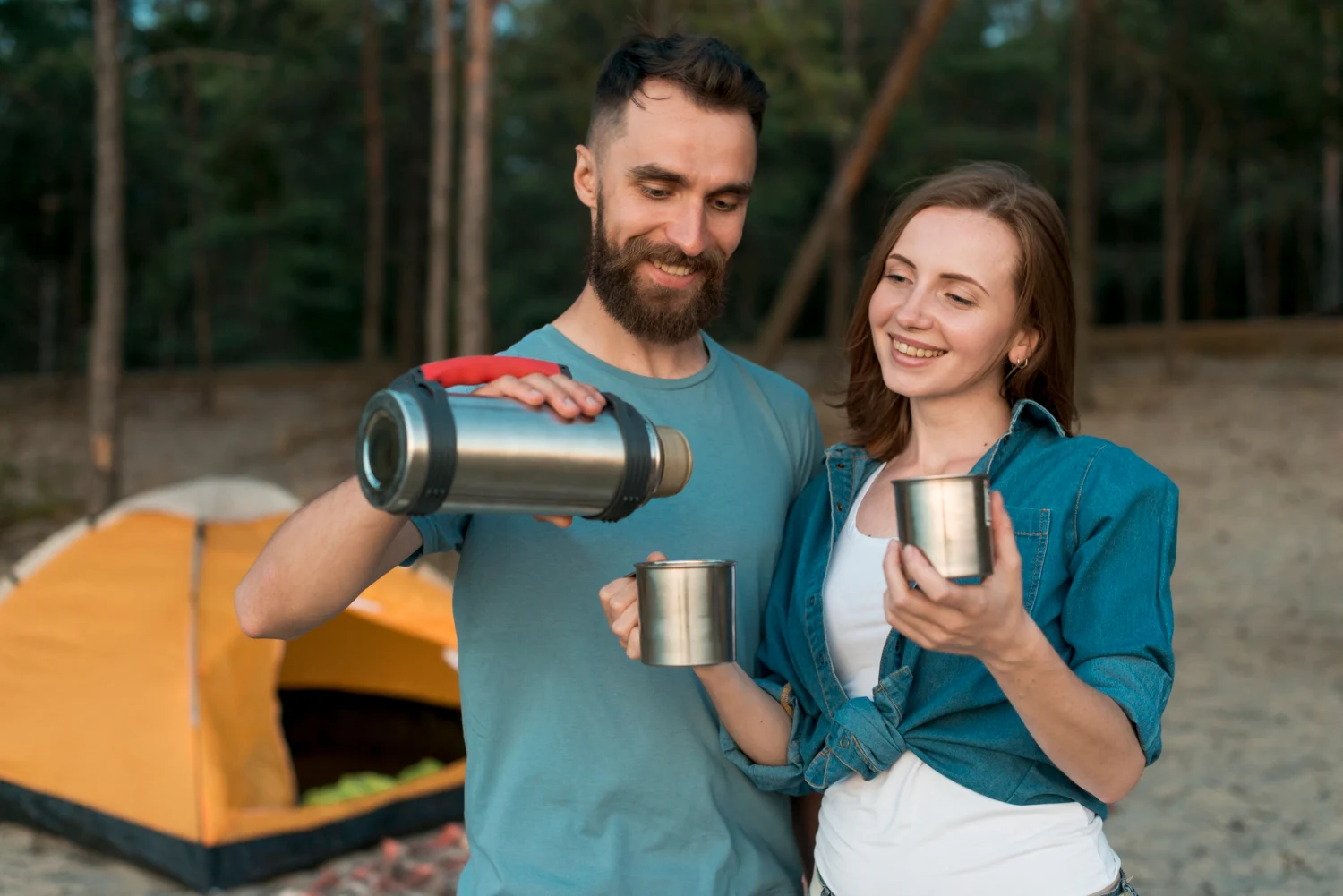
Have you ever woken up in a freezing tent and desperately wanted a hot cup of joe? I certainly have. First of all, nobody wants to drink bitter, instant sludge in the beautiful outdoors. Therefore, finding the best camping coffee makers changes everything.
Are you tired of packing bulky kitchen gear just to get a decent morning brew? You are definitely not alone. As a culinary expert, I know how vital a good morning cup is. Furthermore, you need reliable equipment that fits your specific travel style.
Today, we are diving deep into the world of portable brewers. As a result, I will show you exactly what works. I rigorously tested dozens of models in real-world conditions. Ultimately, we will upgrade your outdoor morning routine right now!
TL;DR: Quick Overview
- Best overall: Portable pour-over system for balanced flavor.
- Best non-electric: French press or classic percolator.
- Best backpacking: Ultralight silicone pour-over cone.
- Best RV: Compact electric drip or pod machine.
- Key factors: Always consider weight, durability, and brew quality.
Top Rated Outdoor Coffee Brewers
As a professional chef and gear tester, I take brewing seriously. I spent months evaluating the newest outdoor brewing systems. Consequently, I looked at extraction quality, material durability, and overall packability.
I checked how easily each device set up in windy, cold conditions. Furthermore, I examined the power requirements for every single unit. You must know if a device needs batteries, grid power, or just a campfire.
Here is my expertly curated list of the top 12 models. Each one serves a very specific type of outdoor adventurer.
Best Overall Choice
The stainless steel pour-over cone wins the top spot. It delivers incredible flavor without requiring paper filters. Additionally, it is practically indestructible in a backpack.
Best Portable Option
An all-in-one travel mug with a built-in plunger is amazing. You brew and drink from the exact same vessel. Therefore, you save precious space in your gear bag.
Best Backpacking Pick
For trail hikers, an ultralight foldable silicone dripper is essential. It weighs almost nothing and packs flat. Just add hot water for a perfect cup.
Best Cordless Solution
The rugged stainless steel French press is a wilderness classic. It needs no electricity and brews a rich, full-bodied cup. Furthermore, the metal body prevents accidental shattering.
Best Battery-Operated Unit
Some portable pod machines now run on rechargeable lithium-ion batteries. They heat the water and pump the shot automatically. Hence, you get cafe-quality espresso anywhere.
Best RV Machine
If you have generator power, a compact 4-cup drip maker is perfect. It uses low wattage to prevent tripping your vehicle’s breakers. It feels just like home.
Best Pour-Over Kit
A dedicated camp pour-over set with a matching gooseneck kettle offers ultimate control. You can groom the grounds perfectly. Consequently, you get a highly nuanced flavor profile.
Best Fire-Safe Percolator
The classic enamel percolator is built for direct campfire heat. It can boil water rapidly and serve a large group quickly. However, you must watch it closely to avoid bitterness.
Best Compact Espresso Tool
Manual pump espresso makers are incredible engineering feats. They use hand-generated pressure to pull rich crema. They are remarkably small and highly effective.
Best Budget Buy
A simple plastic filter cone costs less than ten dollars. It is lightweight, durable, and brews a very clean cup. It is a fantastic entry-level choice.
Best Premium Investment
Titanium brewing kits offer the ultimate strength-to-weight ratio. They are incredibly expensive but will literally last a lifetime. They are the top tier of outdoor gear.
Best Ultralight System
Cowboy-style brewing using just a pot and a fine mesh strainer. You carry zero extra brewing devices. You simply boil, steep, and strain.
Different Brewing Styles for the Wilderness (Buying Guide)
Understanding the different types of brewers is crucial for outdoor success. Each method requires a different technique and produces a distinct flavor. Let us break down the most popular styles in detail.
Camp-Ready Pour Over
The pour-over method is heavily favored by wilderness coffee snobs. First, it requires very little equipment to achieve a stellar cup. You basically just need a cone and a filter.
This method produces a very clean, bright flavor profile. The paper filter traps bitter oils and muddy sediment. As a result, you taste the true notes of the roasted bean.
However, it does have a slight drawback for wild environments. You must have a separate kettle to pour the hot water slowly. Pouring directly from a wide camping pot is messy.
Classic Fire-Safe Percolator
The percolator is the most iconic piece of wilderness cooking gear. It is incredibly durable and designed for extreme heat. You can set it right on glowing campfire coals.
This method works by constantly cycling boiling water up through the grounds. Therefore, it produces a very bold, robust, and piping hot cup. It is great for waking up a large group.
The main issue is the risk of over-extraction. If you leave it on the fire too long, the brew turns extremely bitter. You must monitor the clear glass knob carefully.
Rugged French Press
A camp-specific French press is a fantastic off-grid solution. Unlike glass home models, outdoor versions use double-walled stainless steel. This keeps your drink hot for hours.
The immersion brewing method extracts deep, earthy flavors from the beans. You do not need to carry any paper filters at all. This makes it an eco-friendly choice for nature lovers.
Clean-up can be slightly annoying in the woods, though. You have to scrape wet grounds out of the bottom. Remember to always pack out your trash responsibly.
Battery-Powered Brewers
Battery-operated machines bring modern convenience to the deep woods. They typically use rechargeable batteries to heat water and brew. They often accept standard pods for zero-mess brewing.
This is the closest you will get to a kitchen appliance outdoors. You simply press a button and wait for your drink. Similarly, they are very safe since there is no open flame.
The downside is definitely the weight and power limit. The heating element drains batteries very quickly. You might only get three or four cups per full charge.
Ultralight Trail Brewers
Backpacking brewers prioritize weight and size above everything else. These devices are usually made of titanium, silicone, or thin plastic. They are meant to be practically invisible in your pack.
Many hikers use collapsible designs that squish down to an inch thick. Others use specially designed fabric filters that weigh mere grams. Every ounce matters when you hike twenty miles a day.
Flavor can sometimes take a back seat to convenience here. However, pair an ultralight dripper with freshly ground beans, and it tastes amazing. It beats instant powder every single time.
Top Portable Brewers for On-the-Go
Portability is the biggest factor when packing your vehicle or bag. You need gear that withstands bumps, drops, and rough handling. Fragile glass carafes simply have no place in the woods.
Look for brewers made from food-grade stainless steel or BPA-free Tritan plastic. These materials resist impact and do not leach chemicals. Furthermore, they are very easy to rinse clean in a stream.
Compact size is equally important for portable gear. The best items nest inside your other cooking pots. This brilliant design strategy saves massive amounts of cargo space.
Leading Cordless Brewers for Nature
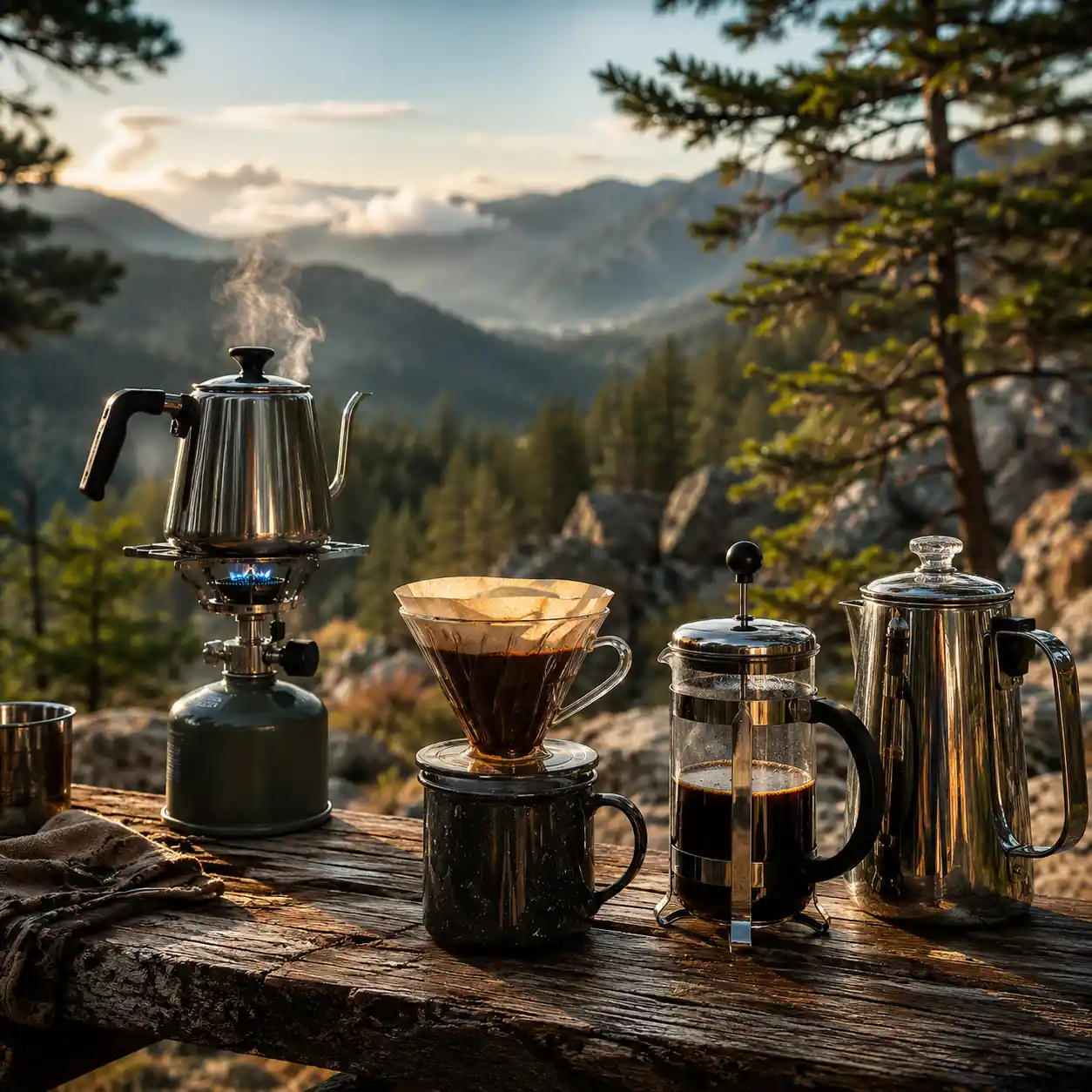
Non-electric brewers are the most reliable tools you can own. When you are fifty miles from a power outlet, simplicity saves the day. Manual brewers never suffer from dead batteries or fried circuit boards.
Pour-overs, manual presses, and percolators all fall into this category. They only require a heat source, like a portable gas stove. Therefore, they work flawlessly in rain, snow, or shine.
Choosing a cordless option gives you total off-grid freedom. You are not tethered to a campsite with electrical hookups. You can enjoy a fresh cup on any mountain peak.
Ideal Choices for Ultralight Backpackers
If you hike long distances, your gear must be meticulously chosen. Heavy items cause fatigue and make the journey miserable. Your brewing gear should ideally weigh less than 200 grams.
I highly recommend a collapsible silicone pour-over cone for this. It pairs perfectly with a tiny titanium boiling cup. You get a gourmet experience without the backache.
Alternatively, specialty instant alternatives have improved drastically. Some companies now make flash-frozen, high-quality instant packets. They weigh nothing and actually taste quite good in a pinch.
Top Machines for RV Life
RV campers have a completely different set of rules. You have shelter, storage space, and usually a power source. You can afford to bring a real appliance on the road.
A compact drip machine is highly recommended for motorhomes. Just ensure you check the appliance’s total wattage draw. Many RV inverters cannot handle a 1500-watt kitchen heater.
Pod machines are also incredibly popular for road trips. They secure nicely on a countertop and prevent messy spills while driving. They offer ultimate convenience for early highway mornings.
Off-Grid Wild Camping Solutions
Wild camping means you have zero facilities and zero amenities. You are completely self-reliant in the deep wilderness. Therefore, your gear must be completely fail-proof and durable.
A manual hand-pump espresso maker is surprisingly great here. It requires no electricity and uses hot water from your camp stove. You get a rich, creamy shot of espresso on a cliffside.
A rugged steel percolator is another perfect wild camping tool. It is virtually indestructible and doubles as a regular water boiler. It is the ultimate multi-tasking tool for survivalists.
Compact Grinders for Fresh Trails
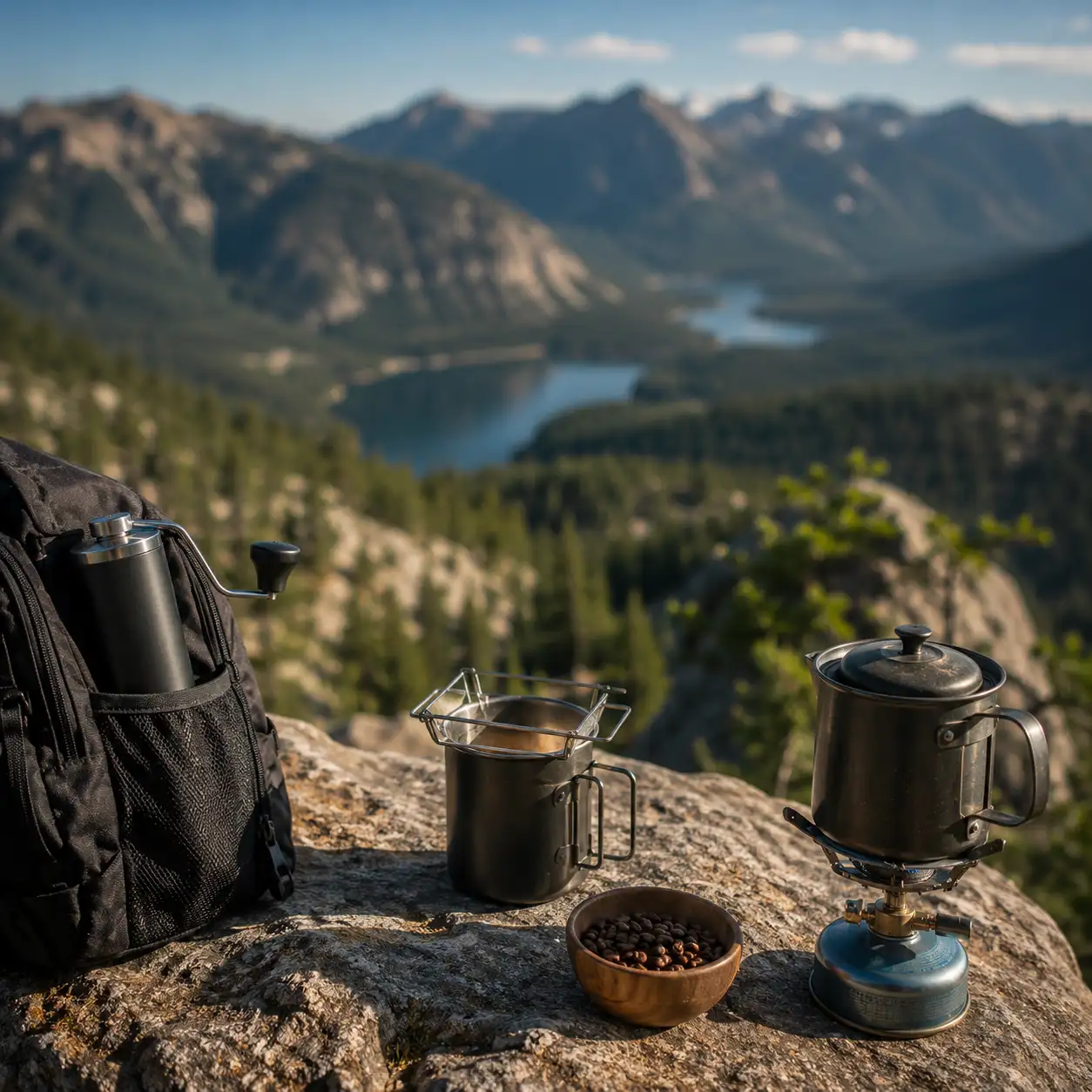
Pre-ground beans go stale very quickly in a humid backpack. If you want true cafe quality outdoors, you must grind fresh. A compact manual burr grinder is a game-changing addition.
Look for a hand grinder with a slim, cylindrical aluminum body. It should easily slide into the side pocket of your pack. Ceramic burrs offer the best consistency for a uniform extraction.
Yes, hand grinding takes a little elbow grease early in the morning. However, the aroma of freshly crushed beans in the forest is unmatched. It elevates your entire outdoor culinary experience.
Essential Features to Consider
When buying outdoor culinary gear, build quality is paramount. Always choose stainless steel, titanium, or rugged silicone over cheap plastics. They withstand the thermal shock of freezing mornings and boiling water.
Next, carefully evaluate the overall packability. Does the handle fold away flat? Can you store your beans inside the brewer to save space? Smart engineering makes a massive difference on the trail. Finally, think about the ease of cleaning. Water is often a precious resource at a campsite. You want a device with minimal moving parts that rinses clean instantly.
Quick Comparison Table
Here is a quick breakdown to help you decide. This table compares the most important metrics for outdoor brewing.
| Type | Weight | Power Needed | Best Used For |
| Pour-over | Very Light | None | Backpacking/Hiking |
| Percolator | Medium | Campfire | Group Camping |
| Battery Pod | Heavy | Lithium Battery | Car Camping/RV |
| Electric Drip | Heavy | AC Power | RV Sites |
Pros and Cons at a Glance
There are many amazing benefits to upgrading your outdoor setup. Most importantly, you get fresh, delicious coffee absolutely anywhere in the world. You also get a comforting, familiar routine in an unfamiliar place.
However, there are a few drawbacks to consider. Manual methods require more physical work and separate water-boiling steps. Furthermore, managing wet, used grounds in the wild can be messy.
You also have to carry extra water specifically for brewing. In dry climates, this adds significant weight to your daily carry. Always plan your water logistics carefully.
Crucial Mistakes to Avoid on the Trail
The biggest mistake beginners make is bringing heavy ceramic gear. A standard home French press will quickly shatter in a backpack. Always buy gear specifically engineered for outdoor impacts.
Another common error is ignoring your specific fuel needs. If you bring a manual brewer, do you have enough butane to boil water? Running out of stove fuel ruins the morning.
Finally, do not use cheap, stale beans in your new, expensive gear. High-quality equipment cannot fix low-quality ingredients. Invest in good, freshly roasted beans for your trip.
Professional Barista and Chef Advice
As a culinary professional, I always recommend a medium grind for camp brewing. It works perfectly for both pour-over and French press methods. It extracts evenly without creating excessive bitter sludge.
Always pre-measure your doses before you leave your house. Store the daily portions in small, airtight bags. This saves time and prevents you from fumbling with scales outside. Whenever possible, use filtered water for your brew. Hard stream water treated with iodine tablets will ruin the flavor entirely. Good water chemistry is the secret to a perfect cup.
Frequently Asked Questions
What is the best outdoor brewer for a beginner?
A simple, durable plastic pour-over cone is the best starting point. It is very cheap, practically unbreakable, and incredibly easy to use. Just add a paper filter and hot water.
Can you use a regular home machine in the woods?
You can only use a home machine if you have an RV. You need a dedicated AC power source or a heavy-duty generator. They will not work in a standard tent site.
What is the lightest option for long hikes?
An ultralight, collapsible silicone dripper is the best choice. Some models weigh less than two ounces and fold completely flat. Instant specialty powders are the only lighter alternative.
Are battery-powered espresso makers actually worth the money?
They are fantastic if you prioritize extreme convenience and love espresso. However, they are quite heavy and require frequent recharging. They are best suited for car camping, not hiking.
Which bean roast works best in the wilderness?
A medium roast provides the most balanced flavor for varying temperatures. Dark roasts can become overly bitter if your campfire water is too hot. Light roasts might taste too sour if under-extracted.
Conclusion
Finding the perfect camping coffee maker does not have to be frustrating. It all comes down to understanding your specific outdoor travel style. You must balance your desire for flavor with your capacity to carry gear.
For the vast majority of people, a robust pour-over system provides the best balance. It is lightweight, durable, and delivers a phenomenal cup of joe. If you have the luxury of an RV, a battery or electric option offers unbeatable convenience.
Never settle for terrible instant drinks just because you are sleeping in a tent. Upgrading your morning routine drastically improves your entire wilderness experience. It gives you the energy and comfort needed to tackle the trails.
Use the expert tips and methods we discussed today. Carefully select the right brewer, pack high-quality beans, and master your heating source. Now, go out there and brew something amazing in the wild!
Evidence-Based References
- Centers for Disease Control and Prevention (CDC) – Water Treatment Options When Hiking, Camping, or Traveling
- Harvard T.H. Chan School of Public Health – The Nutrition Source: Coffee
- National Coffee Association (NCA) – How to Brew Coffee
- U.S. Food and Drug Administration (FDA) – Handling Food Safely While Eating Outdoors