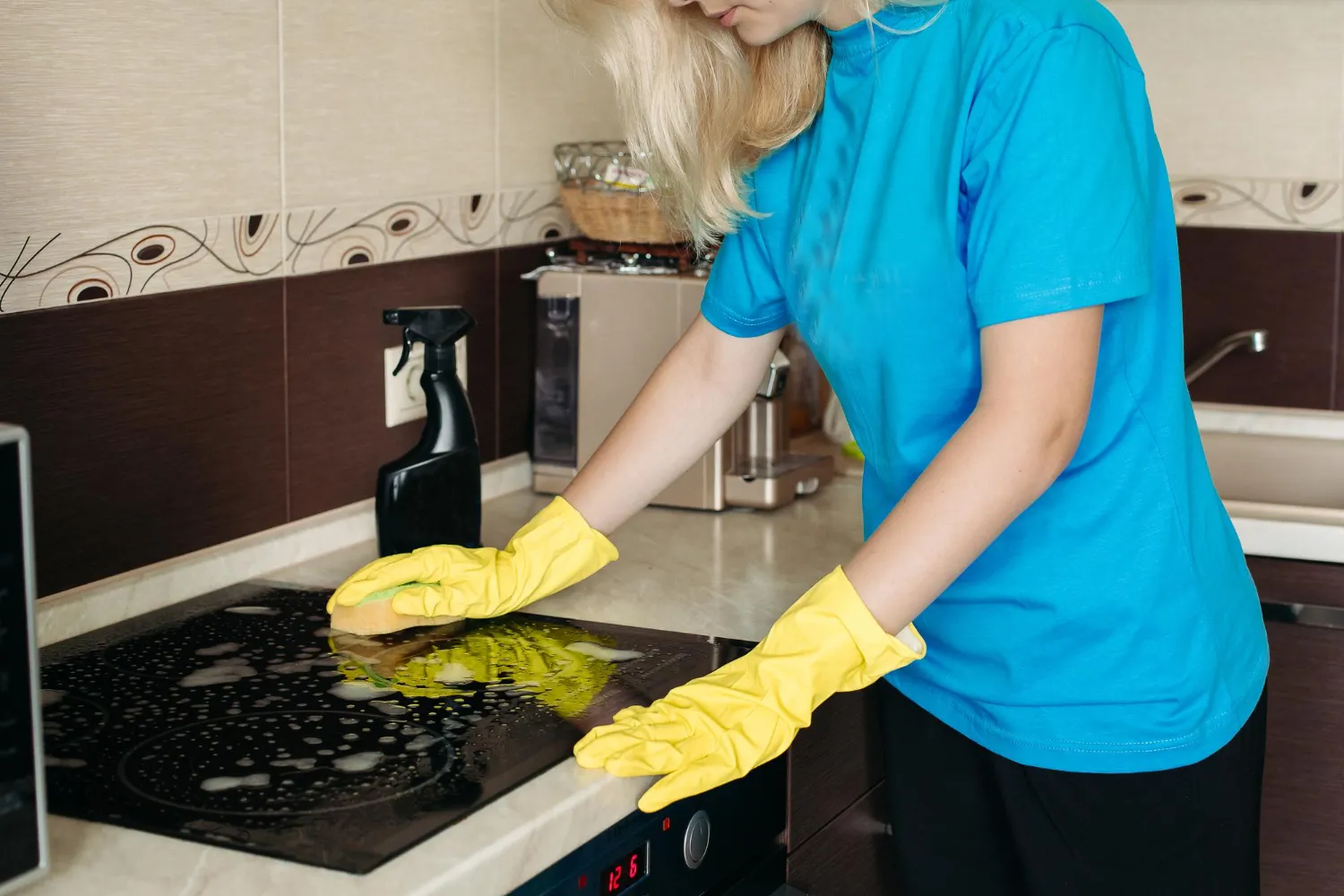
The best way to clean kitchen appliances is to use gentle degreasers, high-GSM microfiber cloths, and natural alkaline/acidic cleaners like baking soda and white vinegar. Always match your cleaning chemistry to the appliance material (stainless steel, black polymer, white enamel, or chrome). Regular cleaning prevents dangerous grease buildup, mitigates thermal overheating, and extends your appliance’s mechanical lifespan significantly.
Cleaning your culinary workspace is about more than just aesthetics; it is the foundation of kitchen safety and mechanical longevity. As an appliance engineering specialist and professional chef, I treat the kitchen as a precision workshop. If you don’t know how to clean kitchen appliances properly, you risk biofilm cross-contamination and catastrophic equipment failure.
During a recent appliance diagnostic service, a client complained of a malfunctioning range hood motor. We eventually traced it back to a severely neglected, greasy baffle filter that was choking the airflow and burning out the blower. A clean kitchen is literally a safer, more efficient kitchen.
In this guide, I will teach you how to clean kitchen appliances and equipment using professional, engineering-approved methods. We will cover everything from cutting through polymerized grease to protecting delicate stainless steel finishes. Are you ready to transform your cooking space into a sanitary, high-performing sanctuary?
Why Proper Cleaning of Kitchen Appliances Matters
Learning how to clean and maintain kitchen appliances is a vital skill for every homeowner and home cook. First, it prevents massive grease buildup. This is critical because accumulated, polymerized grease is a leading cause of localized house fires in the United States.
Second, rigorous regular maintenance extends the lifespan of your expensive machines. When refrigerator condenser coils or oven heating elements are clogged with thermal-insulating grime, they work harder, draw more amperage, and burn out faster. Clean machines run efficiently, saving you money on your electrical bill.
Finally, proper sanitation adheres to strict culinary hygiene standards. Pathogens like Salmonella and Listeria thrive in the compromised magnetic seals of refrigerators or on grimy tactile knobs. Keeping things professionally sanitized reduces cross-contamination risks.
What Is the Best Thing to Clean Kitchen Appliances With?
Many clients ask me, “What is the best thing to clean kitchen appliances with?” The answer rarely involves expensive, caustic commercial sprays. You do not need harsh chemicals to achieve professional-grade results.
I always recommend starting with high-quality, lint-free microfiber cloths. These are mechanically superior to paper towels because their microscopic split fibers trap dust, grease, and bacteria without scratching delicate clear coats. Next, keep pH-neutral dish soap (like Dawn), distilled white vinegar, and baking soda in your cleaning kit.
A non-abrasive sponge (e.g., Scotch-Brite Non-Scratch) is also essential for gentle scouring. From a food safety perspective, I strongly advise avoiding heavy artificial scents or caustic aerosol sprays. These leave toxic chemical residues on surfaces that frequently come into contact with your food.
How to Clean Kitchen Appliances Naturally
If you want to know how to clean kitchen appliances naturally, look no further than sodium bicarbonate (baking soda). It is a mild alkaline abrasive that is incredibly effective at breaking down acidic food stains and light grease without scratching enamel.
Start by mixing baking soda with a little warm water to create a thick, spreadable paste. Apply this paste directly to baked-on oven spills or greasy stovetop grates. Let it sit for at least 15 to 20 minutes to chemically lift the grime.
Afterward, simply wipe it away with a damp microfiber cloth. This method is 100% safe for food-contact surfaces and completely non-toxic. It is the culinary gold standard for healthy, effective home maintenance.
How to Clean Grease Off Kitchen Appliances
Grease is the ultimate enemy in any high-output kitchen. If you need to know how to clean grease off kitchen appliances, you must understand the chemistry: grease is hydrophobic (water-repelling). Plain hot water will simply push it around.
The most effective method for cleaning sticky grease off kitchen appliances is a warm water and surfactant solution (dish soap). Soap molecules are amphiphilic—they attach to grease on one end and water on the other, emulsifying the grime so it can be wiped away.
Spray the soapy solution onto the greasy area (like a range hood or microwave door) and let it dwell for five minutes. For heavily polymerized, sticky buildup, adding a splash of vinegar cuts through the lipid layer. Wipe in a firm, circular motion to lift the film.
How to Clean Stainless Steel Kitchen Appliances
Knowing how to clean stainless steel kitchen appliances is crucial because this porous metal is prone to streaks, fingerprints, and micro-scratches. Many homeowners accidentally damage the factory finish by using abrasive pads or bleach.
The golden rule of appliance engineering is to always wipe in the direction of the metal “grain.” Use a clean microfiber cloth and a dedicated stainless steel polish, or a simple 50/50 vinegar-water spray. This prevents unsightly smudges and maintains the deep luster.
If you are wondering how to remove brown spots from stainless steel appliances, these are often flash-rust or high-heat stains. A paste of baking soda and water, rubbed very gently parallel to the grain, usually removes them safely without stripping the chromium oxide layer.
How to Clean Black Kitchen Appliances
Many modern kitchens feature matte or glossy black finishes, which look architectural and sleek but show every hard-water spot. To learn how to clean black kitchen appliances, you must focus heavily on your drying technique.
Use a gentle soap solution to remove daily dirt. The absolute most important step is to buff the surface dry immediately with a clean, dry microfiber cloth. This prevents dissolved minerals from leaving chalky white streaks as the water evaporates.
Avoid using waxy cleaners, ammonia (Windex), or furniture polishes on black appliances. These products create a hazy buildup that eventually makes the dark surface look cloudy or permanently dull. Stick to simple, pH-neutral cleaners.
How to Clean White Kitchen Appliances
White appliances are notorious for yellowing over time due to UV exposure and airborne cooking oils. If you want to know how to clean white appliances and restore their brightness, you need a specialized two-step method.
First, use a baking soda paste to gently scour away surface stains and grease. If the plastic handles or enamel remain yellow, a spot treatment with a diluted hydrogen peroxide solution can help. It acts as a gentle, safe oxygen bleach.
For daily maintenance, a quick wipe with warm soapy water keeps airborne cooking grime from settling into the micro-texture of the handles. Keeping white surfaces pristine makes your entire kitchen look significantly brighter and larger.
How to Clean Chrome, Silver, and Metal Kitchen Appliances
Chrome and polished silver accents provide a high-end, commercial look, but tarnish and spot easily. To figure out how to clean chrome kitchen appliances, you should rely on the power of mild acidity.
A light, targeted spray of white vinegar works perfectly to dissolve hard water (calcium/magnesium) spots on metal. After spraying, use a dry microfiber cloth to aggressively buff the surface to a mirror finish. This works flawlessly for metal oven handles and refrigerator trim.
Always ensure the metal is completely dry after cleaning. Moisture left on raw silver or chrome can lead to pitting, oxidation, or permanent water spots.
How to Clean Plastic Kitchen Appliances
Plastic components are common in small countertop tools and internal refrigerator crisper bins. When learning how to clean plastic kitchen appliances, the primary engineering concern is avoiding thermal warping and chemical etching.
Use warm, soapy water and a soft cloth. Never use boiling water or run delicate plastic parts through a high-heat dishwasher sanitize cycle, as they can permanently warp or lose their airtight seal. Furthermore, avoid abrasive scouring pads that create microscopic scratches where dangerous foodborne bacteria can colonize.
If a plastic bin has a lingering odor (like onions or old cheese), soak it in a sink filled with water and a cup of baking soda for an hour. Air-dry the pieces completely.
How to Clean Small Kitchen Appliances
Small, motor-driven tools like blenders and heavy-duty heat appliances like toasters are often severely neglected. Understanding how to clean 7 small kitchen appliances is essential for preventing electrical fires and mold growth.
Blenders and Food Processors
The safest and easiest way to clean a blender is the “self-clean” method. Fill the pitcher halfway with warm water and one drop of dish soap. Run it on high for 30 seconds, then rinse thoroughly. This creates a vortex that cleans directly under the sharp blades where your fingers cannot safely reach.
Toasters and Ovens
Always unplug your toaster before cleaning to avoid lethal electrical shock. Pull out the bottom crumb tray and empty it. Use a small, dry pastry brush to gently knock loose any carbonized crumbs from the fragile quartz heating elements inside. Never stick metal utensils inside a toaster.
Coffee Machines
To keep your coffee tasting properly extracted and non-bitter, you must descale the internal aluminum heating element. Run a brew cycle with a 50/50 mix of white vinegar and water. Follow this immediately with two full cycles of plain, filtered water to flush out the acidic vinegar scent.
How to Clean Large Kitchen Appliances Like a Pro
Deep cleaning your large, stationary units requires a highly systematic approach. If you want to know how to clean large kitchen appliances like a pro, you must adopt a commercial kitchen “top-to-bottom, dry-to-wet” workflow.
Start with the refrigerator. Remove all food and shelving, then wash the interior with a baking soda solution to neutralize organic odors.
Next, move to the oven. Remove the grates and use a heavy-duty, fume-free degreaser (or the self-clean cycle, provided your ventilation is excellent). Finally, clean the dishwasher. Remove the cylindrical filter at the bottom of the tub and scrub it under hot water with a soft brush to remove trapped, rotting food particles that cause odors.
Deep Cleaning Kitchen Instructions
A true deep clean kitchen appliances session follows a strict order of operations to prevent re-contaminating previously cleaned surfaces. In culinary sanitation, we always move from top to bottom.
- Upper Cabinets: Dust the top crowns and wipe the grease off the front faces.
- Appliances: Clean the exteriors and deep-clean the interiors of your “Big Three” (Fridge, Range, Dishwasher).
- Countertops: Clear all small appliances off the counters and sanitize the entire stone or laminate surface.
- Sink: Deep clean the stainless or porcelain basin, and sanitize the garbage disposal gasket.
- Floors: Sweep all debris, then mop your way backward out of the room.
7 Steps of Cleaning a Kitchen
If you are overwhelmed by a messy kitchen, execute the 7 steps of cleaning a kitchen. This rigid framework ensures efficiency and keeps you focused on the task at hand.
- Declutter: Remove all items that don’t belong in the kitchen.
- Dust: Wipe down high areas, range hoods, and light fixtures.
- Appliance Wipe-Down: Clean the fascias of your appliances using the material-specific methods discussed above.
- Counter Sanitation: Scrub and sanitize your countertops and tile backsplash.
- Sink Deep Clean: Scour the sink, which harbors more bacteria than a bathroom.
- Trash Protocol: Empty the garbage and sanitize the interior of the bin.
- Floor Care: Vacuum or sweep, followed by a wet mop.
Smart Cleaning Rules You Should Follow
To keep your culinary space from deteriorating into a disaster zone, implement the 5 rules of smart cleaning. Professional kitchens rely on consistency rather than frantic, intense cleaning sprees.
- Rule 1: Wipe down high-touch tactile areas daily (fridge handles, oven knobs, faucet levers).
- Rule 2: Use the “3/30 Rule”: spend 3 minutes on a quick post-meal reset, or 30 minutes for a targeted deep task.
- Rule 3: Never close the kitchen for the night with a dirty sink.
- Rule 4: “Clean as you cook.” Wipe up splatters immediately before the heat polymerizes the grease onto the surface.
- Rule 5: Schedule a rotational weekly deep clean for one major appliance (e.g., Fridge on week 1, Oven on week 2).
Cleaning Kitchen Appliances Stains & Grime
Culinary stains can be incredibly stubborn, especially sugars and proteins that have been literally baked onto a surface. If you are struggling with how to clean grime off kitchen appliances, you need chemistry and patience, not aggressive elbow grease.
Apply a very warm, wet microfiber cloth directly to the baked-on grime and let it sit for ten minutes. This thermal action rehydrates the carbonized mess, making it vastly easier to wipe away safely. For hard water scale on metal water dispensers, a quick rub with a fresh lemon wedge works beautifully due to the natural citric acid.
Heavy oil stains require a concentrated surfactant. Apply neat (undiluted) dish soap directly to the stain and let it dwell. Never scrape an appliance with metal spatulas or knives, as this will permanently damage the protective enamel or stainless steel clear-coat.
Appliance Maintenance vs Service Contracts
While daily and deep cleaning are your responsibility, mechanical upkeep sometimes requires a certified technician. What is included in a kitchen appliance service contract usually goes beyond simple aesthetics, covering sealed system repairs, PCB board replacements, and motor failures.
Professional maintenance plans may include high-pressure coil cleaning for your refrigerator compressor or thermistor calibration for your oven. From an engineering cost-benefit analysis, a service contract is highly recommended for smart appliances and premium built-in brands.
However, if you strictly follow the cleaning protocols in this guide, you will drastically reduce your need for professional repairs. A clean machine is a durable machine. The vast majority of mechanical appliance failures are directly caused by motors and compressors overheating due to suffocating dust, pet hair, and grease buildup.
Why Cleaning Performance Matters
When comparing different brands, you should consider how easy they are to clean. Some “fingerprint-resistant” stainless steel finishes are much better than others for busy families.
Black stainless steel is beautiful but can be harder to touch up if scratched. Enamel-coated appliances are very durable but can chip if hit with a heavy pot. Choose a finish that matches your lifestyle and cleaning habits.
Frequently Asked Questions
What is the best way to clean kitchen appliances?
The most effective and safe method is using a combination of pH-neutral dish soap for grease emulsification and baking soda for gentle abrasive stain removal, always applied with a non-scratch microfiber cloth.
How often should kitchen appliances be cleaned?
Exteriors and high-touch handles should be wiped down daily. A comprehensive deep clean of the interior of large appliances (especially refrigerators) must happen at least once every three months to adhere to basic food safety standards.
Can vinegar damage appliances?
Yes, if used recklessly. Undiluted white vinegar is highly acidic (acetic acid) and can dry out or degrade rubber door gaskets and permanently etch natural stone countertops. Always dilute it and keep it away from rubber seals.
What removes grease the fastest?
A dedicated degreasing dish soap (like Dawn Heavy Duty) mixed with very warm water is the fastest, safest way to break the lipid bonds of kitchen grease without resorting to toxic, flammable solvents.
How do professionals deep-clean kitchens?
Professional culinary and sanitation crews utilize a strict top-to-bottom, dry-to-wet approach. They start at the highest points (vents, upper cabinets) and work down to the floor, ensuring dust and dirty water never contaminate a surface that has already been sanitized.
Conclusion
Mastering how to clean kitchen appliances is one of the most impactful skills you can develop for your home’s functionality and safety. By utilizing smart, natural chemistry and a systematic, engineering-based approach, you protect your expensive equipment from premature failure and your family from foodborne illness.
A pristine kitchen isn’t just about magazine-ready appearances—it’s about engineering a safe, highly efficient, and inspiring workspace for your culinary creations. Start by degreasing one appliance today and experience the professional difference.